Product Description
HC-L005 Medical Oilless piston dental unit 1 for 2 air compressor
Product features:
| Usage | Dental hospital or clinic |
| Type | Oil free piston air compressor 1for 4 dental unit |
| Standard with | Air filter, oil filter, fuel filter |
Product picture:
| Applicable Departments: | Oral Surgery |
|---|---|
| Certification: | ISO |
| Type: | Dental Auxiliary Materials |
| Material: | Iron |
| Surface Treatment: | Stainless Coat |
| Noise: | 56-65dB |
.webp)
Can air compressors be used for cleaning and blowing dust?
Yes, air compressors can be effectively used for cleaning and blowing dust in various applications. Here’s how air compressors are utilized for these purposes:
1. Cleaning Machinery and Equipment:
Air compressors are commonly used for cleaning machinery and equipment in industries such as manufacturing, automotive, and construction. Compressed air is directed through a nozzle or blowgun attachment to blow away dust, debris, and other contaminants from surfaces, crevices, and hard-to-reach areas. The high-pressure air effectively dislodges and removes accumulated dust, helping to maintain equipment performance and cleanliness.
2. Dusting Surfaces:
Air compressors are also employed for dusting surfaces in various settings, including homes, offices, and workshops. The compressed air can be used to blow dust off furniture, shelves, electronic equipment, and other objects. It provides a quick and efficient method of dusting, especially for intricate or delicate items where traditional dusting methods may be challenging.
3. Cleaning HVAC Systems:
Air compressors are utilized for cleaning HVAC (Heating, Ventilation, and Air Conditioning) systems. The compressed air can be used to blow dust, dirt, and debris from air ducts, vents, and cooling coils. This helps improve the efficiency and air quality of HVAC systems, preventing the buildup of contaminants that can affect indoor air quality.
4. Blowing Dust in Workshops:
In workshops and garages, air compressors are often used to blow dust and debris from workbenches, power tools, and work areas. Compressed air is directed to blow away loose particles and maintain a clean and safe work environment. This is particularly useful in woodworking, metalworking, and other trades where dust and debris can accumulate during the manufacturing or fabrication processes.
5. Cleaning Electronics and Computer Equipment:
Air compressors are employed for cleaning electronics and computer equipment. The compressed air is used to blow dust and debris from keyboards, computer cases, circuit boards, and other electronic components. It helps in preventing overheating and maintaining the proper functioning of sensitive electronic devices.
6. Industrial Cleaning Applications:
Air compressors find extensive use in industrial cleaning applications. They are employed in industrial settings, such as factories and warehouses, for cleaning large surfaces, production lines, and equipment. Compressed air is directed through specialized cleaning attachments or air-operated cleaning systems to remove dust, dirt, and contaminants efficiently.
When using air compressors for cleaning and blowing dust, it is important to follow safety precautions and guidelines. The high-pressure air can cause injury if directed towards the body or sensitive equipment. It is advisable to wear appropriate personal protective equipment, such as safety glasses and gloves, and ensure that the air pressure is regulated to prevent excessive force.
Overall, air compressors provide a versatile and effective solution for cleaning and blowing dust in various applications, offering a convenient alternative to traditional cleaning methods.
.webp)
Can air compressors be integrated into automated systems?
Yes, air compressors can be integrated into automated systems, providing a reliable and versatile source of compressed air for various applications. Here’s a detailed explanation of how air compressors can be integrated into automated systems:
Pneumatic Automation:
Air compressors are commonly used in pneumatic automation systems, where compressed air is utilized to power and control automated machinery and equipment. Pneumatic systems rely on the controlled release of compressed air to generate linear or rotational motion, actuating valves, cylinders, and other pneumatic components. By integrating an air compressor into the system, a continuous supply of compressed air is available to power the automation process.
Control and Regulation:
In automated systems, air compressors are often connected to a control and regulation system to manage the compressed air supply. This system includes components such as pressure regulators, valves, and sensors to monitor and adjust the air pressure, flow, and distribution. The control system ensures that the air compressor operates within the desired parameters and provides the appropriate amount of compressed air to different parts of the automated system as needed.
Sequential Operations:
Integration of air compressors into automated systems enables sequential operations to be carried out efficiently. Compressed air can be used to control the timing and sequencing of different pneumatic components, ensuring that the automated system performs tasks in the desired order and with precise timing. This is particularly useful in manufacturing and assembly processes where precise coordination of pneumatic actuators is required.
Energy Efficiency:
Air compressors can contribute to energy-efficient automation systems. By incorporating energy-saving features such as Variable Speed Drive (VSD) technology, air compressors can adjust their power output according to the demand, reducing energy consumption during periods of low activity. Additionally, efficient control and regulation systems help optimize the use of compressed air, minimizing waste and improving overall energy efficiency.
Monitoring and Diagnostics:
Integration of air compressors into automated systems often includes monitoring and diagnostic capabilities. Sensors and monitoring devices can be installed to collect data on parameters such as air pressure, temperature, and system performance. This information can be used for real-time monitoring, preventive maintenance, and troubleshooting, ensuring the reliable operation of the automated system.
When integrating air compressors into automated systems, it is crucial to consider factors such as the specific requirements of the automation process, the desired air pressure and volume, and the compatibility of the compressor with the control and regulation system. Consulting with experts in automation and compressed air systems can help in designing an efficient and reliable integration.
In summary, air compressors can be seamlessly integrated into automated systems, providing the necessary compressed air to power and control pneumatic components, enabling sequential operations, and contributing to energy-efficient automation processes.
.webp)
What is the difference between a piston and rotary screw compressor?
Piston compressors and rotary screw compressors are two common types of air compressors with distinct differences in their design and operation. Here’s a detailed explanation of the differences between these two compressor types:
1. Operating Principle:
- Piston Compressors: Piston compressors, also known as reciprocating compressors, use one or more pistons driven by a crankshaft to compress air. The piston moves up and down within a cylinder, creating a vacuum during the intake stroke and compressing the air during the compression stroke.
- Rotary Screw Compressors: Rotary screw compressors utilize two intermeshing screws (rotors) to compress air. As the male and female screws rotate, the air is trapped between them and gradually compressed as it moves along the screw threads.
2. Compression Method:
- Piston Compressors: Piston compressors achieve compression through a positive displacement process. The air is drawn into the cylinder and compressed as the piston moves back and forth. The compression is intermittent, occurring in discrete cycles.
- Rotary Screw Compressors: Rotary screw compressors also employ a positive displacement method. The compression is continuous as the rotating screws create a continuous flow of air and compress it gradually as it moves along the screw threads.
3. Efficiency:
- Piston Compressors: Piston compressors are known for their high efficiency at lower flow rates and higher pressures. They are well-suited for applications that require intermittent or variable air demand.
- Rotary Screw Compressors: Rotary screw compressors are highly efficient for continuous operation and are designed to handle higher flow rates. They are often used in applications with a constant or steady air demand.
4. Noise Level:
- Piston Compressors: Piston compressors tend to generate more noise during operation due to the reciprocating motion of the pistons and valves.
- Rotary Screw Compressors: Rotary screw compressors are generally quieter in operation compared to piston compressors. The smooth rotation of the screws contributes to reduced noise levels.
5. Maintenance:
- Piston Compressors: Piston compressors typically require more frequent maintenance due to the higher number of moving parts, such as pistons, valves, and rings.
- Rotary Screw Compressors: Rotary screw compressors have fewer moving parts, resulting in lower maintenance requirements. They often have longer service intervals and can operate continuously for extended periods without significant maintenance.
6. Size and Portability:
- Piston Compressors: Piston compressors are available in both smaller portable models and larger stationary units. Portable piston compressors are commonly used in construction, automotive, and DIY applications.
- Rotary Screw Compressors: Rotary screw compressors are typically larger and more suitable for stationary installations in industrial and commercial settings. They are less commonly used in portable applications.
These are some of the key differences between piston compressors and rotary screw compressors. The choice between the two depends on factors such as required flow rate, pressure, duty cycle, efficiency, noise level, maintenance needs, and specific application requirements.


editor by CX 2023-10-05
China Best Sales Dental Equipment Dental 60L Oil Free Air Compressor (ST-3EW) with Best Sales
Product Description
L Dental Air Compressor (ST-EW Series)
Specifications
ST-1EW
– Supply voltage: a.c.220 V, 50 Hz
– Electric current: 2.4 A
– Power: 545 VA
– Air flow: 70 L/min
– Star pressure: 0.5 MPa
– Capacity discharge: 0.8 MPa
– Noise level: 55 dB(A)
– Air container volume: 32 L
– Weight: 28 kg
– Dimensions (H*W*D): 460*460*690 mm (carton)
ST-2EW
– Supply voltage: a.c.220 V, 50 Hz
– Electric current: 3.7 A
– Power: 840 VA
– Air flow: 105 L/min
– Star pressure: 0.5 MPa
– Capacity discharge: 0.8 MPa
– Noise level: 58 dB(A)
– Air container volume: 38 L
– Weight: 30 kg
– Dimensions (H*W*D): 460*460*710 mm (carton)
ST-3EW
– Supply voltage: a.c.220 V, 50 Hz
– Electric current: 4.8 A
– Power: 1090 VA
– Air flow: 140 L/min
– Star pressure: 0.5 MPa
– Capacity discharge: 0.8 MPa
– Noise level: 65 dB(A)
– Air container volume: 60 L
– Weight: 66 kg
– Dimensions (H*W*D): 900*440*770 mm (wooden box)
Our Factory
Packaging & Delivery
Contact Us
| Certification: | ISO, CE |
|---|---|
| Product Name: | Dental Air Compressor |
| Supply Voltage: | AC 220V 50Hz |
| Star Pressure: | 0.5MPa |
| Air Container Volume: | 60L |
| Air Flow: | 140 L/Min |
| Samples: |
US$ 450/Piece
1 Piece(Min.Order) | |
|---|
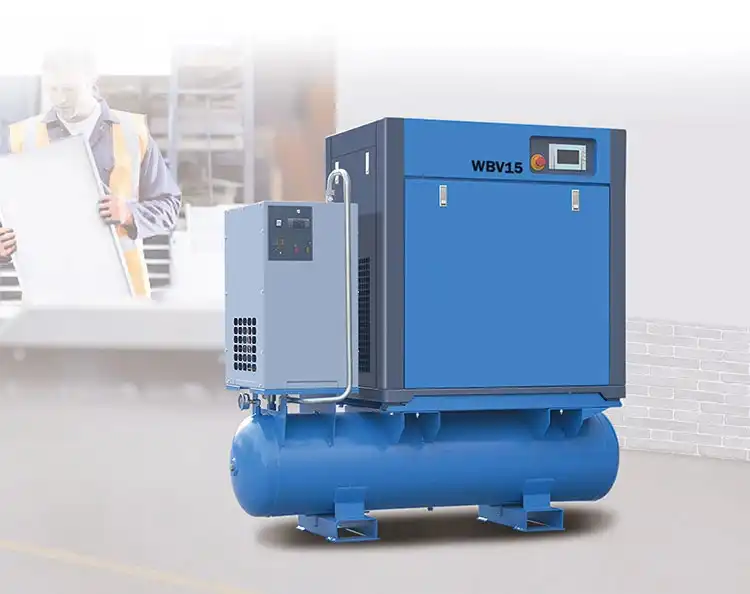
what to see in an air compressor
If you need to buy an air compressor, you should know what to look for. The types of air compressors on the market are classified according to their CFM rating, safety devices, and pumps. There are several differences between lubricated and oil-free air compressors that you should know before buying. To better understand the difference between these types of air compressors, read on. This article will guide you through these differences.
Pump
If you are looking for a quality air compressor, you have come to the right place. A good air compressor pump will provide high pressure for anything from tires to boats and more. There are hundreds of different models to choose from, and the great thing about buying one from a Chinese manufacturer is that they have so many options. More importantly, Chinese manufacturers can customize air equipment such as air compressors at low prices.
A good quality air pump won’t break easily, but you’ll be able to use it for years. Choosing a high-quality pump will help you avoid many hassles on the road, such as unplanned downtime and installation costs. Plus, a pump from the same manufacturer as your air compressor is your best bet to ensure optimum performance. Listed below are some tips for finding a quality pump for your air compressor.
The air compressor is an important but unremarkable invention. Without them, our lives would be completely different. Without a pump, we can’t get hot water from central heating, nor can we get heat from the refrigerator. We can’t inflate bicycle tires, and we can’t refuel cars. Pumps are vital to all kinds of machines. So why is it important to choose the right product? The answer may surprise you.
Different types of pumps are used for different applications. Positive displacement pumps move a fixed volume of fluid and direct it to a drain. This design ensures constant flow at a constant speed regardless of discharge pressure. Centrifugal pumps work differently. The impeller accelerates the fluid, converting the input energy into kinetic energy. This type of pump is most commonly used in mines, air conditioning, industrial plants, and flood control.
safety equipment
There are several safety features you should check when using an air compressor. First, check the connection of the air filter to the air. If they come loose, parts may separate and cause injury. Another important safety feature is the shut-off valve. When working near compressed air, the shut-off valve should be within easy reach and visibility. Moving parts and other equipment must be protected with protective covers. Check safety valve and replace damaged parts.
Rupture discs are copper discs located on the air cooler. When the air pressure exceeds a certain limit, it bursts. Fusible plugs contain materials that melt at high temperatures. The compressor should have a lubricating oil pressure alarm and cut off the trip signal. If these two safety devices fail, the compressor should be stopped immediately. The rupture disc should be inspected at least weekly to ensure it does not rupture under pressure.
If the pressure level is too high, and overcurrent protection device cuts power to the motor. It also automatically shuts off the compressor when the hose ruptures or the air volume exceeds a preset level. The device should be installed on the air compressor to prevent accidents. Its job is to protect the operator from harm. If employees do not follow these safety measures, they may cause equipment damage.
To ensure safety when operating the air compressor, safety glasses and gloves should be worn. Pressurized air can cause eye injury, and crash goggles can provide a barrier to prevent this. Additionally, the self-retracting cord prevents trip hazards and reinforces excess cord. You should also keep your hands and body away from the air nozzle. This will prevent you from being sprayed with compressed air.
CFM Rating
An air compressor’s PSI and CFM ratings indicate the pressure and volume it can deliver. PSI stands for pounds per square inch and measures the force and pressure contained in one square inch of air. These two indicators are equally important when choosing an air compressor. If you need a lot of compressed air for a specific application, you will need a higher psi compressor. Likewise, if you are using compressed air in a smaller application, a low cfm compressor will not provide enough power to meet your needs.
When comparing different air compressors, be sure to pay close attention to horsepower and CFM ratings. While compressor power is essential for some tasks, it is not the most important aspect. The CFM rating of an air compressor will determine how big a project it can handle and how long it takes to charge. Make sure you understand the CFM and PSI ratings of your future compressors, as not knowing these important statistics can frustrate you and drive up costs.
In general, it is best to choose an air compressor with a CFM rating higher than the size of the air tool. This will ensure that the air compressor has enough pressure to work multiple tools efficiently at the same time. While smaller CFM ratings may be sufficient for smaller projects, larger tools such as drills require a lot of air. Therefore, the higher the CFM, the larger and more powerful the tool.
Once you understand the CFM of an air compressor, you can start looking for the right tool. You can check the CFM rating of your air compressor online by commenting below. If you’re not sure about the size of your air tool, you can always buy a second air compressor. This is a great way to double the CFM of your air compressor! You’ll have more air to do more work, and your compressor will last longer.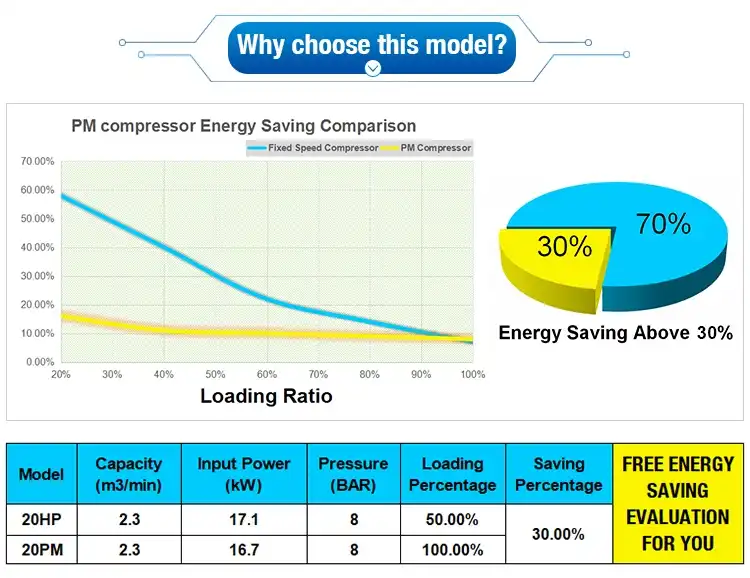
Lack of oil and lubrication
Oil-free air compressors have a smaller footprint and require less maintenance than oil-lubricated air compressors. Although oil-lubricated air compressors are more expensive and heavier than oil-free air compressors, they are also ideal for stationary use. The benefits of oil-free air compressors include greater durability and lower maintenance costs. The advantages and disadvantages of each type are discussed below.
Oil-free air compressors are generally quieter than oil-lubricated air compressors. However, you may still experience some noise while using it. To avoid this, you should choose a quiet intake compressor. However, if you work next to a noisy compressor, you should buy a muffler, an aftermarket filter that reduces compressor noise.
If you want to use the air compressor for a long time, the oil-free model is not the right choice. Its Teflon coating wears off over time, especially at extreme temperatures. Additionally, oil-free air compressors have a large number of moving parts that require regular maintenance, while oil-filled air compressors are great for those who don’t want to invest in extra parts.
Another major difference between oil-free and oil-lubricated air compressors is lubrication. Oil-lubricated air compressors require regular lubrication whereas oil-free air compressors are pre-lubricated. They have fewer parts and are cheaper. Oil-free air compressors are lighter than oil-lubricated air compressors. In addition to being more affordable, oil-free air compressors are more powerful and durable.
While oil-filled air compressors are more efficient and durable, they generate a lot of heat. However, they are also more expensive and require regular oil changes. Furthermore, they are difficult to transport. They also need to be permanently installed. These air compressors are also not portable and require a fixed location. So, consider your needs before deciding which type is best for you. When you’re choosing an air compressor for your business, be sure to shop around.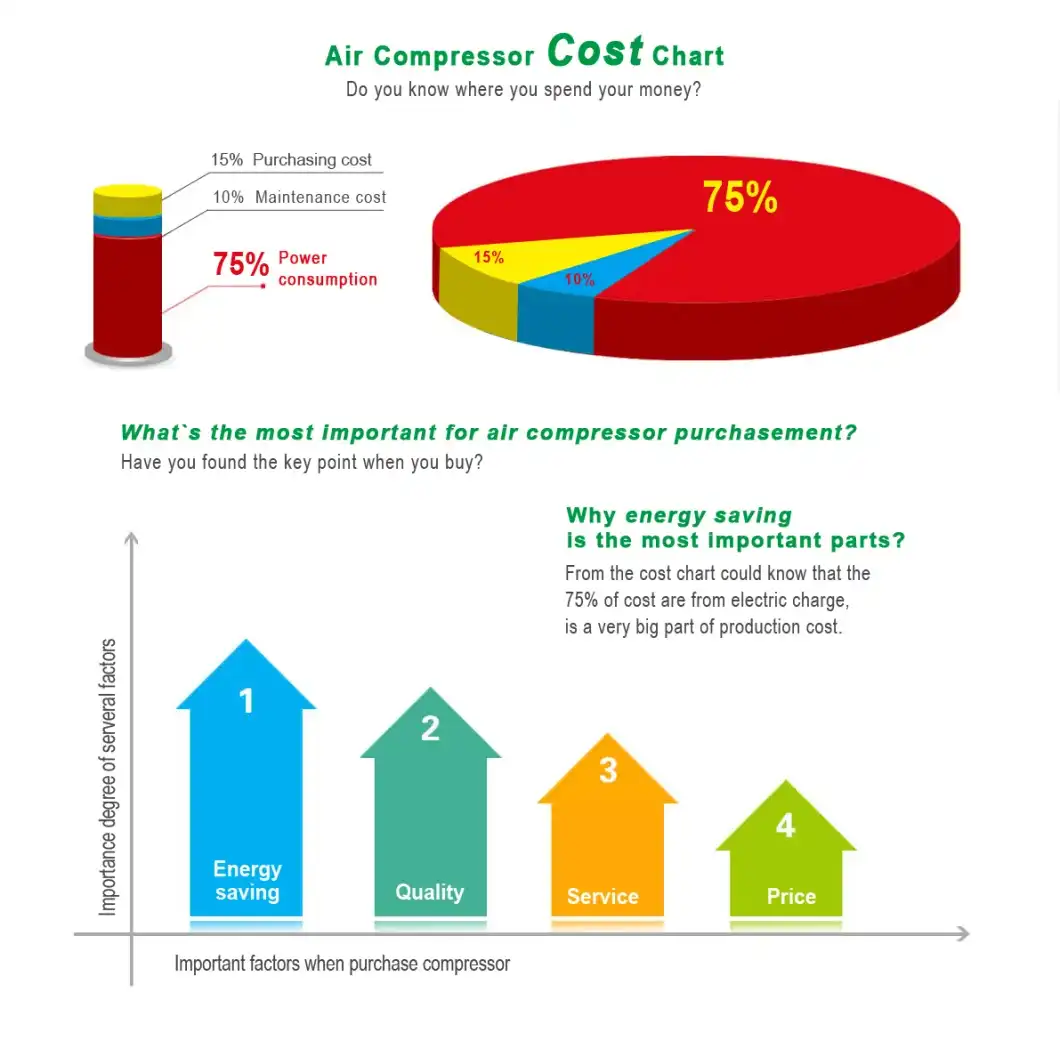
noise level
If you are wondering what the noise level of an air compressor is, the answer depends on your specific equipment and working environment conditions. Typically, air compressors produce 40 to 90 decibels of noise. Although the lower the decibel level, the quieter the compressor will be. Larger, more powerful air compressors produce higher noise levels than their little brothers. But no matter how big the air compressors are, it’s a good idea to wear hearing protection while working around them.
When purchasing a new air compressor, the noise level of the air compressor should be considered. While this may seem like a small problem, there are actually a lot of variations on these noisy machines. The most common type of air compressor is the reciprocating piston pump. This model uses pistons similar to an engine to rotate inside a chamber. The piston moves quickly and traps air proportional to its size. Single-piston air compressors are generally noisier than twin-piston models, also known as twin cylinders.
But even if you have the proper equipment to protect your hearing, it’s still important to know the noise level of an air compressor. Even if the noise is not immediately dangerous, it can still cause temporary or permanent hearing loss. This condition is called noise-induced hearing loss, and an air compressor with a sound level of 80 or higher can cause permanent hearing damage. You can avoid potential damage to your hearing and prevent accidents by simply paying attention to the noise level of your air compressor.
Air compressors are inherently noisy, but if you take steps to reduce their noise levels, you can minimize disruption to neighbors and co-workers. For example, installing a sound enclosure in your work area can prevent your air compressor from making as much noise as before. Depending on your workspace, you can also try installing a long air hose, which will reduce sound levels by up to 25%.
editor by CX 2023-05-26