Product Description
Bison Direct Reciprocating 24L 6.3Gal 1.5Hp 8Bar kompressor Piston Air Compressor
| Tank volume | 120L/31.7Gal |
| Volt | 230V/50Hz |
| Power | 3Kw |
| Output power | 4.0Hp |
| Speed | 950Rpm |
| Noise | 79dB |
| Displacement | 420L/min |
| Work pressure | 8Bar |
| Weight | 85Kg |
| Size | 1280*500*880mm |
Product Advantage
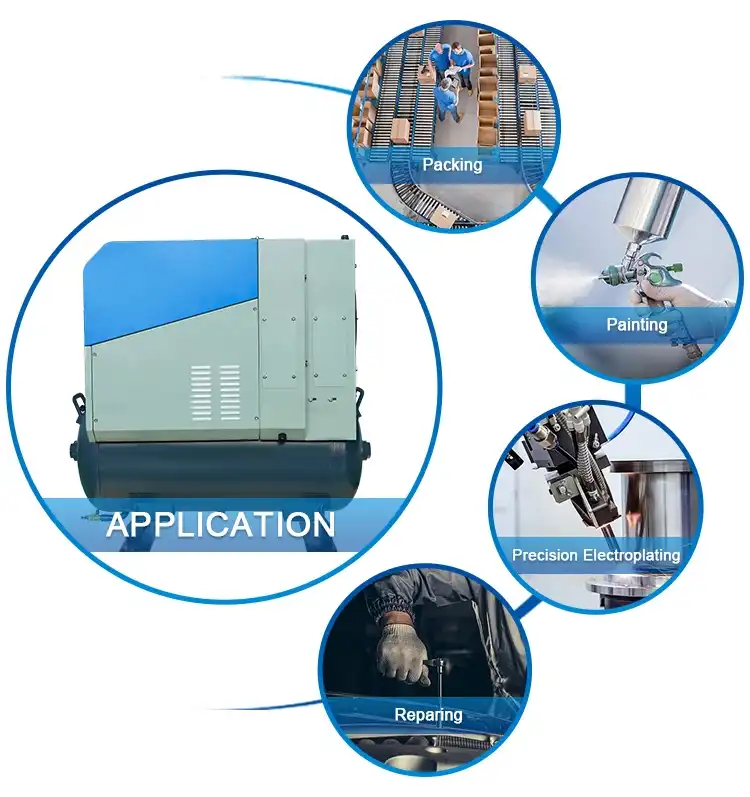
Application
Packaging & Shipping
Company Profile
Certifications
Exhibition
FAQ
| Lubrication Style: | Lubricated |
|---|---|
| Cylinder Position: | Horizontal |
| Compress Level: | Single-Stage |
| Displacement: | 135L/Min |
| Noise: | 85dB |
| Weight: | 20kg |
| Samples: |
US$ 95/Piece
1 Piece(Min.Order) | |
|---|
| Customization: |
Available
|
|
|---|
.webp)
What is the role of air compressors in power generation?
Air compressors play a significant role in power generation, supporting various operations and equipment within the industry. Here are some key roles of air compressors in power generation:
1. Combustion Air Supply:
Air compressors are used to supply compressed air for the combustion process in power generation. In fossil fuel power plants, such as coal-fired or natural gas power plants, compressed air is required to deliver a steady flow of air to the burners. The compressed air helps in the efficient combustion of fuel, enhancing the overall performance and energy output of the power plant.
2. Instrumentation and Control:
Air compressors are utilized for instrumentation and control systems in power generation facilities. Compressed air is used to operate pneumatic control valves, actuators, and other pneumatic devices that regulate the flow of steam, water, and gases within the power plant. The reliable and precise control provided by compressed air ensures efficient and safe operation of various processes and equipment.
3. Cooling and Ventilation:
In power generation, air compressors are involved in cooling and ventilation applications. Compressed air is used to drive air-operated cooling fans and blowers, providing adequate airflow for cooling critical components such as generators, transformers, and power electronics. The compressed air also assists in maintaining proper ventilation in control rooms, substations, and other enclosed spaces, helping to dissipate heat and ensure a comfortable working environment.
4. Cleaning and Maintenance:
Air compressors are employed for cleaning and maintenance tasks in power generation facilities. Compressed air is utilized to blow away dust, dirt, and debris from equipment, machinery, and electrical panels. It helps in maintaining the cleanliness and optimal performance of various components, reducing the risk of equipment failure and improving overall reliability.
5. Pneumatic Tools and Equipment:
In power generation plants, air compressors provide the necessary compressed air for operating pneumatic tools and equipment. These tools include impact wrenches, pneumatic drills, grinders, and sandblasting equipment, which are utilized for installation, maintenance, and repair tasks. The high-pressure air generated by compressors enables efficient and reliable operation of these tools, enhancing productivity and reducing manual effort.
6. Nitrogen Generation:
Sometimes, air compressors are used in power generation for nitrogen generation. Compressed air is passed through a nitrogen generator system, which separates nitrogen from other components of air, producing a high-purity nitrogen gas stream. Nitrogen is commonly used in power plant applications, such as purging systems, blanketing in transformers, and generator cooling, due to its inert properties and low moisture content.
7. Start-up and Emergency Systems:
Air compressors are an integral part of start-up and emergency systems in power generation. Compressed air is utilized to power pneumatic starters for gas turbines, providing the initial rotation needed to start the turbine. In emergency situations, compressed air is also used to actuate emergency shutdown valves, safety systems, and fire suppression equipment, ensuring the safe operation and protection of the power plant.
Overall, air compressors contribute to the efficient and reliable operation of power generation facilities, supporting combustion processes, control systems, cooling, cleaning, and various other applications critical to the power generation industry.
.webp)
What is the impact of altitude on air compressor performance?
The altitude at which an air compressor operates can have a significant impact on its performance. Here are the key factors affected by altitude:
1. Decreased Air Density:
As altitude increases, the air density decreases. This means there is less oxygen available per unit volume of air. Since air compressors rely on the intake of atmospheric air for compression, the reduced air density at higher altitudes can lead to a decrease in compressor performance.
2. Reduced Airflow:
The decrease in air density at higher altitudes results in reduced airflow. This can affect the cooling capacity of the compressor, as lower airflow hampers the dissipation of heat generated during compression. Inadequate cooling can lead to increased operating temperatures and potential overheating of the compressor.
3. Decreased Power Output:
Lower air density at higher altitudes also affects the power output of the compressor. The reduced oxygen content in the air can result in incomplete combustion, leading to decreased power generation. As a result, the compressor may deliver lower airflow and pressure than its rated capacity.
4. Extended Compression Cycle:
At higher altitudes, the air compressor needs to work harder to compress the thinner air. This can lead to an extended compression cycle, as the compressor may require more time to reach the desired pressure levels. The longer compression cycle can affect the overall efficiency and productivity of the compressor.
5. Pressure Adjustments:
When operating an air compressor at higher altitudes, it may be necessary to adjust the pressure settings. As the ambient air pressure decreases with altitude, the compressor’s pressure gauge may need to be recalibrated to maintain the desired pressure output. Failing to make these adjustments can result in underinflated tires, improper tool performance, or other issues.
6. Compressor Design:
Some air compressors are specifically designed to handle higher altitudes. These models may incorporate features such as larger intake filters, more robust cooling systems, and adjusted compression ratios to compensate for the reduced air density and maintain optimal performance.
7. Maintenance Considerations:
Operating an air compressor at higher altitudes may require additional maintenance and monitoring. It is important to regularly check and clean the intake filters to ensure proper airflow. Monitoring the compressor’s operating temperature and making any necessary adjustments or repairs is also crucial to prevent overheating and maintain efficient performance.
When using an air compressor at higher altitudes, it is advisable to consult the manufacturer’s guidelines and recommendations specific to altitude operations. Following these guidelines and considering the impact of altitude on air compressor performance will help ensure safe and efficient operation.
.webp)
Can air compressors be used for automotive applications?
Yes, air compressors can be used for various automotive applications and are commonly found in automotive repair shops, garages, and even in some vehicles. Here are some automotive applications where air compressors are frequently utilized:
1. Tire Inflation: Air compressors are commonly used to inflate tires in automotive applications. They provide a convenient and efficient way to inflate tires to the recommended pressure, ensuring optimal tire performance, fuel efficiency, and safety.
2. Air Tools: Air compressors power a wide range of pneumatic tools used in automotive repair and maintenance. These tools include impact wrenches, ratchet wrenches, air hammers, pneumatic drills, and sanders. Air-powered tools are favored for their high torque and power-to-weight ratio, making them suitable for heavy-duty automotive tasks.
3. Spray Painting: Air compressors are commonly used in automotive painting applications. They power airbrushes and spray guns that are used to apply paint, primer, and clear coats. Air compressors provide the necessary air pressure to atomize the paint and deliver a smooth and even finish.
4. Brake System Maintenance: Air compressors play a crucial role in maintaining and diagnosing automotive brake systems. They are used to pressurize the brake lines, allowing for proper bleeding of the system and detection of leaks or faults.
5. Suspension Systems: Some automotive suspension systems, such as air suspensions, rely on air compressors to maintain the desired air pressure in the suspension components. The compressor inflates or deflates the suspension as needed to provide a comfortable ride and optimal handling.
6. Cleaning and Dusting: Air compressors are used for cleaning automotive parts, blowing away dust and debris, and drying surfaces. They provide a high-pressure stream of air that effectively cleans hard-to-reach areas.
7. Air Conditioning Systems: Air compressors are a key component in automotive air conditioning systems. They compress and circulate refrigerant, allowing the system to cool and dehumidify the air inside the vehicle.
When using air compressors for automotive applications, it’s important to consider the specific requirements of the task at hand. Ensure that the air compressor has the necessary pressure and capacity to meet the demands of the application. Additionally, use appropriate air hoses, fittings, and tools that are compatible with the compressor’s output.
Overall, air compressors are versatile and valuable tools in the automotive industry, providing efficient power sources for a wide range of applications, from tire inflation to powering pneumatic tools and supporting various automotive systems.


editor by CX 2023-10-08
China supplier CHINAMFG Industrial Quality 8bar 50L/1300W Oil Free Portable Piston Air Compressor Reciprocating Compressor for Factory&Industial Workshop for Russian Market best air compressor
Product Description
Overview:
______________________________________________________________________________________________________________________
Essential Details:
ZheJiang CHINAMFG Industry Co., Ltd established on Nov, 2013, is a professional power tool supplier from China, which has always been committed to OEM & ODM with R&D of manufacturing enterprises to international power tools market. POPULUS is our registered brand, including wide range of power tools, bench tools, air tools, welding machine, high presure washers, garden tools, and power tools accessories etc.
Product Information:
| Brand Name: | POPULUS | Air Pressure: | 8Bar/0.8MPA |
| Model of Number: | MX1204 | Motor Type: | Brush Motor |
| Grade: | Industrial | Power Source: | AC Electric |
| Customized Support: | OEM, ODM | Voltage: | 220-240 V |
| Application: | Professional / Home Use | Frequency: | 50/60 Hz |
| Keyword: | Industrial Demolition Hammer | Input Power: | 1300W |
| Warranty: | 1 Year | No-Load Speed: | 2800rpm |
| Feature: | Anti-vibration function | Speed Type: | Variable Speed |
| Protection Class: | II | Max. Displacement: | 175L/min |
| Certification: | GS, CE EMC, EMI, SGS, TUV, ROHS | Dimensions: | 70.5*32.5*63.5cm |
| Weight: | 28.0Kg/piece |
Supply Ability:
Supply Ability : 30000 Unit/Units per Month
Packaging & Delivery:
Packaging Details: Color Box, Blown Carton, 70.5*32.5*63.5cmcm, 28Kg/Carton
Export Port: HangZhou, HangZhou, ZheJiang
Lead time:
| Quantity(pieces) | 1 – 50 | > 50 |
| Lead time(days) | 7 | To be negotiated |
Detailed Photos:
About Us
______________________________________________________________________________________________________________________
ZheJiang CHINAMFG Industry Co., Ltd established on Nov, 2013, is a professional power tool supplier from China, which has always been committed to OEM & ODM with R&D of manufacturing enterprises to international power tools market. Maxin Industry owns 2 brands, MAXIN and POPULUS, mainly promote POPULUS brand products. It has a wide range of products, reasonable prices, credit, contract compliance, product quality assurance, and a variety of business modes. It has entered the international market with medium and high-end quality positioning. At present, it has nearly 300 customers from 60 countries in the world. Stability, efficiency and innovation have become the new label of CHINAMFG power tools series. High efficient and better customer experience has been the goal of CHINAMFG Power Tool brand. Persistence in perfection in each tool will become the cornerstone of the enterprise. We are looking CHINAMFG to communication and sharing with you in field of power tools. You are welcome to inquire.
Profession is our specialty, quality is our priority, and service is our value.
POPULUS Provides our partners with wide range of professional power tool products. Our products include but are not limited to power tools, garden tools, air tools, high pressure washers and accessories for the tools. POPULUS Products have been meticulously selected from various high-quality products. Their high quality has been verified in multiple professional markets abroad for many years, and highly praised by vast professional users.
High Quality with Competitive Price
We have been devoted to hardware industry for 16 years, winning the great trust and strong support from various customers all over the world and combined with our strong financial strength and large -scale purchase volume, we are able to provide the partners of POPULUS With professional products of best cost performance.
Factory
We have own Lab test room which can check the quality of product from mass production. From the purchaseing spare parts to the final products, every step we have professional QA team to check the quality. Not only the appearance design, we do lots of endurance test, function test, EMC/EMI test, integration test before the mass production. Most of POPULUS products have CE/GS/EMC/EMI/ROHS certification. Some item we get the ETL certification.
Professional QA and QC department will test the product function and performance strictly before delivery.
Quality Management
Powerful quality management team strictly follows high-standard quality control process and pre-delivery product inspection standard, so as to ensure the high degree of satisfaction from our partners in the quality of POPULUS Products.
Fast Delivery
We will always be prepared for shipment whenever you request. Three major export ports (HangZhou ,HangZhou and ZheJiang ) and full line of SKU products are prepared for you around the clock, enabling you to capture business opportunities easily.
Warehouse
Over 7500m2 warehouse, wide range of quality tools, ready stock for rapid delivery, MOQ 1 carton deliver in 7 days.
Exhibition
Providing innovative solutions for 300+ customer from 60+ countries all over the world. We are looking CHINAMFG to communication and sharing with you in field of power tools. You are welcome to inquire.
Certifications
FAQ
______________________________________________________________________________________________________________________
| After-sales Service: | Online Support |
|---|---|
| Warranty: | 1 Year |
| Lubrication Style: | Oil-free |
| Cooling System: | Air Cooling |
| Cylinder Arrangement: | Parallel Arrangement |
| Cylinder Position: | Vertical |
| Samples: |
US$ 100/Piece
1 Piece(Min.Order) | |
|---|
| Customization: |
Available
|
|
|---|
.webp)
What are the differences between stationary and portable air compressors?
Stationary and portable air compressors are two common types of air compressors with distinct features and applications. Here are the key differences between them:
1. Mobility:
The primary difference between stationary and portable air compressors is their mobility. Stationary air compressors are designed to be permanently installed in a fixed location, such as a workshop or a factory. They are typically larger, heavier, and not easily movable. On the other hand, portable air compressors are smaller, lighter, and equipped with handles or wheels for easy transportation. They can be moved from one location to another, making them suitable for jobsites, construction sites, and other mobile applications.
2. Power Source:
Another difference lies in the power source used by stationary and portable air compressors. Stationary compressors are usually powered by electricity, as they are designed for continuous operation in a fixed location with access to power outlets. They are connected to the electrical grid or have dedicated wiring. In contrast, portable compressors are available in various power options, including electric, gasoline, and diesel engines. This versatility allows them to operate in remote areas or sites without readily available electricity.
3. Tank Capacity:
Tank capacity is also a distinguishing factor between stationary and portable air compressors. Stationary compressors often have larger storage tanks to store compressed air for extended periods. The larger tanks enable them to deliver a continuous and steady supply of compressed air for longer durations without the need for frequent cycling. Portable compressors, due to their compact size and portability, generally have smaller tank capacities, which may be sufficient for intermittent or smaller-scale applications.
4. Performance and Output:
The performance and output capabilities of stationary and portable air compressors can vary. Stationary compressors are typically designed for high-volume applications that require a consistent and continuous supply of compressed air. They often have higher horsepower ratings, larger motor sizes, and higher air delivery capacities. Portable compressors, while generally offering lower horsepower and air delivery compared to their stationary counterparts, are still capable of delivering sufficient air for a range of applications, including pneumatic tools, inflation tasks, and light-duty air-powered equipment.
5. Noise Level:
Noise level is an important consideration when comparing stationary and portable air compressors. Stationary compressors, being larger and built for industrial or commercial settings, are often equipped with noise-reducing features such as sound insulation and vibration dampening. They are designed to operate at lower noise levels, which is crucial for maintaining a comfortable working environment. Portable compressors, while efforts are made to reduce noise, may produce higher noise levels due to their compact size and portability.
6. Price and Cost:
Stationary and portable air compressors also differ in terms of price and cost. Stationary compressors are generally more expensive due to their larger size, higher power output, and industrial-grade construction. They often require professional installation and may involve additional costs such as electrical wiring and system setup. Portable compressors, being smaller and more versatile, tend to have a lower upfront cost. They are suitable for individual users, contractors, and small businesses with budget constraints or flexible air supply needs.
When selecting between stationary and portable air compressors, it is essential to consider the specific requirements of the intended application, such as mobility, power source availability, air demands, and noise considerations. Understanding these differences will help in choosing the appropriate type of air compressor for the intended use.
.webp)
Can air compressors be used for medical and dental applications?
Yes, air compressors can be used for various medical and dental applications. Compressed air is a reliable and versatile utility in healthcare settings, providing power for numerous devices and procedures. Here are some common applications of air compressors in medical and dental fields:
1. Dental Tools:
Air compressors power a wide range of dental tools and equipment, such as dental handpieces, air syringes, air scalers, and air abrasion devices. These tools rely on compressed air to generate the necessary force and airflow for effective dental procedures.
2. Medical Devices:
Compressed air is used in various medical devices and equipment. For example, ventilators and anesthesia machines utilize compressed air to deliver oxygen and other gases to patients. Nebulizers, used for respiratory treatments, also rely on compressed air to convert liquid medications into a fine mist for inhalation.
3. Laboratory Applications:
Air compressors are used in medical and dental laboratories for various purposes. They power laboratory instruments, such as air-driven centrifuges and sample preparation equipment. Compressed air is also used for pneumatic controls and automation systems in lab equipment.
4. Surgical Tools:
In surgical settings, compressed air is employed to power specialized surgical tools. High-speed air-driven surgical drills, saws, and bone-cutting instruments are commonly used in orthopedic and maxillofacial procedures. Compressed air ensures precise control and efficiency during surgical interventions.
5. Sterilization and Autoclaves:
Compressed air is essential for operating sterilization equipment and autoclaves. Autoclaves use steam generated by compressed air to sterilize medical instruments, equipment, and supplies. The pressurized steam provides effective disinfection and ensures compliance with rigorous hygiene standards.
6. Dental Air Compressors:
Specialized dental air compressors are designed specifically for dental applications. These compressors have features such as moisture separators, filters, and noise reduction mechanisms to meet the specific requirements of dental practices.
7. Air Quality Standards:
In medical and dental applications, maintaining air quality is crucial. Compressed air used in healthcare settings must meet specific purity standards. This often requires the use of air treatment systems, such as filters, dryers, and condensate management, to ensure the removal of contaminants and moisture.
8. Compliance and Regulations:
Medical and dental facilities must comply with applicable regulations and guidelines regarding the use of compressed air. These regulations may include requirements for air quality, maintenance and testing procedures, and documentation of system performance.
It is important to note that medical and dental applications have specific requirements and standards. Therefore, it is essential to choose air compressors and associated equipment that meet the necessary specifications and comply with industry regulations.
.webp)
How does an air compressor work?
An air compressor works by using mechanical energy to compress and pressurize air, which is then stored and used for various applications. Here’s a detailed explanation of how an air compressor operates:
1. Air Intake: The air compressor draws in ambient air through an intake valve or filter. The air may pass through a series of filters to remove contaminants such as dust, dirt, and moisture, ensuring the compressed air is clean and suitable for its intended use.
2. Compression: The intake air enters a compression chamber, typically consisting of one or more pistons or a rotating screw mechanism. As the piston moves or the screw rotates, the volume of the compression chamber decreases, causing the air to be compressed. This compression process increases the pressure and reduces the volume of the air.
3. Pressure Build-Up: The compressed air is discharged into a storage tank or receiver where it is held at a high pressure. The tank allows the compressed air to be stored for later use and helps to maintain a consistent supply of compressed air, even during periods of high demand.
4. Pressure Regulation: Air compressors often have a pressure regulator that controls the output pressure of the compressed air. This allows the user to adjust the pressure according to the requirements of the specific application. The pressure regulator ensures that the compressed air is delivered at the desired pressure level.
5. Release and Use: When compressed air is needed, it is released from the storage tank or receiver through an outlet valve or connection. The compressed air can then be directed to the desired application, such as pneumatic tools, air-operated machinery, or other pneumatic systems.
6. Continued Operation: The air compressor continues to operate as long as there is a demand for compressed air. When the pressure in the storage tank drops below a certain level, the compressor automatically starts again to replenish the compressed air supply.
Additionally, air compressors may include various components such as pressure gauges, safety valves, lubrication systems, and cooling mechanisms to ensure efficient and reliable operation.
In summary, an air compressor works by drawing in air, compressing it to increase its pressure, storing the compressed air, regulating the output pressure, and releasing it for use in various applications. This process allows for the generation of a continuous supply of compressed air for a wide range of industrial, commercial, and personal uses.
editor by CX 2023-10-07
China supplier Air End Laser Cutting Air Compressor with Dryer and Tank (SCR10CPM) wholesaler
Product Description
Product Description
| Model | SCR10CPM-7 | SCR10CPM-8 | SCR10CPM-10 | |
| Capacity/Pressure(m3/min,/BAR) | 1.15/7 | 1.1/8 | 0.95/10 | |
| Motor | Power(KW) | 7.5KW(10H.P) | ||
| Speed(r/min) | 1200/3000 | 1200/3000 | 1400/2600 | |
| Motor type | Oil Cooling PM Motor | |||
| Volt(V) | 380/400/415(220) | |||
| Motor safety grade | IP65 | |||
| Motor isolation grade | F | |||
| Electrical Supply | 380(400,415)V/50Hz/3Phase, 220V/60HZ/3P | |||
| Outlet Temperature(ºC) | ≤ Environment Temperature+10ºC | |||
| Driven way | Direct Driven | |||
| Noise level at 1 meter | 67±3dB(A) | |||
| Cooling method | Aircooled | |||
| Oil content | ≤0.1 | |||
| Outlet Connection | Rc 1/2 | |||
| Dimension | Length(mm) | 1720 | ||
| Width(mm) | 605 | |||
| Height(mm) | 1260 | |||
| Weight(KG) | 290 | |||
Product Features
1.Taper connection,no bearing and free maintenance of motor.
2.IP65 protection PM motor.
3.Intergrated PTC proctection for PM motor.
4.High quality PM motor.
5.High reliable PM motor supplier.
6.High efficiency airend.
7.Latest V/F inverter.
8.Easy maintenance.
9.All in 1 design.
Product Categories
Advantages
Application
About SCR
In addition,we have exported our products to more than 55 countries including in UK, USA, Spain etc. since 2008. And we have also established long-term relationship with our partner depend on our high quality products.
Besides, about the annual output,we can manufacture near 7,000 units compressors per year, and around 30% are sold to oversea market.
FAQ
|
1 What trade terms do we provide? What kind of settlement currency do we offer? |
|
Trade term :CIF ,CFR ,FOB,Ex-Works |
|
2 How long is our delivery? |
|
Our standard delivery time is 30-40 days after confirmation order & receiving recipets for standard compressors, for the other non standard requirement will be discussed case by case. |
|
3 What is the voltage of the compressor? |
|
The available voltage include 380V/50HZ/3Phase, 400V/50HZ/3P, 415V/50HZ/3P, 220V/60HZ/3P, 380V/60HZ/3P, 440V/60HZ/3P. At the same time we provide other voltage according to customer requirement. |
|
4 Can our compressor run in high temperature environment? What is the working temperature range for our machine? |
|
Yes ,our machine would run in high temperature environment ,until now our products have been sold to many countries which would meet high temperature in summer ,such like Iraq, Saudi Arabia, Egypt, Algeria, etc. |
|
5 What’s the min. Order requirement ? |
|
Min. Order requirement is 1PCS. |
Contact us
Company Name: ZheJiang CHINAMFG Co., Ltd
Contact Person: Vincent Sun
If you are interested in any of our products,please feel free to contact us.We are looking CHINAMFG to cooperating,growing and developing with your sincerely.
| Lubrication Style: | Lubricated |
|---|---|
| Cooling System: | Air Cooling |
| Power Source: | AC Power |
| Cylinder Position: | Vertical |
| Structure Type: | Closed Type |
| Installation Type: | Stationary Type |
| Customization: |
Available
|
|
|---|
.webp)
How are air compressors used in the food and beverage industry?
Air compressors play a vital role in the food and beverage industry, providing a reliable source of compressed air for various applications. Here are some common uses of air compressors in this industry:
1. Packaging and Filling:
Air compressors are extensively used in packaging and filling operations in the food and beverage industry. Compressed air is utilized to power pneumatic systems that control the movement and operation of packaging machinery, such as filling machines, capping machines, labeling equipment, and sealing devices. The precise and controlled delivery of compressed air ensures accurate and efficient packaging of products.
2. Cleaning and Sanitization:
Air compressors are employed for cleaning and sanitization purposes in food and beverage processing facilities. Compressed air is used to operate air-powered cleaning equipment, such as air blowguns, air-operated vacuum systems, and air knives. It helps remove debris, dust, and contaminants from production lines, equipment, and hard-to-reach areas. Additionally, compressed air is used for drying surfaces after cleaning and for applying sanitizing agents.
3. Cooling and Refrigeration:
In the food and beverage industry, air compressors are utilized in cooling and refrigeration systems. Compressed air is used to drive air compressors in refrigeration units, enabling the circulation of refrigerants and maintaining optimal temperatures for food storage and preservation. The controlled airflow provided by the compressors facilitates efficient cooling and refrigeration processes.
4. Aeration and Mixing:
Air compressors are used for aeration and mixing applications in the food and beverage industry. Compressed air is introduced into processes such as fermentation, dough mixing, and wastewater treatment. It helps in promoting oxygen transfer, enhancing microbial activity, and facilitating proper mixing of ingredients or substances, contributing to the desired quality and consistency of food and beverage products.
5. Pneumatic Conveying:
In food processing plants, air compressors are employed for pneumatic conveying systems. Compressed air is used to transport bulk materials such as grains, powders, and ingredients through pipes or tubes. It enables the gentle and efficient movement of materials without the need for mechanical conveyors, reducing the risk of product damage or contamination.
6. Quality Control and Testing:
Air compressors are utilized in quality control and testing processes within the food and beverage industry. Compressed air is used for leak testing of packaging materials, containers, and seals to ensure product integrity. It is also employed for spraying air or gases during sensory analysis and flavor testing.
7. Air Agitation:
In certain food and beverage production processes, air compressors are used for air agitation. Compressed air is introduced into tanks, mixing vessels, or fermentation tanks to create turbulence and promote mixing or chemical reactions. It aids in achieving consistent product quality and uniform distribution of ingredients or additives.
It is important to note that air compressors used in the food and beverage industry must meet strict hygiene and safety standards. They may require specific filtration systems, oil-free operation, and compliance with food safety regulations to prevent contamination or product spoilage.
By utilizing air compressors effectively, the food and beverage industry can benefit from improved productivity, enhanced product quality, and efficient processing operations.
Can air compressors be integrated into automated systems?
Yes, air compressors can be integrated into automated systems, providing a reliable and versatile source of compressed air for various applications. Here’s a detailed explanation of how air compressors can be integrated into automated systems:
Pneumatic Automation:
Air compressors are commonly used in pneumatic automation systems, where compressed air is utilized to power and control automated machinery and equipment. Pneumatic systems rely on the controlled release of compressed air to generate linear or rotational motion, actuating valves, cylinders, and other pneumatic components. By integrating an air compressor into the system, a continuous supply of compressed air is available to power the automation process.
Control and Regulation:
In automated systems, air compressors are often connected to a control and regulation system to manage the compressed air supply. This system includes components such as pressure regulators, valves, and sensors to monitor and adjust the air pressure, flow, and distribution. The control system ensures that the air compressor operates within the desired parameters and provides the appropriate amount of compressed air to different parts of the automated system as needed.
Sequential Operations:
Integration of air compressors into automated systems enables sequential operations to be carried out efficiently. Compressed air can be used to control the timing and sequencing of different pneumatic components, ensuring that the automated system performs tasks in the desired order and with precise timing. This is particularly useful in manufacturing and assembly processes where precise coordination of pneumatic actuators is required.
Energy Efficiency:
Air compressors can contribute to energy-efficient automation systems. By incorporating energy-saving features such as Variable Speed Drive (VSD) technology, air compressors can adjust their power output according to the demand, reducing energy consumption during periods of low activity. Additionally, efficient control and regulation systems help optimize the use of compressed air, minimizing waste and improving overall energy efficiency.
Monitoring and Diagnostics:
Integration of air compressors into automated systems often includes monitoring and diagnostic capabilities. Sensors and monitoring devices can be installed to collect data on parameters such as air pressure, temperature, and system performance. This information can be used for real-time monitoring, preventive maintenance, and troubleshooting, ensuring the reliable operation of the automated system.
When integrating air compressors into automated systems, it is crucial to consider factors such as the specific requirements of the automation process, the desired air pressure and volume, and the compatibility of the compressor with the control and regulation system. Consulting with experts in automation and compressed air systems can help in designing an efficient and reliable integration.
In summary, air compressors can be seamlessly integrated into automated systems, providing the necessary compressed air to power and control pneumatic components, enabling sequential operations, and contributing to energy-efficient automation processes.
.webp)
Can you explain the basics of air compressor terminology?
Understanding the basic terminology related to air compressors can help in better comprehension of their operation and discussions related to them. Here are some essential terms related to air compressors:
1. CFM (Cubic Feet per Minute): CFM is a unit of measurement that denotes the volumetric flow rate of compressed air. It indicates the amount of air a compressor can deliver within a minute and is a crucial factor in determining the compressor’s capacity.
2. PSI (Pounds per Square Inch): PSI is a unit of measurement used to quantify pressure. It represents the force exerted by the compressed air on a specific area. PSI is a vital specification for understanding the pressure capabilities of an air compressor and determining its suitability for various applications.
3. Duty Cycle: Duty cycle refers to the percentage of time an air compressor can operate in a given time period. It indicates the compressor’s ability to handle continuous operation without overheating or experiencing performance issues. For instance, a compressor with a 50% duty cycle can run for half the time in a given hour or cycle.
4. Horsepower (HP): Horsepower is a unit used to measure the power output of a compressor motor. It indicates the motor’s capacity to drive the compressor pump and is often used as a reference for comparing different compressor models.
5. Receiver Tank: The receiver tank, also known as an air tank, is a storage vessel that holds the compressed air delivered by the compressor. It helps in stabilizing pressure fluctuations, allowing for a more consistent supply of compressed air during peak demand periods.
6. Single-Stage vs. Two-Stage: These terms refer to the number of compression stages in a reciprocating air compressor. In a single-stage compressor, air is compressed in a single stroke of the piston, while in a two-stage compressor, it undergoes initial compression in one stage and further compression in a second stage, resulting in higher pressures.
7. Oil-Free vs. Oil-Lubricated: These terms describe the lubrication method used in air compressors. Oil-free compressors have internal components that do not require oil lubrication, making them suitable for applications where oil contamination is a concern. Oil-lubricated compressors use oil for lubrication, enhancing durability and performance but requiring regular oil changes and maintenance.
8. Pressure Switch: A pressure switch is an electrical component that automatically starts and stops the compressor motor based on the pre-set pressure levels. It helps maintain the desired pressure range in the receiver tank and protects the compressor from over-pressurization.
9. Regulator: A regulator is a device used to control and adjust the output pressure of the compressed air. It allows users to set the desired pressure level for specific applications and ensures a consistent and safe supply of compressed air.
These are some of the fundamental terms associated with air compressors. Familiarizing yourself with these terms will aid in understanding and effectively communicating about air compressors and their functionality.
editor by CX 2023-09-27
China supplier Ce & ISO Approved 132kw Fixed Speed Oil Injected Screw Air Compressor (TKL-132F) best air compressor
Product Description
CE & ISO approved 132kw Fixed speed oil injected screw air compressor (TKL-132F)
1. Photo & Features for CE & ISO approved 132kw Fixed speed oil injected screw air compressor (TKL-132F):
2. Advantages for our ZheJiang Great Air Compressor CO.,ltd
| Our company advantages | 1. Over 60 years China professsinal manufacture for air compressor ,An ISO9000 company |
|
2.European standard,China made &factory directly supply |
|
|
3. Superior porformance &high efficiency with reasonable price |
|
|
4. Low power consumptions for more output |
|
|
5. Trouble free & cost saving |
|
|
6. Timely pre-sale and after-sale service |
|
| 7. Easy operatation &maintenance |
3.Technical Parameters for CE & ISO approved 132kw Fixed speed oil injected screw air compressor (TKL-132F):
Products range :
Motor power:5.5kw-630 kw/7.5hp-840hp , flow capacity:0.6-111 m³/min, pressure: 7-13 bar
| Model | TKL-2F | TKL-3F | TKL-4F | TKL-5F | TKL-7F | TKL-11F | TKL-15F | TKL-18F | TKL-22F | TKL-30F | TKL-37F | TKL-45F/W | TKL-55F/W | TKL-75F/W | TKL-90F/W |
| Air displacemen/ Exhause pressure (m3/min/Mpa) |
0.33/0.7 | 0.43/0.7 | 0.6/0.7 | 0.8/0.7 | 1.23/0.7 | 1.65/0.7 | 2.7/0.7 | 3.0/0.7 | 3.6/0.7 | 5.2/0.7 | 6.6/0.7 | 7.8/0.7 | 10.1/10.7 | 13.5/0.7 | 16.3/0.7 |
| 0.33/0.8 | 0.4/0.8 | 0.55/0.8 | 0.7/0.8 | 1.16/0.8 | 1.62/0.8 | 2.5/0.8 | 2.92/0.8 | 3.53/0.8 | 5.0/0.8 | 6.3/0.8 | 7.5/0.8 | 9.8/0.8 | 12.3/0.8 | 15.6/0.8 | |
| 0.25/1.0 | 0.36/1.0 | 0.5/1.0 | 0.65/1.0 | 1.02/1.0 | 1.4/1.0 | 2.0/1.0 | 2.7/1.0 | 3.2/1.0 | 4.5/1.0 | 5.6/1.0 | 6.8/1.0 | 8.8/1.0 | 11.0/1.0 | 14.2/1.0 | |
| 0.22/1.3 | 0.3/1.3 | 0.45/1.3 | 0.6/1.3 | 0.86/1.3 | 1.21/1.3 | 1.8/1.3 | 2.2/1.3 | 2.4/1.3 | 3.5/1.3 | 4.8/1.3 | 5.8/1.3 | 7.2/1.3 | 9.0/1.3 | 11.5/1.3 | |
| Power/ (Kw) | 2.2 | 3 | 4 | 5.5 | 7.5 | 11 | 15 | 18.5 | 22 | 30 | 37 | 45 | 55 | 75 | 90 |
| Ooltage (V/Hz) | 380V/50Hz | ||||||||||||||
| Noise (±3,dBa) | 63 | 63 | 65 | 65 | 67 | 67 | 68 | 70 | 72 | 73 | 74 | 75 | 76 | 78 | 78 |
| Exhaust temprature | Wind cooling type <=Environmental temperature+13ºC, Water cooling type <=40ºC, | ||||||||||||||
| Outlet pipe size | 1/2″ | 1/2″ | 1/2″ | 1/2″ | 1/2″ | 3/4″ | 1″ | 1″ | 1″ | 1 1/2″ | 1 1/2″ | 1 1/2″ | DN50 | DN50 | DN50 |
| Weight (Kg) | 260 | 280 | 300 | 350 | 360 | 400 | 430 | 590 | 650 | 950 | 980 | 1050 | 1850 | 1900 | 2100 |
| Dimensions (mm) | 800*760*1102 | 800*760*1102 | 800*760* 1102 |
800*760* 1102 |
800*760* 1102 |
950*760*1202 | 900*1000*1290 | belt type 900*1000*1290 | 1500*950*1280 | 1600*1100*1430 | 1900*1150*1500 | 2000*1150*1680 | |||
| strait type 1350*850*1257 | |||||||||||||||
| Model | TKL-110 F/W |
TKL-132 F/W |
TKL-160 F/W |
TKL-185 F/W |
TKL-200 F/W |
TKL-220 F/W |
TKL-250 F/W |
TKL-280 F/W |
TKL- 315W |
TKL- 355W |
TKL- 400W |
TKL- 450W |
TKL- 500W |
TKL- 560W |
TKL- 630W |
| Air displacemen/ Exhause pressure (m3/min/Mpa) |
20.4/0.7 | 24/0.7 | 27.8/0.7 | 32.5/0.7 | 35/0.7 | 40.7/0.7 | 45.3/0.7 | 51.5/0.7 | 57/0.7 | 68/0.7 | 73.6/0.7 | 83/0.7 | 90/10.7 | 101/0.7 | 111/0.7 |
| 20/0.8 | 23/0.8 | 27.1/0.8 | 30.5/0.8 | 33.3/0.8 | 38.2/0.8 | 43/0.8 | 50.5/0.8 | 55.5/0.8 | 66.2/0.8 | 71.4/0.8 | 82/0.8 | 89/0.8 | 100/0.8 | 110/0.8 | |
| 17.8/1 | 21/1.0 | 25.2/1.0 | 27/1.0 | 30.6/1.0 | 34.5/1.0 | 38.1/1.0 | 43/1.0 | 50.5/1.0 | 55.6/1.0 | 62/1.0 | 73/1.0 | 80/1.0 | 86/1.0 | 95/1.0 | |
| 14.5/1.3 | 18.1/1.3 | 21.2/1.3 | 23.6/1.3 | 26.3/1.3 | 29.8/1.3 | 35/1.3 | 38.3/1.3 | 42.1/1.3 | 46.5/1.3 | 52.5/1.3 | 60/1.3 | 68/1.3 | |||
| Power/ (Kw) | 110 | 132 | 160 | 185 | 200 | 220 | 250 | 280 | 315 | 355 | 400 | 450 | 500 | 560 | 630 |
| Ooltage (V/Hz) | 380V/50Hz | 380-10000V/50Hz | |||||||||||||
| Noise (±3,dBa) | 78 | 78 | 78 | 78 | 80 | 80 | 80 | 80 | 80 | 80 | 82 | 82 | 82 | 82 | 82 |
| Exhaust temprature | Wind cooling type <=Environmental temperature+13ºC, Water cooling type <=40ºC, | ||||||||||||||
| Outlet pipe size | DN80 | DN80 | DN80 | DN80 | DN100 | DN100 | DN100 | DN100 | DN125 | DN125 | DN150 | DN150 | DN150 | DN200 | DN200 |
| Weight (Kg) | 3300 | 3500 | 4000 | 4600 | 4700 | 5100 | 5100 | 5500 | 7500 | 8300 | 8400 | 9000 | 9500 | 10000 | 10000 |
| Dimensions (mm) | F 2800*1540*1900 | F 2800*1540*1900 | F 3150*1650*1900 | F 3100*1940*2389 | F 3400*2000*2330 | 4500*200*2462 | 4650*2340*2835 | ||||||||
| W 2400*1540*1900 | W 2400*1540*1900 | W 2600*1700*1980 | W 2600*1700*1980 | W 3200*1800*2125 | |||||||||||
4. Certificate for CE & ISO approved 132kw Fixed speed oil injected screw air compressor (TKL-132F):
5.Applications:
7. FAQ:
Q1: Are you factory or trade company?
A1: We are factory.
Q2: Warranty terms of your machine?
A2: One year warranty for the machine and technical support according to your needs.
Q3: Will you provide some spare parts of the machines?
A3: Yes, of course.
Q4: How long will you take to arrange production?
A4: 380V 50HZ we can delivery the goods within 20 days. Other voltage we will delivery within 30 days.
Q5: Can you accept OEM orders?
A5: Yes, with professional design team, OEM orders are highly welcome!
8. Contact:
| Lubrication Style: | Lubricated |
|---|---|
| Cooling System: | Air Cooling |
| Power Source: | AC Power |
| Cylinder Position: | Horizontal |
| Structure Type: | Closed Type |
| Installation Type: | Stationary Type |
| Customization: |
Available
|
|
|---|
A Buyer’s Guide to Air Compressor Types
There are many types of Air Compressors, and it’s important to understand what each type has to offer. In this article, we’ll discuss single stage air compressors, low-noise compressors, and models with two pistons. But, before you buy an Air Compressor, be sure to read our buyer’s guide to the various types. This way, you’ll have all of the information you need to make the right decision for your business.
Single-stage air compressors
A single-stage air compressor is an excellent choice for most general-purpose purposes. They provide enough power to operate pneumatic tools, and they produce less heat. Single-stage air compressors, however, are not suitable for heavy-duty industrial uses. However, they can be used in various applications, including auto shops, gas stations, and various manufacturing facilities. They are also suitable for borewells and other high-pressure places.
These air compressors are a great choice for home use and are suitable for small-scale businesses, contractors, and small shops. These compressors have continuous duty cycles, cast iron compressor pumps, and a minimum 5,000-hour pump life. They also feature advanced features, including ODP motors, Auto Start & Controls, Receiver tanks, and power cords. They have low maintenance and can save you a great deal of money.
Single-stage air compressors are generally less expensive and lighter than their two-stage counterparts. Single-stage air compressors are also more portable, which is a plus for small projects. While two-stage compressors offer higher CFM, they are more powerful and bulky, making them unsuitable for small or home use. So it is essential to determine what you will use the air compressor for and decide on a model based on your needs.
A single-stage air compressor is made of a piston and a tank. The piston moves rapidly inside the cylinder and exerts pressure on the cylinder. This means that the piston can’t move any faster than the air pressure outside the cylinder. The piston is designed to operate in the same way for each stage. This is a great choice for home shops and one-man automotive shops, as it allows you to control the pressure without sacrificing the pump’s life.
Single-stage air compressors are often cheaper than two-stage versions, but they are not the best choice for every application. If you are only using your air compressor occasionally, you’ll find a one-stage model to be much more reliable than a two-stage model. The main difference between the two types of compressors is in the amount of air that each stage compresses. A two-stage air compressor will have more air storage capacity, but it will still produce more pressure.
Rotary vane compressors
Rotary vane compressors use a centrifugal pump to compress air. The rotor is set eccentrically in the housing, which almost touches the vane. As the rotor turns, the air that enters the pump is trapped between the vanes. This compressed air undergoes compression as the rotor rotates. Vanes are small pieces of carbon fiber or graphite composite. Vanes may be made of different materials depending on the application.
While rotary vane pumps are not commonly used to produce compressed air, they are widely used in automotive and hydraulic applications. Chances are, you have used a rotary vane pump at some point in your life. These pumps are also common in the vacuum and compressed air industries. As a result, many people don’t realize that they’re still around. They feature slots that allow the vanes to slide in and out of the rotor.
A rotary vane compressor has a drum and rotor inside. The rotor is eccentrically positioned and has slots and grooves on its surface. Its inlet and outlet ports are situated off-center, allowing the vanes to be pushed out by centrifugal force. Because the rotor rotates so quickly, air is trapped between the vanes. This air then becomes pressurized by the rotating rotor.
Rotating vane compressors can be easily serviced and repaired. A simple replacement of carbon vanes requires just 15 minutes and common tools. The carbon vanes typically last nine to eighteen months, depending on system operating pressure. Before purchasing a rotary vane compressor, make sure to check whether it has been properly performance-tested and has a warranty. Generally, warranties cover the rotor/stator chambers but do not cover the vanes or air filters. You should also check if the unit is covered by a lightning or water damage warranty.
Rotary vane compressors are an integral part of manufacturing industries. Many pharmaceutical manufacturing facilities depend on rotary vane compressors to control their equipment. Other industries that use rotary vane compressors include the plastics, woodworking, natural gas, and medical & dental fields. Their benefits are numerous and far outweigh any disadvantages of rotary screw compressors. For example, a rotary vane compressor can double the life of a conventional compressor.
Rotary vane compressors with low-noise models
If you are looking for a rotary vane air compressor, you have come to the right place. CZPT’s LV Series rotary vane compressors offer low-noise models, compact size, and robust integration. In addition to their low-noise features, they feature large filter systems to deliver high-quality compressed air. The LV Series models also feature CZPT’s reputation for reliability and quality.
This type of compressor uses centrifugal force to operate and is limited in its top and minimum operating speeds. They are only a third as powerful as screw compressors, and their top speed limits are much lower. Furthermore, the vanes wear out easily at high speeds because there is not enough centrifugal force to seal them against the cylinder’s edges. Even at half their full capacity, they consume as much as 80% of their total energy rating.
Because piston compressors produce a lot of noise, factory owners and shop owners have begun to install noise-dampening cabinets and other solutions. But, rotary vane compressors produce far less noise than a traditional vacuum, and the maintenance costs are also low. Rotary vane compressors are also extremely helpful in several industries. They are used in the automotive and auto finishing industries, as well as in dairy industries and milking machines.
If you have a deep pond, a rotary vane air compressor kit can pump up to 20 feet of water. This is more than enough airflow for two to five diffusers. A 1/4 HP rotary vane kit pumps around 4.2 CFM. It also helps to increase circulation and oxygen levels in the pond. Finally, a 1/4 HP kit offers the necessary power to clean up the bottom of a pond.
The rotary vane and rotary screw are the most popular air compressors today. While they are similar in many ways, they are more versatile and durable than their counterparts. They use fewer angular contact ball bearings and require less frequent maintenance than piston air compressors. Compared to piston air compressors, rotary vane and rotary screw compressors are quieter and are less expensive.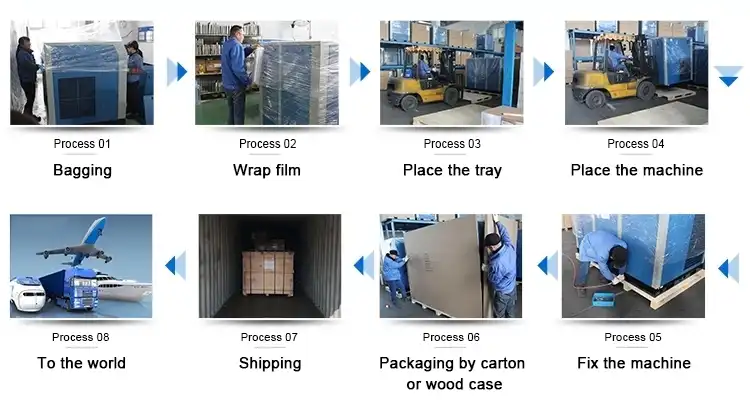
Rotary vane compressors with two pistons
The rotary vane and rotary screw compressors are similar in application, but both have different advantages and disadvantages. This article will compare the benefits of each and highlight the differences between them. While both are commonly used in industrial applications, rotary vane compressors are preferred by many industries. These compressors also have a wide range of uses, ranging from automotive air tool operation to milking machines. These compressors also have the advantage of being quieter than piston-powered ones.
The current common rail position may not be suitable for pressure swirl injectors, but new positions have been tested and show improvements in specific energy values. Moreover, the current position is not required for external oil pumps. However, mass induction and expulsion have to be performed with utmost care. This article focuses on the design and efficiency of rotary vane compressors. You can find more information about this new design in the references mentioned below.
The advantages of this type of compressor are its low cost, compact size, and easy maintenance. Hence, they are preferred in low capacity applications. Moreover, they feature integrated vanes. The rotating vanes close the air gap and compress air towards the outlet. Compared to piston-powered compressors, these units are cheaper and more reliable. Therefore, you should choose one with the lowest price tag. You can also opt for rotary vane compressors that are oil-free.
Sliding vane compressors are another popular variant. They have a single cylinder connected to the compressor and are capable of operating at low speeds. This design also reduces the amount of friction and maintains volumetric efficiency. However, the sliding vane compressors suffer from high frictional losses. If you are looking for a more efficient rotary compressor, this is the best option. While sliding vane compressors have been in the spotlight for over a century, they are still quite young.
These compressors are easy to install and maintain. They are also quieter than piston compressors. They are also cheaper than piston-driven compressors. The energy efficiency and low price make them the perfect choice for any commercial or industrial application. If you’re looking for a small, compact compressor, the rotary vane has been proven to be the best choice for your needs. You should know that it has a long service life.
editor by CX 2023-06-09
China factory Screw Air Compressor CE Certificate R407c Refrigerant Evaporative Air Cooler supplier
Product Description
Refrigerated Compressed Air Dryer (Built-In Pre-Cooler)
Detailed Photos
Principle of working :
The amount of water vapor in the air compression by compressed air temperature determined: in case of compressed air pressure is basically the same, reduce the temperature of the air compressed compression to reduce the amount of water vapor in the air, and the excess water vapor will condense into liquid.
Freezing dryer is according to the corresponding relationship between the saturation water vapor pressure and temperature, use refrigeration device makes the compressed air is cooled to a certain dew point temperature, precipitation containing water, through the steam water separator and electric drainage device will discharge water, so that the compressed air can be dry.
Product Parameters
| Model |
Air Capacity (Nm3/min) |
Voltage (V) |
Fan Power (W) |
Air connector dia | Net weight (Kg) |
Lenghth (mm) |
Wideth (mm) |
Height (mm) |
Air flow (Nm3/n) |
| SDLF-0.5HT | 0.65 | 220 | 80 | G1″ | 54 | 400 | 560 | 730 | 820 |
| SDLF-1HT | 1.2 | 220 | 80 | G1″ | 57 | 400 | 560 | 730 | 820 |
| SDLF-2HT | 2.5 | 220 | 100 | G1″ | 66 | 520 | 640 | 890 | 1640 |
| SDLF-3HT | 3.6 | 220 | 135 | G1″ | 79 | 520 | 640 | 890 | 2670 |
| SDLF-4.5HT | 5.0 | 220 | 250 | G1-1/2″ | 86 | 540 | 700 | 1000 | 4650 |
| SDLF-6HT | 6.8 | 220 | 250 | G1-1/2″ | 90 | 540 | 700 | 1000 | 4650 |
| SDLF-8HT | 8.5 | 220 | 270 | G2″ | 99 | 610 | 900 | 1070 | 5700 |
| SDLF-10HT | 10.9 | 380/220 | 260 | G2″ | 113 | 610 | 900 | 1070 | 5700 |
| SDLF-12HT | 12.8 | 380/200 | 260 | G2″ | 113 | 610 | 900 | 1070 | 5700 |
Note: The above models use plate/plate-fin heat exchangers.
Company Profile
Certifications
Packaging & Shipping
FAQ
| After-sales Service: | Ok |
|---|---|
| Warranty: | 1 Year |
| Flow: | Cross Flow |
| Material Status: | Bulk |
| Drying Medium: | Air |
| Structure: | All Kinds |
| Samples: |
US$ 400/Piece
1 Piece(Min.Order) | |
|---|
| Customization: |
Available
|
|
|---|
Choosing an Air Compressor
Considering a new Air Compressor? Here are some tips to make the decision easier. Learn the pros and cons of each type, including the differences between oil-injected and oil-free models, single stage and positive displacement. In addition, learn more about the different technologies that are available for your air compressor. It is important to choose an appropriate unit for the type of work you do. Here are some of the best compressors available today.
Positive displacement
There are several different types of air compressors, but most are positive displacement air compressors. They use a rotary or reciprocating component to compress air. The reciprocating component compresses air by reducing the volume of the chamber. Positive displacement compressors are used in bicycle pumps, chemical plants, and refrigerators. Positive displacement air compressors use multiple inlet ports. Despite the various types, the principle of operation remains the same.
Another type of positive displacement air compressor is a reciprocating piston. The piston inside a cylinder moves up and down, causing the compressed air to fill the upper part of the cylinder. These air compressors are used in a variety of different applications, including blowing bottles and gas pipelines. These air compressors can be water-cooled, lubricated, or non-lubricated. Different types have different capacities and air pressures.
A positive displacement flowmeter uses a rotating chamber that divides continuous fluid into discrete portions. The number of times the chamber is filled and discharged can be used to estimate the flow rate. The rotation speed of the measuring chamber is directly proportional to the flow rate. The drawbacks of this type of positive displacement flowmeter are that it is prone to jamming. If the fluid contains particles, it may be too thick for the meter to determine flow rate.
A negative displacement air compressor was invented in 1860 and is the oldest type of compressor. It uses two lobes positioned in a circular cavity. One rotor is connected to an engine, while the other pushes the other one to spin in the opposite direction. Negative displacement compressors are low-maintenance, but they do require more precision. They are often used in nuclear power plants because they use the kinetic energy of the rotating elements to produce pressure.
Oil-injected
Oil-flooded or oil-injected air compressors use liquid to seal and lubricate moving parts and reduce noise. Oil-flooded air compressors are effective for a variety of pneumatic tools and accessories. Some models have a thermostat that controls the amount of oil used during operation. Other types of oil-flooded air compressors are piston-type models. Here is an overview of the basic differences between these two air compressors.
An oil-injected air compressor is more expensive than a comparable oil-free air compressor, but its advantages far outweigh its disadvantages. An oil-free compressor is quieter, requires less maintenance, and has a lower price tag. It also offers a greater degree of air purity. A number of other advantages may also make this type of air compressor the better choice for many industrial settings. If you need a high-pressure compressor in a tight space, consider the benefits of an oil-free system.
Oil-injected air compressors require more maintenance than oil-free models. Both types of air compressors offer similar capacity and ISO 8573-1 Class 0 and 1-2 purity, but the oil-injected systems require more air-treatment components. They require an activated carbon filter and coalescing filter. Oil-injected air compressors will likely remain the standard for industrial air compressors for many years. And since their performance and efficiency are comparable, it may be worthwhile to invest in some point-of-use air treatment.
Both types of air compressors have their benefits. However, choosing between oil-free and oil-injected air compressors is not as straightforward as you might think. Whichever type you choose, make sure it will meet your needs. The benefits of an oil-injected air compressor outweigh their disadvantages. In general, oil-injected air compressors are more durable and can last longer than oil-free models. The only downside is their higher price.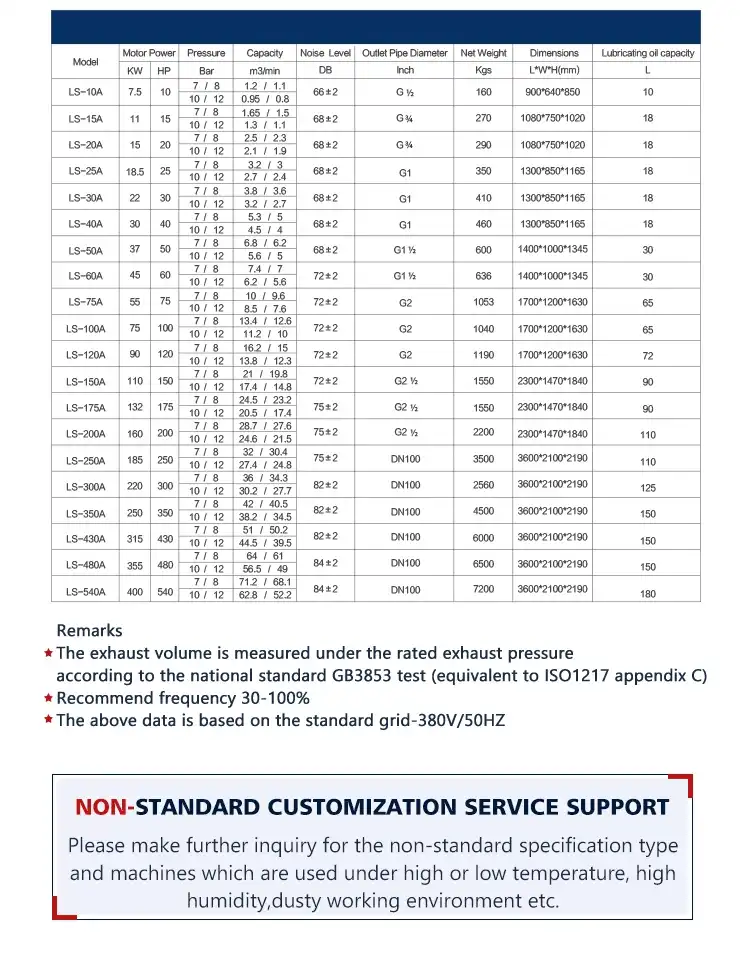
Oil-free
When choosing an air compressor for your company, you’ll need to determine what it is going to be used for. For example, if you’re planning on using it to power multiple workers, you should consider getting an oil-free compressor. An oil-free compressor, on the other hand, is quieter and can power several workers at a time. If you’re a contractor, the most important consideration will be the type of jobs you’ll be doing. Higher air pressure means greater demand for air flow, and more pressure can damage the equipment.
Oil-free compressed air is certified 100% free of contaminants. Technically, oil-free air is not completely free of foreign matter, but it is extremely low within the limits of practical air quality. A technically oil-free air compressor might have a total oil level of 0.003 mg/m3. If you’re in need of a technically oil-free air compressor, you must install an air treatment equipment after your current compressor.
If you’re in the manufacturing industry, a good oil-free air compressor will save you money and reduce your environmental impact. Many of these tools require air compressors to work, and this equipment will ensure that they don’t get contaminated. To buy the best oil-free compressor, you should learn a bit about the different terms used by compressor repair companies. ACFM, for example, is the amount of air that can be compressed in one minute at rated conditions.
When you’re using an oil-free air compressor, you should know that the overall life of the device will be much shorter. Compared to an oil-flooded rotary screw air compressor, an oil-free compressor typically has a lifespan of 50 thousand hours. But it’s important to understand that this type of compressor can still cause damage to piping and processes. Therefore, you should choose an oil-free compressor when you need to clean air for your business.
Single-stage
A single-stage air compressor, also known as a piston air compressor, compresses air only once before storing it in a cylinder. This stored air has enough energy to power a variety of pneumatic tools, such as screwdrivers, chisels, and wrenches. These units are also ideally suited for low-flow applications and are widely used in gas stations, auto shops, and various manufacturing plants.
A single-stage air compressor uses two valves – one for inlet and one for outlet – to transfer compressed air. Both valves are actuated by springs. The inlet valve has a slight curvature to provide protection from damage. The compressor’s outlet valve opens when the pressure in the cylinder is higher than the pressure in the storage tank. The piston moves very quickly inside the cylinder, exerting a high amount of force throughout the compression process. This high piston speed is a common cause of compressor wear and tear.
A single-stage air compressor is ideal for smaller tradesmen and small construction crews. Its lightweight and compact design make it easier to transport and store. While it may be tempting to buy the first cheap air compressor you see, it’s important to balance the price against performance to choose the right air compressor for your needs. The best single-stage air compressor is one that provides excellent performance and durability. Its two-stage counterpart is designed for larger construction teams and large applications.
The main difference between a single-stage and a two-stage air compressor lies in their capacity. A single-stage air compressor compresses air only once and delivers it into the storage tank, while a two-stage compressor compresses it twice, creating double the pressure. Because of this, single-stage air compressors are cheaper and versatile than their counterparts, which means that they can be used for multiple purposes.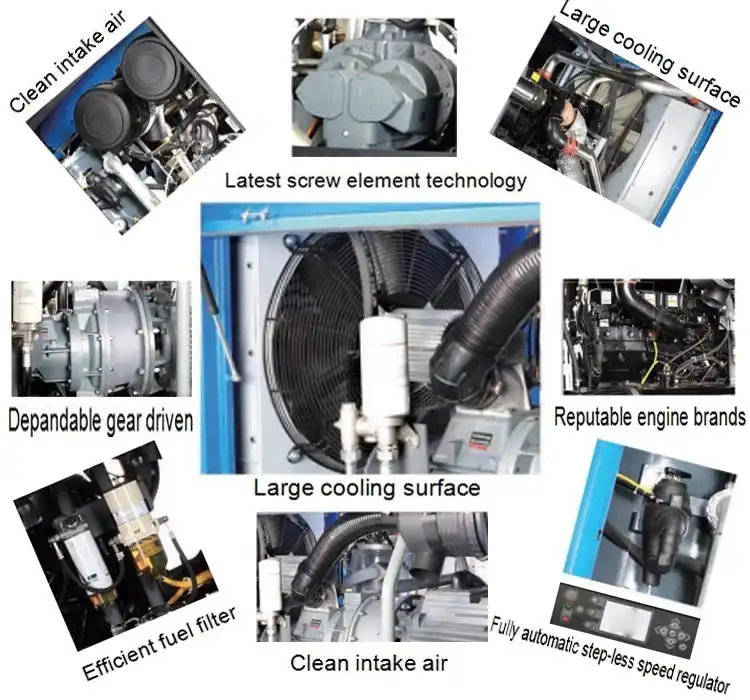
Low-noise
A low-noise air compressor is a type of industrial compressor that is less noisy than regular air compressors. These are generally smaller machines designed for smaller factories and workshops with a few to several employees. They are designed to handle mid-weight volumes of compressed air per day. This type of compressor is especially useful for smaller manufacturing businesses that need to produce compressed air for medical applications. Small breweries can also benefit from the low-noise capabilities of these compressors.
Low-noise air compressors come in various sizes and features. For smaller jobs, you can purchase a one-gallon model that is lightweight and portable. For larger jobs, you can purchase one with a larger tank that can provide more pressure for longer jobs. However, a larger tank will make the compressor heavier and harder to transport. To avoid this, make sure to check the size of the tank and how much power it can handle.
Considering a low-noise air compressor for your business? If so, you’ve come to the right place. There are a variety of affordable and dependable low-noise options to choose from. A CAT 10020C, for example, is designed to provide high-volume air to many outlets at once. A CAT 10020C comes with a 10-gallon tank, wheels, and a carrying handle.
Noise levels can also affect the productivity of employees. When employees work with air compressors in close proximity to each other, they may develop tinnitus. If employees are free from tinnitus because of the loud noise, they are likely to work more efficiently. Moreover, it will be easier for them to focus and communicate efficiently. If you need a compressor, a low-noise one is an excellent choice.
editor by CX 2023-06-07
China Hot selling Low Pressure Fixed-Speed High Security Two-Stage Screw Air Compressor for Textile Industry supplier
Product Description
| NO | Power (kW) | Pressure (MPa) |
Volumetric flow (m 3 /min) |
Exhaust outlet size GBT7306 (m) GBT9119(flange) |
Weight (kg) |
Size (L x W x H mm) |
| UDT75-5 | 75 | 0.5 | 20.00 | DN80 | 3640 | 2600x1700x2090(A) |
| UDT90-5 | 90 | 0.5 | 22.50 | DN80 | 3750 3550 |
3050x1850x2120(A) 2850x1850x2120(W) |
| UDT110-5 | 110 | 0.5 | 27.50 | DN125 | 4150 4000 |
3200x2050x2120(A) 3000x1850x2120(W) |
| UDT132-5 | 132 | 0.5 | 32.50 | DN125 | 4250 4050 |
3200x2050x2120(A) 3000x1850x2120(W) |
| UDT160-5 | 160 | 0.5 | 41.00 | DN125 | 6000 5800 |
3850x2150x2150(A) 3400x2150x2250(W) |
| UDT200-5 | 200 | 0.5 | 50.00 | DN150 | 7750 7450 |
4200x2150x2250(A) 3400x2510x2250(W) |
| UDT220-5 | 220 | 0.5 | 56.00 | DN150 | 7850 7650 |
4200x2150x2250(A) 3400x2150x2250(W) |
| UDT250-5 | 250 | 0.5 | 59.00 | DN150 | 8000 7800 |
4200x2150x2250(A) 3400x2150x2250(W) |
| UDT90-4.5 | 90 | 0.45 | 22.50 | DN80 | 3750 3550 |
3050x1850x2120(A) 2850x1850x2250(W) |
| UDT110-4.5 | 110 | 0.45 | 27.00 | DN125 | 4150 4000 |
3200x2050x2120(A) 3000x1850x2120(W) |
| UDT132-4.5 | 132 | 0.45 | 34.00 | DN125 | 4150 4000 |
3200x2050x2120(A) 3000x1850x2120(W) |
| UDT185-4.5 | 180 | 0.45 | 50.00 | DN125 | 7600 7250 |
4200x2150x2250(A) 3400x2150x2120(W) |
| UDT200-4.5 | 200 | 0.45 | 53.00 | DN150 | 7600 7250 |
4200x2150x2250(A) 3400x2150x2250(W) |
| UDT220-4.5 | 220 | 0.45 | 59.00 | DN150 | 7850 7450 |
4200x2150x2250(A) 3400x2150x2250(W) |
FAQ
Q: How about our after-sales service?
A: Emails or calls for feedbacks in 2 months interval.
Q:What trade terms do we provide?
A: Trade term :CIF ,CFR ,FOB,Ex-Works .
Q: What kind of settlement currency do we offer?
A: We do any kind of currency such as US dollar, euro, RMB, etc.
Q: How long is the delivery time of our product?
A: Our standard delivery time is 30 days after confirmation order & receiving recipets for standard compressors, for the other non standard requirement will be discussed case by case.
Q: How to install our compressor?
A: Installation guidance and on-site commissioning provided by trained technicians or local authorised service crew.
Q: What’s the Min. Order requirement ?
A: Our Min. Order quantity is 1pc.
| After-sales Service: | Standard Warranty |
|---|---|
| Warranty: | 1 Year |
| Lubrication Style: | Lubricated |
| Cooling System: | Air Cooling |
| Power Source: | AC Power |
| Cylinder Position: | None |
| Customization: |
Available
|
|
|---|
Choosing an Air Compressor
Considering a new Air Compressor? Here are some tips to make the decision easier. Learn the pros and cons of each type, including the differences between oil-injected and oil-free models, single stage and positive displacement. In addition, learn more about the different technologies that are available for your air compressor. It is important to choose an appropriate unit for the type of work you do. Here are some of the best compressors available today.
Positive displacement
There are several different types of air compressors, but most are positive displacement air compressors. They use a rotary or reciprocating component to compress air. The reciprocating component compresses air by reducing the volume of the chamber. Positive displacement compressors are used in bicycle pumps, chemical plants, and refrigerators. Positive displacement air compressors use multiple inlet ports. Despite the various types, the principle of operation remains the same.
Another type of positive displacement air compressor is a reciprocating piston. The piston inside a cylinder moves up and down, causing the compressed air to fill the upper part of the cylinder. These air compressors are used in a variety of different applications, including blowing bottles and gas pipelines. These air compressors can be water-cooled, lubricated, or non-lubricated. Different types have different capacities and air pressures.
A positive displacement flowmeter uses a rotating chamber that divides continuous fluid into discrete portions. The number of times the chamber is filled and discharged can be used to estimate the flow rate. The rotation speed of the measuring chamber is directly proportional to the flow rate. The drawbacks of this type of positive displacement flowmeter are that it is prone to jamming. If the fluid contains particles, it may be too thick for the meter to determine flow rate.
A negative displacement air compressor was invented in 1860 and is the oldest type of compressor. It uses two lobes positioned in a circular cavity. One rotor is connected to an engine, while the other pushes the other one to spin in the opposite direction. Negative displacement compressors are low-maintenance, but they do require more precision. They are often used in nuclear power plants because they use the kinetic energy of the rotating elements to produce pressure.
Oil-injected
Oil-flooded or oil-injected air compressors use liquid to seal and lubricate moving parts and reduce noise. Oil-flooded air compressors are effective for a variety of pneumatic tools and accessories. Some models have a thermostat that controls the amount of oil used during operation. Other types of oil-flooded air compressors are piston-type models. Here is an overview of the basic differences between these two air compressors.
An oil-injected air compressor is more expensive than a comparable oil-free air compressor, but its advantages far outweigh its disadvantages. An oil-free compressor is quieter, requires less maintenance, and has a lower price tag. It also offers a greater degree of air purity. A number of other advantages may also make this type of air compressor the better choice for many industrial settings. If you need a high-pressure compressor in a tight space, consider the benefits of an oil-free system.
Oil-injected air compressors require more maintenance than oil-free models. Both types of air compressors offer similar capacity and ISO 8573-1 Class 0 and 1-2 purity, but the oil-injected systems require more air-treatment components. They require an activated carbon filter and coalescing filter. Oil-injected air compressors will likely remain the standard for industrial air compressors for many years. And since their performance and efficiency are comparable, it may be worthwhile to invest in some point-of-use air treatment.
Both types of air compressors have their benefits. However, choosing between oil-free and oil-injected air compressors is not as straightforward as you might think. Whichever type you choose, make sure it will meet your needs. The benefits of an oil-injected air compressor outweigh their disadvantages. In general, oil-injected air compressors are more durable and can last longer than oil-free models. The only downside is their higher price.
Oil-free
When choosing an air compressor for your company, you’ll need to determine what it is going to be used for. For example, if you’re planning on using it to power multiple workers, you should consider getting an oil-free compressor. An oil-free compressor, on the other hand, is quieter and can power several workers at a time. If you’re a contractor, the most important consideration will be the type of jobs you’ll be doing. Higher air pressure means greater demand for air flow, and more pressure can damage the equipment.
Oil-free compressed air is certified 100% free of contaminants. Technically, oil-free air is not completely free of foreign matter, but it is extremely low within the limits of practical air quality. A technically oil-free air compressor might have a total oil level of 0.003 mg/m3. If you’re in need of a technically oil-free air compressor, you must install an air treatment equipment after your current compressor.
If you’re in the manufacturing industry, a good oil-free air compressor will save you money and reduce your environmental impact. Many of these tools require air compressors to work, and this equipment will ensure that they don’t get contaminated. To buy the best oil-free compressor, you should learn a bit about the different terms used by compressor repair companies. ACFM, for example, is the amount of air that can be compressed in one minute at rated conditions.
When you’re using an oil-free air compressor, you should know that the overall life of the device will be much shorter. Compared to an oil-flooded rotary screw air compressor, an oil-free compressor typically has a lifespan of 50 thousand hours. But it’s important to understand that this type of compressor can still cause damage to piping and processes. Therefore, you should choose an oil-free compressor when you need to clean air for your business.
Single-stage
A single-stage air compressor, also known as a piston air compressor, compresses air only once before storing it in a cylinder. This stored air has enough energy to power a variety of pneumatic tools, such as screwdrivers, chisels, and wrenches. These units are also ideally suited for low-flow applications and are widely used in gas stations, auto shops, and various manufacturing plants.
A single-stage air compressor uses two valves – one for inlet and one for outlet – to transfer compressed air. Both valves are actuated by springs. The inlet valve has a slight curvature to provide protection from damage. The compressor’s outlet valve opens when the pressure in the cylinder is higher than the pressure in the storage tank. The piston moves very quickly inside the cylinder, exerting a high amount of force throughout the compression process. This high piston speed is a common cause of compressor wear and tear.
A single-stage air compressor is ideal for smaller tradesmen and small construction crews. Its lightweight and compact design make it easier to transport and store. While it may be tempting to buy the first cheap air compressor you see, it’s important to balance the price against performance to choose the right air compressor for your needs. The best single-stage air compressor is one that provides excellent performance and durability. Its two-stage counterpart is designed for larger construction teams and large applications.
The main difference between a single-stage and a two-stage air compressor lies in their capacity. A single-stage air compressor compresses air only once and delivers it into the storage tank, while a two-stage compressor compresses it twice, creating double the pressure. Because of this, single-stage air compressors are cheaper and versatile than their counterparts, which means that they can be used for multiple purposes.
Low-noise
A low-noise air compressor is a type of industrial compressor that is less noisy than regular air compressors. These are generally smaller machines designed for smaller factories and workshops with a few to several employees. They are designed to handle mid-weight volumes of compressed air per day. This type of compressor is especially useful for smaller manufacturing businesses that need to produce compressed air for medical applications. Small breweries can also benefit from the low-noise capabilities of these compressors.
Low-noise air compressors come in various sizes and features. For smaller jobs, you can purchase a one-gallon model that is lightweight and portable. For larger jobs, you can purchase one with a larger tank that can provide more pressure for longer jobs. However, a larger tank will make the compressor heavier and harder to transport. To avoid this, make sure to check the size of the tank and how much power it can handle.
Considering a low-noise air compressor for your business? If so, you’ve come to the right place. There are a variety of affordable and dependable low-noise options to choose from. A CAT 10020C, for example, is designed to provide high-volume air to many outlets at once. A CAT 10020C comes with a 10-gallon tank, wheels, and a carrying handle.
Noise levels can also affect the productivity of employees. When employees work with air compressors in close proximity to each other, they may develop tinnitus. If employees are free from tinnitus because of the loud noise, they are likely to work more efficiently. Moreover, it will be easier for them to focus and communicate efficiently. If you need a compressor, a low-noise one is an excellent choice.
editor by CX 2023-06-02
China supplier Hfh-4 Portable Piston Type Air Compressor with Fast Heat Dissipation air compressor portable
Product Description
Product Description
Full range serialization: Adopt the modern concept design of 0.5~0.7Mpa series reciprocating piston air compressor, gather the domestic and foreign micro and small air compressor of new technology.
Technical concentration, excellent overall performance of the machine: The optimized design of the air valve can effectively reduce the exhaust resistance and exhaust temperature, improve the exhaust volume.Reasonable design of aluminum cylinder head, efficient hot fin, achieve fast heat dissipation, effectively reduce exhaust temperature, reduce energy consumption.Adopt inlet load reduction or exhaust load unloading device to effectively reduce energy consumption. The oil spray is formed by striking oil sheet, and the bearing bush and bearing are lubricated.
Close to the actual needs of users: A complete series of products, the displacement from small to large, to meet the different types of starting drill and other pneumatic mechanical air demand.The structure is diverse and suitable for different users.Cheap and good quality, low investment cost.
Technical Data
| Product Name | HFH-4 |
| Air Delivery(m3/min) | 4 |
| Discharge | 0.5 |
| Pressure(mpa) | 0.5 |
| Rotate speed(r/min) | 970 |
| Cylinder No. | 4 |
| Cylinder diameter(mm) | 120 |
| Piston stroke(mm) | 100 |
| Air tank volume(L) | 230 |
| Motor or Diesel engine | LS32 diesel or 18.5kw motor |
| Cooling way | air cooling |
| Weight with motor | 540 |
| Weighti with diesel engine | 580 |
| Length | 1900 |
| Width | 1070 |
| Height | 1260 |
Company Introduction
Hanfa Group established in 1998 is a key enterprise in the industry of geological exploration and water well field, with the ability to research,manufacture and market. Now, the Group pursues high standard manufacturing and qualified products. It has more than 20 species such as water well drilling rig, core drilling rig, engineering drilling rig, DTH drilling rig, horizontaldirectional drilling rig, etc. These machines are mainly used in geological prospecting, exploration of railway and highway engineering, mining, SPT, water well, geothermal well etc. Some of them won the Scientific and Technical Advance Prize or the National Scientific Research Achievement Prize. All the products have passed the quality system certification of ISO9001:2000 and are national inspection-free products.
1. More than 20 years of experience
The factory is located in ZheJiang Province, China. We are very welcome to visit our factory. If
you need it, we will arrange a pick-up.
2.Top production team
The transportation and packaging will be packaged in international standards. If you have special packaging requirements, we will give you the most suitable solution.
3.Our Service
– New machine provides technical trair.
– Once anything goes wrong with the machine by normal using, our technical person must appear at the first time no matter where you are.
– When the machine should be maintained, you will receive the reminding from us.
– According to different geological conditions, we will recommend different construction plans for you
– Remind you which are wearing parts, so you can prepare enough.
– 24 hours respond to your quality problem.
FAQ
1, Are you trading company or manufacturer?
We are professional manufacturer, and our factory mainly produce water well drilling rig, core drilling rig, DTH drilling rig, piling rig, etc. Our products have been exported to more than 50 countries of Asia, South America, Africa, and get a good reputation in the world.
2, Are your products qualified?
Yes, our products all have gained ISO certificate,and we have specialized quality inspection department for checking every machine before leaving our factory.
3, How about your machine quality?
All of our machines hold the ISO, QC and TUV certificate, and each set of machine must pass a great number of strict testing in order to offer the best quality to our customers.
4, Do you have after service?
Yes, we have special service team which will offer you professional guidance. If you need, we can send our engineer to your worksite and provid the training for your staff.
5, What about the qaulity warranty?
We offer one-year quality warranty for machines’ main body.
6, How long can you deliver the machine?
Generally, we can deliver the machine in 7 days.
Our Customers
| Lubrication Style: | Lubricated |
|---|---|
| Cooling System: | Air Cooling |
| Cylinder Arrangement: | Parallel Arrangement |
| Cylinder Position: | Horizontal |
| Structure Type: | Open Type |
| Compress Level: | Multistage |
| Samples: |
US$ 10000/Set
1 Set(Min.Order) | |
|---|
A Buyer’s Guide to Air Compressor Types
There are many types of Air Compressors, and it’s important to understand what each type has to offer. In this article, we’ll discuss single stage air compressors, low-noise compressors, and models with two pistons. But, before you buy an Air Compressor, be sure to read our buyer’s guide to the various types. This way, you’ll have all of the information you need to make the right decision for your business.
Single-stage air compressors
A single-stage air compressor is an excellent choice for most general-purpose purposes. They provide enough power to operate pneumatic tools, and they produce less heat. Single-stage air compressors, however, are not suitable for heavy-duty industrial uses. However, they can be used in various applications, including auto shops, gas stations, and various manufacturing facilities. They are also suitable for borewells and other high-pressure places.
These air compressors are a great choice for home use and are suitable for small-scale businesses, contractors, and small shops. These compressors have continuous duty cycles, cast iron compressor pumps, and a minimum 5,000-hour pump life. They also feature advanced features, including ODP motors, Auto Start & Controls, Receiver tanks, and power cords. They have low maintenance and can save you a great deal of money.
Single-stage air compressors are generally less expensive and lighter than their two-stage counterparts. Single-stage air compressors are also more portable, which is a plus for small projects. While two-stage compressors offer higher CFM, they are more powerful and bulky, making them unsuitable for small or home use. So it is essential to determine what you will use the air compressor for and decide on a model based on your needs.
A single-stage air compressor is made of a piston and a tank. The piston moves rapidly inside the cylinder and exerts pressure on the cylinder. This means that the piston can’t move any faster than the air pressure outside the cylinder. The piston is designed to operate in the same way for each stage. This is a great choice for home shops and one-man automotive shops, as it allows you to control the pressure without sacrificing the pump’s life.
Single-stage air compressors are often cheaper than two-stage versions, but they are not the best choice for every application. If you are only using your air compressor occasionally, you’ll find a one-stage model to be much more reliable than a two-stage model. The main difference between the two types of compressors is in the amount of air that each stage compresses. A two-stage air compressor will have more air storage capacity, but it will still produce more pressure.
Rotary vane compressors
Rotary vane compressors use a centrifugal pump to compress air. The rotor is set eccentrically in the housing, which almost touches the vane. As the rotor turns, the air that enters the pump is trapped between the vanes. This compressed air undergoes compression as the rotor rotates. Vanes are small pieces of carbon fiber or graphite composite. Vanes may be made of different materials depending on the application.
While rotary vane pumps are not commonly used to produce compressed air, they are widely used in automotive and hydraulic applications. Chances are, you have used a rotary vane pump at some point in your life. These pumps are also common in the vacuum and compressed air industries. As a result, many people don’t realize that they’re still around. They feature slots that allow the vanes to slide in and out of the rotor.
A rotary vane compressor has a drum and rotor inside. The rotor is eccentrically positioned and has slots and grooves on its surface. Its inlet and outlet ports are situated off-center, allowing the vanes to be pushed out by centrifugal force. Because the rotor rotates so quickly, air is trapped between the vanes. This air then becomes pressurized by the rotating rotor.
Rotating vane compressors can be easily serviced and repaired. A simple replacement of carbon vanes requires just 15 minutes and common tools. The carbon vanes typically last nine to eighteen months, depending on system operating pressure. Before purchasing a rotary vane compressor, make sure to check whether it has been properly performance-tested and has a warranty. Generally, warranties cover the rotor/stator chambers but do not cover the vanes or air filters. You should also check if the unit is covered by a lightning or water damage warranty.
Rotary vane compressors are an integral part of manufacturing industries. Many pharmaceutical manufacturing facilities depend on rotary vane compressors to control their equipment. Other industries that use rotary vane compressors include the plastics, woodworking, natural gas, and medical & dental fields. Their benefits are numerous and far outweigh any disadvantages of rotary screw compressors. For example, a rotary vane compressor can double the life of a conventional compressor.
Rotary vane compressors with low-noise models
If you are looking for a rotary vane air compressor, you have come to the right place. CZPT’s LV Series rotary vane compressors offer low-noise models, compact size, and robust integration. In addition to their low-noise features, they feature large filter systems to deliver high-quality compressed air. The LV Series models also feature CZPT’s reputation for reliability and quality.
This type of compressor uses centrifugal force to operate and is limited in its top and minimum operating speeds. They are only a third as powerful as screw compressors, and their top speed limits are much lower. Furthermore, the vanes wear out easily at high speeds because there is not enough centrifugal force to seal them against the cylinder’s edges. Even at half their full capacity, they consume as much as 80% of their total energy rating.
Because piston compressors produce a lot of noise, factory owners and shop owners have begun to install noise-dampening cabinets and other solutions. But, rotary vane compressors produce far less noise than a traditional vacuum, and the maintenance costs are also low. Rotary vane compressors are also extremely helpful in several industries. They are used in the automotive and auto finishing industries, as well as in dairy industries and milking machines.
If you have a deep pond, a rotary vane air compressor kit can pump up to 20 feet of water. This is more than enough airflow for two to five diffusers. A 1/4 HP rotary vane kit pumps around 4.2 CFM. It also helps to increase circulation and oxygen levels in the pond. Finally, a 1/4 HP kit offers the necessary power to clean up the bottom of a pond.
The rotary vane and rotary screw are the most popular air compressors today. While they are similar in many ways, they are more versatile and durable than their counterparts. They use fewer angular contact ball bearings and require less frequent maintenance than piston air compressors. Compared to piston air compressors, rotary vane and rotary screw compressors are quieter and are less expensive.
Rotary vane compressors with two pistons
The rotary vane and rotary screw compressors are similar in application, but both have different advantages and disadvantages. This article will compare the benefits of each and highlight the differences between them. While both are commonly used in industrial applications, rotary vane compressors are preferred by many industries. These compressors also have a wide range of uses, ranging from automotive air tool operation to milking machines. These compressors also have the advantage of being quieter than piston-powered ones.
The current common rail position may not be suitable for pressure swirl injectors, but new positions have been tested and show improvements in specific energy values. Moreover, the current position is not required for external oil pumps. However, mass induction and expulsion have to be performed with utmost care. This article focuses on the design and efficiency of rotary vane compressors. You can find more information about this new design in the references mentioned below.
The advantages of this type of compressor are its low cost, compact size, and easy maintenance. Hence, they are preferred in low capacity applications. Moreover, they feature integrated vanes. The rotating vanes close the air gap and compress air towards the outlet. Compared to piston-powered compressors, these units are cheaper and more reliable. Therefore, you should choose one with the lowest price tag. You can also opt for rotary vane compressors that are oil-free.
Sliding vane compressors are another popular variant. They have a single cylinder connected to the compressor and are capable of operating at low speeds. This design also reduces the amount of friction and maintains volumetric efficiency. However, the sliding vane compressors suffer from high frictional losses. If you are looking for a more efficient rotary compressor, this is the best option. While sliding vane compressors have been in the spotlight for over a century, they are still quite young.
These compressors are easy to install and maintain. They are also quieter than piston compressors. They are also cheaper than piston-driven compressors. The energy efficiency and low price make them the perfect choice for any commercial or industrial application. If you’re looking for a small, compact compressor, the rotary vane has been proven to be the best choice for your needs. You should know that it has a long service life.
editor by CX 2023-05-31
China Best Sales Piston Belt Driven Air Compressor with Tank supplier
Product Description
Item: Piston belt driven air compressor with tank
FEATURES
(1)Belt-driven air compressors
(2)Powerful cast iron pump,big horse power for using
(3)Best choice for factories
(4)Metal cover for protecting the belt and wheels
(5)Various pumps can be matched with different tank capacity for choices of customers
Packaging & Delivery
Packaging Details : CARTON
Loading Port: ZheJiang
Lead Time: 25-35 days after receiving the payment.
|
portable compressor Details
|
|
Shipping Cost:
Estimated freight per unit. |
To be negotiated|
|
|---|
| After-sales Service: | Spare Parts |
|---|---|
| Warranty: | 1 Year |
| Lubrication Style: | Lubricated |
| Customization: |
Available
|
|
|---|
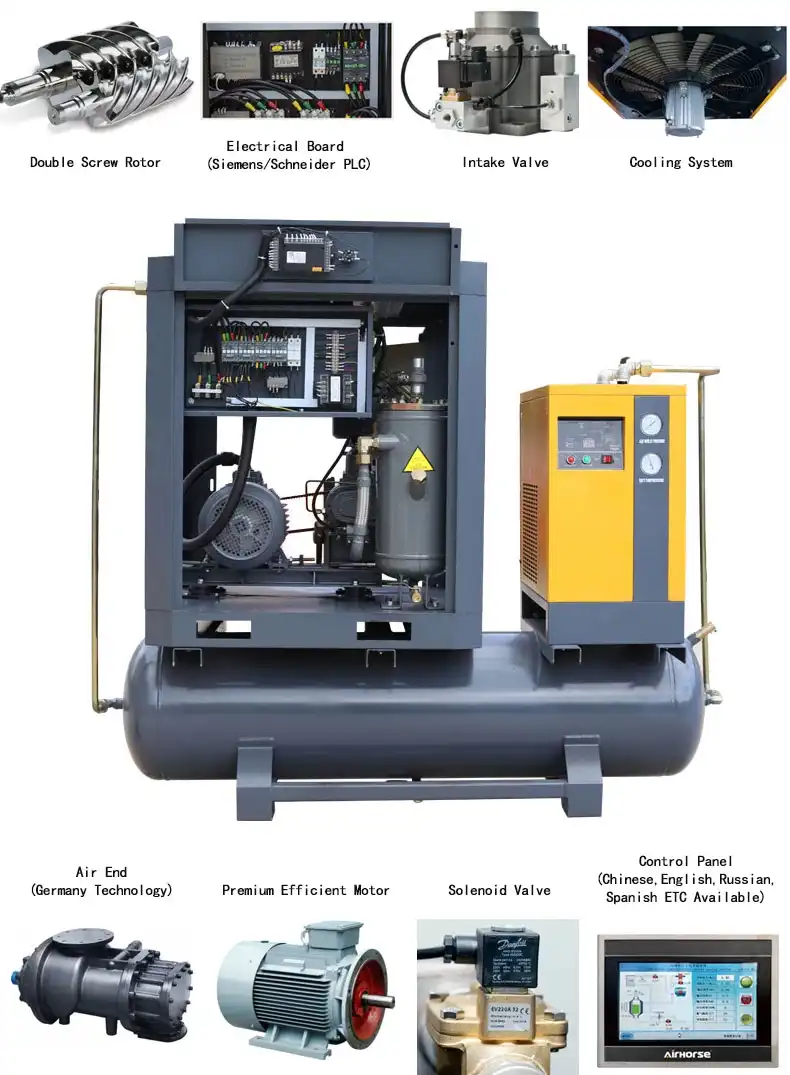
The Air Compressor Is a Versatile Tool
The Air Compressor is one of the most versatile tools in any garage or workshop. It is easy to use and can perform a variety of tasks, from jackhammering to drilling. These machines are available in a wide variety of sizes and types, making it an excellent choice for a variety of situations. With a single motor, you no longer need separate motors for each tool. Its lightweight, compact design makes it easy to handle, and the single motor also reduces wear on parts.
Oil-injected
Oil-injected air compressors require a large amount of lubricant, which needs to be added to the sump regularly to maintain optimum performance. As there are many types of industrial fluids, a well-intentioned maintenance technician may add the wrong lubricant to the compressor. If this happens, the compressor will become incompatible with the lubricant, resulting in excessive carryover and the need to flush and replace downstream air treatment components.
Typically, the G 110-250 oil-injected rotary screw compressor from Atlas Copco provides reliable compressed air, preventing costly downtime. The G110-250 oil-injected rotary screw compressor is highly reliable and durable, enabling it to function in temperatures up to 46degC/115degF. Despite the oil-injected air compressor’s robust design, this unit requires very little on-site installation, and it features simple operation.
The primary advantage of oil-injected air compressors is the reduced cost of running. The cost of oil-free compressors is less than half of that of oil-injected ones, and it will require fewer maintenance costs in the long run. Moreover, the oil-free system is more environmentally friendly than oil-injected air compressors. But the drawbacks of oil-injected air compressors are substantial, too. It can contaminate finished goods and cause a significant financial risk for the manufacturer.
An oil-injected rotary screw air compressor offers several advantages over its counterpart. First, it features an innovative vertical design with variable-speed drive, allowing it to run more efficiently. Second, oil-injected air compressors reduce energy consumption by up to 50% compared to non-oil-injected air compressors. They also have a thermostatic valve, allowing them to maintain an optimum temperature. Thermostatically-regulated oil coolers allow the compressor to run more quietly.
Oil-free
What is an oil-free air compressor? The name refers to a type of air compressor that does not contain oil in the compressor chamber. Oil-free air compressors still use oil for various purposes, including lubricating the moving parts and managing waste heat. However, many people do not realize that their air compressor still requires oil for proper functioning. This article will explore why this type of air compressor is preferable for many users.
First of all, oil-free air technology has many benefits. For one, it reduces the energy cost involved in filtering air, and it minimizes leaks. Moreover, it also reduces the oil costs associated with compressor refills. And finally, it reduces the risks of contamination. Oil-free air technology is the future of compressed air. If you’re looking for an oil-free air compressor, here’s what to look for in your search.
Depending on the purpose of your air compressor, it may be beneficial to invest in an oil-free air compressor. Oil-lubricated air compressors are generally more durable than their oil-free counterparts, but they may cost twice as much. You should still consider the cost of ownership before purchasing an oil-free compressor. The oil-free models can be easier to transport, and they are more powerful. Moreover, they’re quieter than oil-lubed models.
An oil-free air compressor also means less maintenance, as it doesn’t need oil to work. This type of air compressors also features fewer moving parts, which means fewer places for problems to develop. All oil-free air compressors are manufactured to meet ISO Class 0 and 1 air purity standards. They also have less noise and vibration compared to their oil-based counterparts. So, why not choose an oil-free air compressor for your business?
Gasoline
When choosing a gas-powered air compressor, it’s important to consider the advantages of gasoline. This energy source can power a large air compressor without electricity. However, this type of air compressor lacks electrical hookup, so you’ll need to run an extension cord if you need to use it at a distance. However, gas compressors are able to function with just a gas tank. This makes them ideal for medium to heavy-duty industrial applications.
Another important consideration when choosing a gas air compressor is its size. Larger compressors are typically larger than portable ones and require more space. This makes them easier to transport and operate on the go. However, if you’re not sure which type of air compressor is best for you, consider the gas-powered versions. While they may be lighter, they don’t run as smoothly as their electric counterparts. Gasoline-powered compressors are not as portable as their electric counterparts and require proper maintenance.
Electricity
Electricity in an air compressor is not cheap. A 25 HP air compressor runs for ten hours each day, five days a week. The motor in these machines consumes 746 watts per hour. To find out how much electricity the equipment uses, multiply the wattage by the running time. For example, if the compressor runs for three hours, then it will use 1.9 kilowatt hours of electricity. To determine how much electricity an air compressor uses per day, you can calculate the kilowatt hours and multiply the number by the utility rate. Considering this, you can determine the cost of running your air compressor once per month.
The cost of operating an air compressor depends on the type of compressor. Electric air compressors are often silent and can run without any maintenance. These tools can be left unattended for up to four thousand hours before requiring repair. Electric air compressors require higher power for higher pressure, so you should plan accordingly. Whether or not you need a maintenance visit is up to you, but the benefit of not having to spend a fortune on repairs is priceless.
Although compressed air is not an energy-efficient source, its use in a variety of applications may save you money and kilowatts. Since an air compressor uses power when it is running, the cost is lower than the cost of operating a power tool. If you plan to use your air compressor for a long time, make sure that it is maintained properly. Proper care will save you money and power, and you may even be able to get an extended warranty if the compressor breaks down.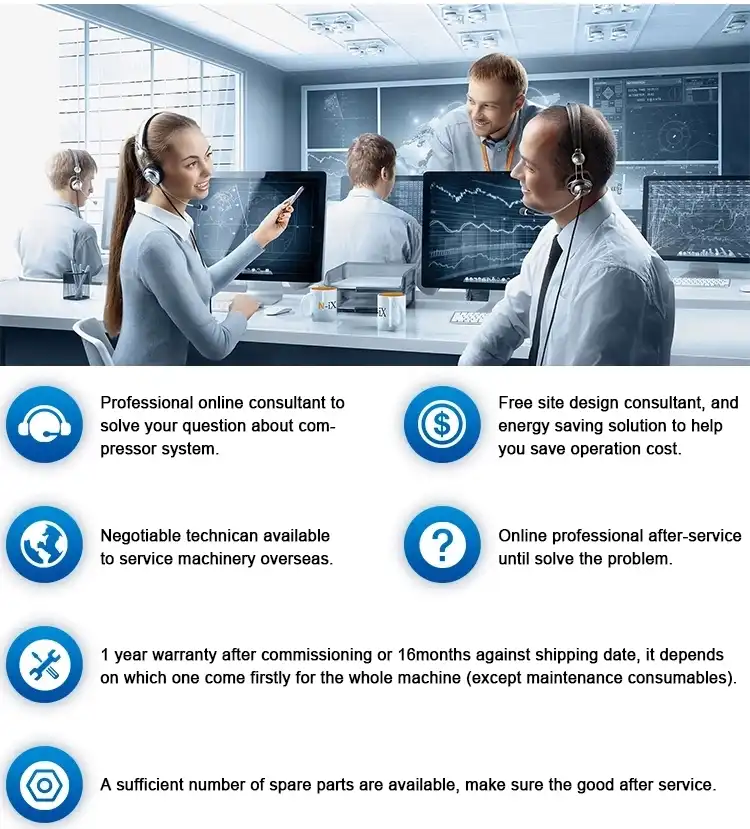
Variable frequency drive
The main purpose of a variable frequency drive (VFD) in an air compressor is to reduce energy consumption in the process of compression. A single motor drag system cannot adjust its speed continuously according to the weight of the load. By applying frequency control to the compressor, the power consumption can be reduced while maintaining the same pressure level. Therefore, a VFD is an excellent choice for compressors. Its benefits are numerous.
A VFD can also monitor the temperature of the motor and send error signals if the motor is running too hot or too cold. This eliminates the need for a separate sensor to monitor the oil pressure. These functions are useful not only in lowering energy consumption, but also in improving the performance of an application. Moreover, a VFD can monitor additional variables such as temperature and motor speed. Hence, it is a useful investment.
When using a VFD, it is crucial to choose the right motor. The speed of the compressor should be within the maximum starting limit of the motor. The air tank may be of any size, but a constant pressure limit is required to keep the VFD running within the service factor of the motor. In addition to a VFD, a master controller should also include a remote pressure set point and a PID card for a master controller. The transmitter should incorporate all useful data from the VFD, including the speed and the oil temperature. The VFD must be tested before it is integrated with the master control. It should be tested for min and max speed, temperature, and current within the expected range.
The use of a VFD in an air compressor has many benefits. One of the most notable is the reduction in power consumption. Fixed-speed compressors run on set points of six to seven bar. An extra bar of compression uses 7 percent of energy. This energy is wasted. A VFD-powered air compressor can also increase the life span of compressor parts. It is one of the best investments in your compressor. So, why wait any longer?
editor by CX 2023-05-29
China supplier Maglev Centrifugal Air Compressor manufacturer
Product Description
Maglev Technology (zHangZhoug) Co,Ltd.(the company),as an enterprise providing air compressor technology consulting and service,is engaed in research and technlogical transformation of air compressor stations in textiles,texturing,and biological fementation and other industries ,as well as sales and services of maglv air compressors.
| After-sales Service: | Long Time |
|---|---|
| Warranty: | Long Time |
| Mute: | Mute |
| Impeller: | Closed |
| Cooling System: | Water Cooling |
| Lubrication Style: | Oil-Free |
| Customization: |
Available
|
|
|---|
A Buyer’s Guide to Air Compressor Types
There are many types of Air Compressors, and it’s important to understand what each type has to offer. In this article, we’ll discuss single stage air compressors, low-noise compressors, and models with two pistons. But, before you buy an Air Compressor, be sure to read our buyer’s guide to the various types. This way, you’ll have all of the information you need to make the right decision for your business.
Single-stage air compressors
A single-stage air compressor is an excellent choice for most general-purpose purposes. They provide enough power to operate pneumatic tools, and they produce less heat. Single-stage air compressors, however, are not suitable for heavy-duty industrial uses. However, they can be used in various applications, including auto shops, gas stations, and various manufacturing facilities. They are also suitable for borewells and other high-pressure places.
These air compressors are a great choice for home use and are suitable for small-scale businesses, contractors, and small shops. These compressors have continuous duty cycles, cast iron compressor pumps, and a minimum 5,000-hour pump life. They also feature advanced features, including ODP motors, Auto Start & Controls, Receiver tanks, and power cords. They have low maintenance and can save you a great deal of money.
Single-stage air compressors are generally less expensive and lighter than their two-stage counterparts. Single-stage air compressors are also more portable, which is a plus for small projects. While two-stage compressors offer higher CFM, they are more powerful and bulky, making them unsuitable for small or home use. So it is essential to determine what you will use the air compressor for and decide on a model based on your needs.
A single-stage air compressor is made of a piston and a tank. The piston moves rapidly inside the cylinder and exerts pressure on the cylinder. This means that the piston can’t move any faster than the air pressure outside the cylinder. The piston is designed to operate in the same way for each stage. This is a great choice for home shops and one-man automotive shops, as it allows you to control the pressure without sacrificing the pump’s life.
Single-stage air compressors are often cheaper than two-stage versions, but they are not the best choice for every application. If you are only using your air compressor occasionally, you’ll find a one-stage model to be much more reliable than a two-stage model. The main difference between the two types of compressors is in the amount of air that each stage compresses. A two-stage air compressor will have more air storage capacity, but it will still produce more pressure.
Rotary vane compressors
Rotary vane compressors use a centrifugal pump to compress air. The rotor is set eccentrically in the housing, which almost touches the vane. As the rotor turns, the air that enters the pump is trapped between the vanes. This compressed air undergoes compression as the rotor rotates. Vanes are small pieces of carbon fiber or graphite composite. Vanes may be made of different materials depending on the application.
While rotary vane pumps are not commonly used to produce compressed air, they are widely used in automotive and hydraulic applications. Chances are, you have used a rotary vane pump at some point in your life. These pumps are also common in the vacuum and compressed air industries. As a result, many people don’t realize that they’re still around. They feature slots that allow the vanes to slide in and out of the rotor.
A rotary vane compressor has a drum and rotor inside. The rotor is eccentrically positioned and has slots and grooves on its surface. Its inlet and outlet ports are situated off-center, allowing the vanes to be pushed out by centrifugal force. Because the rotor rotates so quickly, air is trapped between the vanes. This air then becomes pressurized by the rotating rotor.
Rotating vane compressors can be easily serviced and repaired. A simple replacement of carbon vanes requires just 15 minutes and common tools. The carbon vanes typically last nine to eighteen months, depending on system operating pressure. Before purchasing a rotary vane compressor, make sure to check whether it has been properly performance-tested and has a warranty. Generally, warranties cover the rotor/stator chambers but do not cover the vanes or air filters. You should also check if the unit is covered by a lightning or water damage warranty.
Rotary vane compressors are an integral part of manufacturing industries. Many pharmaceutical manufacturing facilities depend on rotary vane compressors to control their equipment. Other industries that use rotary vane compressors include the plastics, woodworking, natural gas, and medical & dental fields. Their benefits are numerous and far outweigh any disadvantages of rotary screw compressors. For example, a rotary vane compressor can double the life of a conventional compressor.
Rotary vane compressors with low-noise models
If you are looking for a rotary vane air compressor, you have come to the right place. CZPT’s LV Series rotary vane compressors offer low-noise models, compact size, and robust integration. In addition to their low-noise features, they feature large filter systems to deliver high-quality compressed air. The LV Series models also feature CZPT’s reputation for reliability and quality.
This type of compressor uses centrifugal force to operate and is limited in its top and minimum operating speeds. They are only a third as powerful as screw compressors, and their top speed limits are much lower. Furthermore, the vanes wear out easily at high speeds because there is not enough centrifugal force to seal them against the cylinder’s edges. Even at half their full capacity, they consume as much as 80% of their total energy rating.
Because piston compressors produce a lot of noise, factory owners and shop owners have begun to install noise-dampening cabinets and other solutions. But, rotary vane compressors produce far less noise than a traditional vacuum, and the maintenance costs are also low. Rotary vane compressors are also extremely helpful in several industries. They are used in the automotive and auto finishing industries, as well as in dairy industries and milking machines.
If you have a deep pond, a rotary vane air compressor kit can pump up to 20 feet of water. This is more than enough airflow for two to five diffusers. A 1/4 HP rotary vane kit pumps around 4.2 CFM. It also helps to increase circulation and oxygen levels in the pond. Finally, a 1/4 HP kit offers the necessary power to clean up the bottom of a pond.
The rotary vane and rotary screw are the most popular air compressors today. While they are similar in many ways, they are more versatile and durable than their counterparts. They use fewer angular contact ball bearings and require less frequent maintenance than piston air compressors. Compared to piston air compressors, rotary vane and rotary screw compressors are quieter and are less expensive.
Rotary vane compressors with two pistons
The rotary vane and rotary screw compressors are similar in application, but both have different advantages and disadvantages. This article will compare the benefits of each and highlight the differences between them. While both are commonly used in industrial applications, rotary vane compressors are preferred by many industries. These compressors also have a wide range of uses, ranging from automotive air tool operation to milking machines. These compressors also have the advantage of being quieter than piston-powered ones.
The current common rail position may not be suitable for pressure swirl injectors, but new positions have been tested and show improvements in specific energy values. Moreover, the current position is not required for external oil pumps. However, mass induction and expulsion have to be performed with utmost care. This article focuses on the design and efficiency of rotary vane compressors. You can find more information about this new design in the references mentioned below.
The advantages of this type of compressor are its low cost, compact size, and easy maintenance. Hence, they are preferred in low capacity applications. Moreover, they feature integrated vanes. The rotating vanes close the air gap and compress air towards the outlet. Compared to piston-powered compressors, these units are cheaper and more reliable. Therefore, you should choose one with the lowest price tag. You can also opt for rotary vane compressors that are oil-free.
Sliding vane compressors are another popular variant. They have a single cylinder connected to the compressor and are capable of operating at low speeds. This design also reduces the amount of friction and maintains volumetric efficiency. However, the sliding vane compressors suffer from high frictional losses. If you are looking for a more efficient rotary compressor, this is the best option. While sliding vane compressors have been in the spotlight for over a century, they are still quite young.
These compressors are easy to install and maintain. They are also quieter than piston compressors. They are also cheaper than piston-driven compressors. The energy efficiency and low price make them the perfect choice for any commercial or industrial application. If you’re looking for a small, compact compressor, the rotary vane has been proven to be the best choice for your needs. You should know that it has a long service life.
editor by CX 2023-05-25
China supplier Medical Instrument Medical Air Compressor supplier
Product Description
Medical Instrument Medical Air Compressor
Medical Instrument Medical Air Compressor
Product Description
1. Medical Instrument Medical Air Compressor Description
The compressed air is generated by the air compressor, removes impurities, and moisture in the compressed air through the adsorption dryer, and then enters the air buffer tank, through sterilizing filter and then is regulated by the pressure reducer. Compressed air ducts are used in medical equipment such as operating rooms and ICUs.
The central compressed air station is composed of air compressor, adsorption dryer, air buffer tank, sterilizing filter, decompressor, valve, Dew point monitoring, electrical control system, pipeline and terminal.
2. Why use dry, clean compressed air?
IInhibit the survival and reproduction of bacteria
Prevent condensation into liquid water at low temperatures
Liquid water will damage these equipment after entering the anesthesia machine or ventilator
Prevent icing blocked pipes below zero
High humidity in the pipe can cause oxidation of the pipe
3. Medical Instrument Medical Air Compressor Features
Reduce equipment failure frequency and save costs;
Oil-free design ensure for qualified medical level air;
Prevent oxidation of pipeline, inhibit bacteria breeding;
Modular and compacted design, easy for installation and operation;
Dry clean compressed air can prevent the damage of medical device;
Automatic control, touch screen operation, high degree of intelligence;
24 hours intelligent monitoring and recording by Mobile phone APP, with messages alarm in case of failure
4. CZPT Medical Instrument Medical Air Compressor Working Principle
4.1 Medical Instrument Medical Air Compressor Specifications
| System Model | Medical Compressed Air Unit | ||||
| Air Compressor | Output Capacity (m3/min) |
Working Pressure hpa(mbar) |
Output | Power (KW) |
|
| ETA-04 | ET-YA04 | 0.42*1 | 0.5-0.8 | G1/2″(DN15) | 4.0 |
| ETA-07 | ET-YA07 | 0.42*2 | 0.5-0.8 | G3/4″(DN20) | 8.0 |
| ETA-11 | ET-YA11 | 0.42*3 | 0.5-0.8 | G11/4″(DN32) | 12.0 |
| ETA-15 | ET-YA15 | 0.42*4 | 0.5-0.8 | G11/4″(DN32) | 16.0 |
| ETA-22 | ET-YA22 | 0.42*6 | 0.5-0.8 | G11/4″(DN32) | 24.0 |
| ETA-30 | ET-YA30 | 0.42*8 | 0.5-0.8 | G11/4″(DN32) | 32.0 |
| Adsorption Dryer | |||||
| Model | Output Capacity (m3/min) |
Inlet/Outlet | Supply Power | Power (KW) |
Dew Point |
| ET-YK04 | 0.32 | Rc1/2″ | 220V/50Hz | 50W | -40° |
| ET-YK07 | 0.64 | Rc1/2″ | 220V/50Hz | 50W | -40° |
| ET-YK11 | 0.96 | Rc3/4″ | 220V/50Hz | 50W | -40° |
| ET-YK15 | 1.28 | Rc3/4″ | 220V/50Hz | 50W | -40° |
| ET-YK22 | 1.92 | Rc1″ | 220V/50Hz | 50W | -40° |
| ET-YK30 | 2.56 | Rc1 1/4″ | 220V/50Hz | 50W | -40° |
5. Quality Control Process
ETR Enigineering & Technology,clients can be sure of the quality of CZPT solution. ETR uses only the best suppliers and components. And all compress air system are tested & commissioned by professional Experts to make sure everything is qualified before they leave the factory.
FAQ
1. Are you manufacturer or Trade Company?
We are the manufacturer of Medical Instrument Medical Air Compressor, founded in 2003.
2. What’s the order compress air system process?
a. Inquiry—provide us all clear requirements.
b. Quotation—official quotation form with all clear specifications.
c. Printing file— PDF, Ai, CDR, PSD, the picture resolution must be at least 300 dpi.
d. Contract confirmation—provide correct contract details.
e. Payment terms— Negotiable.
f. Production—mass production
g. Shipping— by sea, air or courier. Detailed picture of package will be provided.
h. Installation and commissioning
3.What terms of payment you use?
T/T, L/C etc.
| After-sales Service: | One Year |
|---|---|
| Warranty: | One Year |
| Principle: | Rotary Compressor |
| Application: | Medical/Hospital/Clinic |
| Performance: | Low Noise |
| Mute: | Mute |
| Customization: |
Available
|
|
|---|
A Buyer’s Guide to Air Compressor Types
There are many types of Air Compressors, and it’s important to understand what each type has to offer. In this article, we’ll discuss single stage air compressors, low-noise compressors, and models with two pistons. But, before you buy an Air Compressor, be sure to read our buyer’s guide to the various types. This way, you’ll have all of the information you need to make the right decision for your business.
Single-stage air compressors
A single-stage air compressor is an excellent choice for most general-purpose purposes. They provide enough power to operate pneumatic tools, and they produce less heat. Single-stage air compressors, however, are not suitable for heavy-duty industrial uses. However, they can be used in various applications, including auto shops, gas stations, and various manufacturing facilities. They are also suitable for borewells and other high-pressure places.
These air compressors are a great choice for home use and are suitable for small-scale businesses, contractors, and small shops. These compressors have continuous duty cycles, cast iron compressor pumps, and a minimum 5,000-hour pump life. They also feature advanced features, including ODP motors, Auto Start & Controls, Receiver tanks, and power cords. They have low maintenance and can save you a great deal of money.
Single-stage air compressors are generally less expensive and lighter than their two-stage counterparts. Single-stage air compressors are also more portable, which is a plus for small projects. While two-stage compressors offer higher CFM, they are more powerful and bulky, making them unsuitable for small or home use. So it is essential to determine what you will use the air compressor for and decide on a model based on your needs.
A single-stage air compressor is made of a piston and a tank. The piston moves rapidly inside the cylinder and exerts pressure on the cylinder. This means that the piston can’t move any faster than the air pressure outside the cylinder. The piston is designed to operate in the same way for each stage. This is a great choice for home shops and one-man automotive shops, as it allows you to control the pressure without sacrificing the pump’s life.
Single-stage air compressors are often cheaper than two-stage versions, but they are not the best choice for every application. If you are only using your air compressor occasionally, you’ll find a one-stage model to be much more reliable than a two-stage model. The main difference between the two types of compressors is in the amount of air that each stage compresses. A two-stage air compressor will have more air storage capacity, but it will still produce more pressure.
Rotary vane compressors
Rotary vane compressors use a centrifugal pump to compress air. The rotor is set eccentrically in the housing, which almost touches the vane. As the rotor turns, the air that enters the pump is trapped between the vanes. This compressed air undergoes compression as the rotor rotates. Vanes are small pieces of carbon fiber or graphite composite. Vanes may be made of different materials depending on the application.
While rotary vane pumps are not commonly used to produce compressed air, they are widely used in automotive and hydraulic applications. Chances are, you have used a rotary vane pump at some point in your life. These pumps are also common in the vacuum and compressed air industries. As a result, many people don’t realize that they’re still around. They feature slots that allow the vanes to slide in and out of the rotor.
A rotary vane compressor has a drum and rotor inside. The rotor is eccentrically positioned and has slots and grooves on its surface. Its inlet and outlet ports are situated off-center, allowing the vanes to be pushed out by centrifugal force. Because the rotor rotates so quickly, air is trapped between the vanes. This air then becomes pressurized by the rotating rotor.
Rotating vane compressors can be easily serviced and repaired. A simple replacement of carbon vanes requires just 15 minutes and common tools. The carbon vanes typically last nine to eighteen months, depending on system operating pressure. Before purchasing a rotary vane compressor, make sure to check whether it has been properly performance-tested and has a warranty. Generally, warranties cover the rotor/stator chambers but do not cover the vanes or air filters. You should also check if the unit is covered by a lightning or water damage warranty.
Rotary vane compressors are an integral part of manufacturing industries. Many pharmaceutical manufacturing facilities depend on rotary vane compressors to control their equipment. Other industries that use rotary vane compressors include the plastics, woodworking, natural gas, and medical & dental fields. Their benefits are numerous and far outweigh any disadvantages of rotary screw compressors. For example, a rotary vane compressor can double the life of a conventional compressor.
Rotary vane compressors with low-noise models
If you are looking for a rotary vane air compressor, you have come to the right place. CZPT’s LV Series rotary vane compressors offer low-noise models, compact size, and robust integration. In addition to their low-noise features, they feature large filter systems to deliver high-quality compressed air. The LV Series models also feature CZPT’s reputation for reliability and quality.
This type of compressor uses centrifugal force to operate and is limited in its top and minimum operating speeds. They are only a third as powerful as screw compressors, and their top speed limits are much lower. Furthermore, the vanes wear out easily at high speeds because there is not enough centrifugal force to seal them against the cylinder’s edges. Even at half their full capacity, they consume as much as 80% of their total energy rating.
Because piston compressors produce a lot of noise, factory owners and shop owners have begun to install noise-dampening cabinets and other solutions. But, rotary vane compressors produce far less noise than a traditional vacuum, and the maintenance costs are also low. Rotary vane compressors are also extremely helpful in several industries. They are used in the automotive and auto finishing industries, as well as in dairy industries and milking machines.
If you have a deep pond, a rotary vane air compressor kit can pump up to 20 feet of water. This is more than enough airflow for two to five diffusers. A 1/4 HP rotary vane kit pumps around 4.2 CFM. It also helps to increase circulation and oxygen levels in the pond. Finally, a 1/4 HP kit offers the necessary power to clean up the bottom of a pond.
The rotary vane and rotary screw are the most popular air compressors today. While they are similar in many ways, they are more versatile and durable than their counterparts. They use fewer angular contact ball bearings and require less frequent maintenance than piston air compressors. Compared to piston air compressors, rotary vane and rotary screw compressors are quieter and are less expensive.
Rotary vane compressors with two pistons
The rotary vane and rotary screw compressors are similar in application, but both have different advantages and disadvantages. This article will compare the benefits of each and highlight the differences between them. While both are commonly used in industrial applications, rotary vane compressors are preferred by many industries. These compressors also have a wide range of uses, ranging from automotive air tool operation to milking machines. These compressors also have the advantage of being quieter than piston-powered ones.
The current common rail position may not be suitable for pressure swirl injectors, but new positions have been tested and show improvements in specific energy values. Moreover, the current position is not required for external oil pumps. However, mass induction and expulsion have to be performed with utmost care. This article focuses on the design and efficiency of rotary vane compressors. You can find more information about this new design in the references mentioned below.
The advantages of this type of compressor are its low cost, compact size, and easy maintenance. Hence, they are preferred in low capacity applications. Moreover, they feature integrated vanes. The rotating vanes close the air gap and compress air towards the outlet. Compared to piston-powered compressors, these units are cheaper and more reliable. Therefore, you should choose one with the lowest price tag. You can also opt for rotary vane compressors that are oil-free.
Sliding vane compressors are another popular variant. They have a single cylinder connected to the compressor and are capable of operating at low speeds. This design also reduces the amount of friction and maintains volumetric efficiency. However, the sliding vane compressors suffer from high frictional losses. If you are looking for a more efficient rotary compressor, this is the best option. While sliding vane compressors have been in the spotlight for over a century, they are still quite young.
These compressors are easy to install and maintain. They are also quieter than piston compressors. They are also cheaper than piston-driven compressors. The energy efficiency and low price make them the perfect choice for any commercial or industrial application. If you’re looking for a small, compact compressor, the rotary vane has been proven to be the best choice for your needs. You should know that it has a long service life.
editor by CX 2023-05-16