China Custom Adult Kawake Kavac Surgical ICU Pediatric Invasive System Ventilator Machine Oxygen Concentrator Mini Piston Oilfree Dental Medical Oilless Air Compressor 12v air compressor

China Custom Adult Kawake Kavac Surgical ICU Pediatric Invasive System Ventilator Machine Oxygen Concentrator Mini Piston Oilfree Dental Medical Oilless Air Compressor 12v air compressor

Lorem ipsum dolor sit amet, consectetur adipiscing elit. Nulla hendrerit arcu in lectus sodales, nec interdum erat sollicitudin. Nam accumsan, lacus ut rutrum ornare, arcu nisl tincidunt diam, sit amet ornare risus leo sit amet erat. Cras quis erat aliquet, eleifend orci non, posuere justo. Etiam nec risus id orci tincidunt porttitor ut tempor ligula. Mauris auctor nisl eget ex tempus, quis ultricies sapien molestie. Sed vitae nisi tortor. Proin elit augue, semper eget ullamcorper in, pellentesque id nisi. Nam et purus turpis. Duis cursus ultricies lacus, a bibendum leo aliquam ac. Donec vitae feugiat metus, eu sodales felis. Phasellus enim tortor, iaculis et dapibus non, egestas in libero. Nam fringilla erat id metus ultrices, in mattis nisl pharetra.

Advantages

Lorem ipsum dolor sit amet, consectetur adipiscing elit. Vestibulum at egestas tortor. Proin finibus interdum ante, id fermentum erat scelerisque quis. Morbi laoreet tellus et nisl convallis, at cursus velit

Performance Characteristics of Oxygen Compressors

1. High Compression Efficiency

Oxygen compressors are designed to efficiently compress oxygen gas, ensuring maximum output and performance. The compression process is carefully engineered to minimize energy consumption while maintaining high compression ratios.

2. Reliable Operation

These compressors are built to provide dependable and consistent operation. By utilizing advanced technology and robust construction, they offer reliable performance even in demanding environments. This ensures continuous and uninterrupted oxygen supply.

3. Compact and Space-Saving

Oxygen compressors are designed to be compact and space-saving. Their small footprint allows for easy installation in various settings, making them suitable for both small-scale and large-scale applications.

4. Low Noise and Vibration

Efforts have been made to reduce noise and vibration during the operation of oxygen compressors. By incorporating soundproofing materials and effective vibration dampening systems, they provide a quieter and more comfortable working environment.

5. Precise Control and Monitoring

Modern oxygen compressors are equipped with advanced control and monitoring systems. These enable precise adjustment of compression parameters and real-time monitoring of key performance indicators, ensuring optimal operation and efficiency.

Types and Characteristics of Oxygen Compressors

1. Piston Compressors

Piston compressors utilize reciprocating motion to compress oxygen gas. They are known for their high compression ratios and are suitable for applications requiring higher pressure output. These compressors can handle a wide range of oxygen flow rates and are often used in industrial and medical settings.

2. Rotary Screw Compressors

Rotary screw compressors use a pair of intermeshing screws to compress oxygen gas. They offer a continuous and smooth operation, making them ideal for applications requiring a constant supply of compressed oxygen. These compressors are widely used in industries such as oxygen generation systems and environmental applications.

3. Scroll Compressors

Scroll compressors utilize two spiral-shaped scrolls to compress oxygen gas. They are compact, lightweight, and known for their quiet operation. These compressors are commonly used in portable oxygen concentrators and medical devices due to their efficiency and reliability.

Advantages of Oxygen Compressors Made of Different Materials

1. Aluminum Alloy

Oxygen compressors made of aluminum alloy offer excellent corrosion resistance and lightweight properties. They are suitable for portable and mobile applications, providing convenience and ease of transportation.

2. Stainless Steel

Oxygen compressors constructed with stainless steel provide superior durability and resistance to harsh environments. They are commonly used in industrial applications where corrosion resistance and longevity are essential.

3. Titanium Alloy

Titanium alloy oxygen compressors are highly regarded for their exceptional strength, low weight, and excellent corrosion resistance. They are often utilized in aerospace and medical industries where high performance and reliability are crucial.

Application of Oxygen Compressors

Oxygen compressors find valuable applications in various fields, including:

Oxygen Therapy

Oxygen compressors play a vital role in delivering concentrated oxygen to patients for therapeutic purposes. They ensure a steady supply of oxygen for individuals with respiratory conditions, promoting better health and well-being.

Oxygen Generation Systems

These compressors are integral components of oxygen generation systems, which produce oxygen from ambient air. They enable the efficient compression of oxygen gas, allowing for its storage and distribution to meet diverse industrial needs.

Medical Applications

In medical settings, oxygen compressors are used for various applications, such as anesthesia, respiratory support, and surgical procedures. Their reliability and performance are essential for maintaining patient safety and providing precise oxygen delivery.

Industrial Applications

Industries utilize oxygen compressors for applications like metal cutting, welding, and chemical processing. The compressors ensure a constant and reliable supply of compressed oxygen, enhancing productivity and efficiency.

Environmental Applications

Oxygen compressors are employed in environmental applications such as water treatment and waste management. They facilitate processes that require the use of oxygen, contributing to effective and sustainable environmental practices.

Safety-Related Purposes

Oxygen compressors are critical for safety-related purposes, including firefighting, emergency response, and hazardous gas detection and control. They provide the necessary oxygen supply for ensuring the safety and well-being of individuals in critical situations.

Future Development Trends and Opportunities

The future of oxygen compressor products holds exciting prospects for innovation and advancement. Some key trends and opportunities include:

1. Enhanced Energy Efficiency

Continued research and development efforts aim to improve the energy efficiency of oxygen compressors. This will help reduce energy consumption, operating costs, and environmental impact.

2. Integration of IoT Technology

The integration of Internet of Things (IoT) technology can enable remote monitoring and control of oxygen compressor systems. This connectivity enhances efficiency, predictive maintenance, and performance optimization.

3. Focus on Sustainable Solutions

The industry is shifting towards more sustainable solutions, including the use of renewable energy sources and eco-friendly materials. This focus on sustainability presents opportunities for the development of greener oxygen compressor technologies.

Choosing a Suitable Oxygen Compressor

When selecting an oxygen compressor, consider the following aspects:

1. Clear Requirements

Clearly define your specific requirements, including the desired oxygen flow rate, pressure levels, and application needs. This will help you choose a compressor that meets your specific demands.

2. Material Selection

Evaluate the materials used in the construction of the compressor. Consider factors such as corrosion resistance, durability, and suitability for the intended environment.

3. Design Optimization

Optimized compressor designs can offer improved efficiency, reduced noise, and better performance. Consider compressors with advanced design features that align with your requirements.

4. Suppliers and After-Sales Service

Choose reputable suppliers who provide quality products and reliable after-sales service. This ensures timely support, maintenance, and spare parts availability.

5. Cost-Effectiveness and Quality Control

Evaluate the overall cost-effectiveness of the compressor, considering factors such as initial investment, operational costs, and maintenance requirements. Additionally, ensure that the compressor undergoes rigorous quality control measures to guarantee its performance and longevity.

Author: Dream
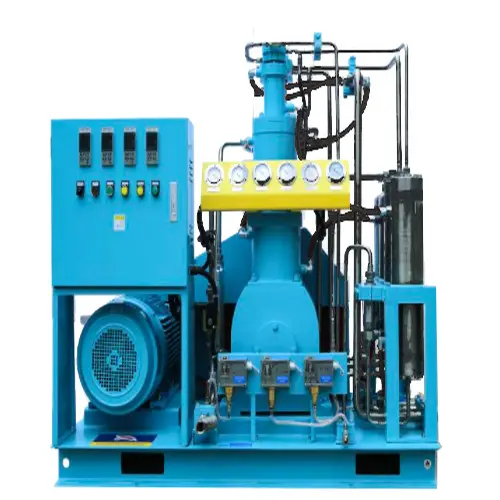
China best Oil Free High Pressure Oxygen Compressor Nitrogen Compressor Booster (Gow-20/4-150 CE Approval) air compressor oil

China Best Oil Free High Pressure Oxygen Compressor Nitrogen Compressor Booster (Gow-20/4-150 CE Approval) Air Compressor Oil

Product Description

The Oil Free High Pressure Oxygen Compressor Nitrogen Compressor Booster (Gow-20/4-150 CE Approval) is a four-stage compression, completely oil-free compressor. It operates at low noise levels, lower than 75db, meeting medical standards. The compressor has a long service life and simple operation, making it easy for employees to operate after simple training.

There are two types of cooling available for this oilless reciprocating piston type high-pressure oxygen compressor: air cooling and water cooling. It comes in single acting and double acting types, with different structural variations such as vertical and angle types. This series of high-pressure oilless oxygen compressors offer excellent performance, stable operation, high efficiency, energy conservation, and long service life. They are widely used for oxygen cylinder filling, chemical processes, and plateau oxygen supply. When used with an oxygen making machine, it forms a simple and safe high-pressure oxygen system.

The friction pair of this series compressor involved in gas compression does not use thin oil lubrication. The friction seals, such as piston ring and guide ring, are made of special materials with self-lubricating properties. The advantages of this compressor are:

  1. No thin oil lubrication in the whole compression system, ensuring the safe use of the compressor with high-pressure and high-purity oxygen gas.
  2. Simple structure, convenient control, and easy operation.
  3. No oil pollution to the compressed medium – oxygen gas, ensuring consistent purity of the oxygen gas at the inlet and outlet of the compressor.

Oxygen Compressor Specifications

  • For Cylinder Filling
  • Capacity: 1-300Nm3/h
  • Inlet pressure: 0.3-0.4Mpa
  • Discharge pressure: 15/20Mpa
  • Power: 2.5-90kw
  • The compressor inlet is equipped with a Y-filter; The compressor adopts packing seal.
  • The maximum average speed of the piston is 0.5 m/s, and the crankshaft speed is 190 r/min.
  • The compressor valve adopts reed valve, and the valve material is imported Swedish steel strip to ensure long-term stable work under the effect of alternating stress.
  • The main bearing of the compressor adopts high-quality self-sealing type rolling bearing.

The Integrated Solutions for Medical Gas System

The Medical Gas Supply System Fittings include Zone Valve Box, Gas Regulator Box, and Monitoring Alarm Box.

Zone Valve Box Gas Regulator Box Monitoring Alarm Box

1. Used to control the on and off of medical gases in the area.

2. 1~6 channels of medical gas can be controlled according to user requirements.

3. Silver and copper welding to prevent leakage.

4. Transparent window for easy operation and maintenance.

5. Each gas is marked with a national standard color for easy identification.

1. Used to provide a pressure-stable source of gas for the clinic.

2. With dual circuit design, it can be maintained without stopping the gas.

3. Use a large flow reducer to ensure pressure stability.

4. Emergency door lock device to close the valve in an emergency.

5. Transparent window for easy operation and maintenance.

1. Monitor the pressure of the gas supply and alarm when the pressure is too high or too low.

2. Monitor the moisture content, oxygen concentration, and CO content in oxygen, giving alarms against any deviation from the standard set value. It also has powerful data post-processing and remote data transfer functions.

Medical Gas Supply System Gas Management

The pressure monitoring alarm box is used to monitor the pipeline pressure of the medical center air supply system and respond to pressure changes through a digital microprocessor. When the pressure is higher or lower than the set value, the system will automatically alarm by sound and light, etc., to remind the management to timely process the medical center air supply system.

Comprehensive data collection allows monitoring of the source gases and gas-consuming areas in the hospital. Central

Performance Characteristics of Oxygen Compressors

1. High Compression Efficiency

Oxygen compressors are designed to efficiently compress oxygen gas, ensuring maximum output and performance. The compression process is carefully engineered to minimize energy consumption while maintaining high compression ratios.

2. Reliable Operation

These compressors are built to provide dependable and consistent operation. By utilizing advanced technology and robust construction, they offer reliable performance even in demanding environments. This ensures continuous and uninterrupted oxygen supply.

3. Compact and Space-Saving

Oxygen compressors are designed to be compact and space-saving. Their small footprint allows for easy installation in various settings, making them suitable for both small-scale and large-scale applications.

4. Low Noise and Vibration

Efforts have been made to reduce noise and vibration during the operation of oxygen compressors. By incorporating soundproofing materials and effective vibration dampening systems, they provide a quieter and more comfortable working environment.

5. Precise Control and Monitoring

Modern oxygen compressors are equipped with advanced control and monitoring systems. These enable precise adjustment of compression parameters and real-time monitoring of key performance indicators, ensuring optimal operation and efficiency.

Types and Characteristics of Oxygen Compressors

1. Piston Compressors

Piston compressors utilize reciprocating motion to compress oxygen gas. They are known for their high compression ratios and are suitable for applications requiring higher pressure output. These compressors can handle a wide range of oxygen flow rates and are often used in industrial and medical settings.

2. Rotary Screw Compressors

Rotary screw compressors use a pair of intermeshing screws to compress oxygen gas. They offer a continuous and smooth operation, making them ideal for applications requiring a constant supply of compressed oxygen. These compressors are widely used in industries such as oxygen generation systems and environmental applications.

3. Scroll Compressors

Scroll compressors utilize two spiral-shaped scrolls to compress oxygen gas. They are compact, lightweight, and known for their quiet operation. These compressors are commonly used in portable oxygen concentrators and medical devices due to their efficiency and reliability.

Advantages of Oxygen Compressors Made of Different Materials

1. Aluminum Alloy

Oxygen compressors made of aluminum alloy offer excellent corrosion resistance and lightweight properties. They are suitable for portable and mobile applications, providing convenience and ease of transportation.

2. Stainless Steel

Oxygen compressors constructed with stainless steel provide superior durability and resistance to harsh environments. They are commonly used in industrial applications where corrosion resistance and longevity are essential.

3. Titanium Alloy

Titanium alloy oxygen compressors are highly regarded for their exceptional strength, low weight, and excellent corrosion resistance. They are often utilized in aerospace and medical industries where high performance and reliability are crucial.

Application of Oxygen Compressors

Oxygen compressors find valuable applications in various fields, including:

Oxygen Therapy

Oxygen compressors play a vital role in delivering concentrated oxygen to patients for therapeutic purposes. They ensure a steady supply of oxygen for individuals with respiratory conditions, promoting better health and well-being.

Oxygen Generation Systems

These compressors are integral components of oxygen generation systems, which produce oxygen from ambient air. They enable the efficient compression of oxygen gas, allowing for its storage and distribution to meet diverse industrial needs.

Medical Applications

In medical settings, oxygen compressors are used for various applications, such as anesthesia, respiratory support, and surgical procedures. Their reliability and performance are essential for maintaining patient safety and providing precise oxygen delivery.

Industrial Applications

Industries utilize oxygen compressors for applications like metal cutting, welding, and chemical processing. The compressors ensure a constant and reliable supply of compressed oxygen, enhancing productivity and efficiency.

Environmental Applications

Oxygen compressors are employed in environmental applications such as water treatment and waste management. They facilitate processes that require the use of oxygen, contributing to effective and sustainable environmental practices.

Safety-Related Purposes

Oxygen compressors are critical for safety-related purposes, including firefighting, emergency response, and hazardous gas detection and control. They provide the necessary oxygen supply for ensuring the safety and well-being of individuals in critical situations.

Future Development Trends and Opportunities

The future of oxygen compressor products holds exciting prospects for innovation and advancement. Some key trends and opportunities include:

1. Enhanced Energy Efficiency

Continued research and development efforts aim to improve the energy efficiency of oxygen compressors. This will help reduce energy consumption, operating costs, and environmental impact.

2. Integration of IoT Technology

The integration of Internet of Things (IoT) technology can enable remote monitoring and control of oxygen compressor systems. This connectivity enhances efficiency, predictive maintenance, and performance optimization.

3. Focus on Sustainable Solutions

The industry is shifting towards more sustainable solutions, including the use of renewable energy sources and eco-friendly materials. This focus on sustainability presents opportunities for the development of greener oxygen compressor technologies.

Choosing a Suitable Oxygen Compressor

When selecting an oxygen compressor, consider the following aspects:

1. Clear Requirements

Clearly define your specific requirements, including the desired oxygen flow rate, pressure levels, and application needs. This will help you choose a compressor that meets your specific demands.

2. Material Selection

Evaluate the materials used in the construction of the compressor. Consider factors such as corrosion resistance, durability, and suitability for the intended environment.

3. Design Optimization

Optimized compressor designs can offer improved efficiency, reduced noise, and better performance. Consider compressors with advanced design features that align with your requirements.

4. Suppliers and After-Sales Service

Choose reputable suppliers who provide quality products and reliable after-sales service. This ensures timely support, maintenance, and spare parts availability.

5. Cost-Effectiveness and Quality Control

Evaluate the overall cost-effectiveness of the compressor, considering factors such as initial investment, operational costs, and maintenance requirements. Additionally, ensure that the compressor undergoes rigorous quality control measures to guarantee its performance and longevity.

Author: Dream

China Standard High Pressure Cylinder Filling Oil Free Oxygen Booster Compressor for Oxygen Concentrator air compressor CHINAMFG freight

China Standard High Pressure Cylinder Filling Oil Free Oxygen Booster Compressor for Oxygen Concentrator air compressor

The China Standard High Pressure Cylinder Filling Oil Free Oxygen Booster Compressor is designed and produced to meet industry standards for safety, reliability, and performance. Our company strictly adheres to these standards and even surpasses national requirements with our internal specifications.

Product Description

The High Pressure cylinder filling oil free oxygen booster compressor is specifically designed with safety and performance in mind. We prioritize the selection of high-quality materials to ensure the longevity and safety of the machine. The design concept focuses on low speed and heavy load, resulting in low noise and minimal vibrations.

Product Parameters

Oxygen Booster Technical Specification
Medium Oxygen QTY
Inlet Pressure (G) 4bar Inlet Temperature ≤ 40ºC
Outlet Pressure 150 or 200 bar Outlet Temperature (after cooling) ≤ 50ºC
Flow rate 10Nm3/h Piston Stroke 90 mm
Model WWZ-10 /4-150/ 200 Number of compression stage 3
Instructure W Number of cylinder 3
Cooling Way Air Voltage 400 V
Total power rate 5KW 380V 50Hz
Dimension 1000*800*1000mm (estimated) Weight 400kg (estimated)
Drive way belt
Material of main parts(touch with gas) Cylinder Stainless carbon
Valve Stainless carbon
Pipe,Chiller Stainless carbon
Delivery Within 20 days from the date of receiving the down payment

FAQ

1. How can I get a prompt quotation?

When submitting an inquiry, please provide the following technical information:

  • Flow rate (Capacity): _____Nm3/hr
  • Inlet Pressure: ____Bar
  • Discharge pressure: _____Bar
  • Voltages and Frequency: ______V/___/HZ 3 phase
  • Medium (usage):

2. Are your products original spare parts?

No, our products are replacement parts that perfectly fit the original spare parts. If you require original spare parts, please contact the original supplier or factory.

3. Can your products be customized?

Yes, we welcome customization of drawings and samples from our customers.

4. What is the delivery time for your products?

We can deliver within 20 days from the date of receiving the down payment.

5. What industries can the China Standard High Pressure Cylinder Filling Oil Free Oxygen Booster Compressor be used in?

Our compressor can be widely used in industries such as petroleum, oil & gas, chemicals, electronics, metallurgy, coals, pharmaceuticals, aerospace, autos, glass, plastics, food, medical treatment, and grain.

All content on this page is sourced from the Internet and is provided for reference purposes only. Our products are replacement parts and not original spare parts. For original spare parts, please contact the respective suppliers or manufacturers.

Other Product Businesses

EVER-POWER GROUP specializes in supplying various industrial products, including:

  • Agricultural gearboxes
  • Power output shafts
  • Sprockets
  • Fluid couplings
  • Worm gear reducers
  • Gears and racks
  • Roller chains
  • Pulleys and pulleys
  • Planetary gearboxes
  • Timing pulleys
  • Bushings

We prioritize promoting our high-quality products, competitive prices, and excellent customer service. Customization is available for drawings and samples. Contact us for a quote today!

Performance Characteristics of Oxygen Compressors

1. High Compression Efficiency

Oxygen compressors are designed to efficiently compress oxygen gas, ensuring maximum output and performance. The compression process is carefully engineered to minimize energy consumption while maintaining high compression ratios.

2. Reliable Operation

These compressors are built to provide dependable and consistent operation. By utilizing advanced technology and robust construction, they offer reliable performance even in demanding environments. This ensures continuous and uninterrupted oxygen supply.

3. Compact and Space-Saving

Oxygen compressors are designed to be compact and space-saving. Their small footprint allows for easy installation in various settings, making them suitable for both small-scale and large-scale applications.

4. Low Noise and Vibration

Efforts have been made to reduce noise and vibration during the operation of oxygen compressors. By incorporating soundproofing materials and effective vibration dampening systems, they provide a quieter and more comfortable working environment.

5. Precise Control and Monitoring

Modern oxygen compressors are equipped with advanced control and monitoring systems. These enable precise adjustment of compression parameters and real-time monitoring of key performance indicators, ensuring optimal operation and efficiency.

Types and Characteristics of Oxygen Compressors

1. Piston Compressors

Piston compressors utilize reciprocating motion to compress oxygen gas. They are known for their high compression ratios and are suitable for applications requiring higher pressure output. These compressors can handle a wide range of oxygen flow rates and are often used in industrial and medical settings.

2. Rotary Screw Compressors

Rotary screw compressors use a pair of intermeshing screws to compress oxygen gas. They offer a continuous and smooth operation, making them ideal for applications requiring a constant supply of compressed oxygen. These compressors are widely used in industries such as oxygen generation systems and environmental applications.

3. Scroll Compressors

Scroll compressors utilize two spiral-shaped scrolls to compress oxygen gas. They are compact, lightweight, and known for their quiet operation. These compressors are commonly used in portable oxygen concentrators and medical devices due to their efficiency and reliability.

Advantages of Oxygen Compressors Made of Different Materials

1. Aluminum Alloy

Oxygen compressors made of aluminum alloy offer excellent corrosion resistance and lightweight properties. They are suitable for portable and mobile applications, providing convenience and ease of transportation.

2. Stainless Steel

Oxygen compressors constructed with stainless steel provide superior durability and resistance to harsh environments. They are commonly used in industrial applications where corrosion resistance and longevity are essential.

3. Titanium Alloy

Titanium alloy oxygen compressors are highly regarded for their exceptional strength, low weight, and excellent corrosion resistance. They are often utilized in aerospace and medical industries where high performance and reliability are crucial.

Application of Oxygen Compressors

Oxygen compressors find valuable applications in various fields, including:

Oxygen Therapy

Oxygen compressors play a vital role in delivering concentrated oxygen to patients for therapeutic purposes. They ensure a steady supply of oxygen for individuals with respiratory conditions, promoting better health and well-being.

Oxygen Generation Systems

These compressors are integral components of oxygen generation systems, which produce oxygen from ambient air. They enable the efficient compression of oxygen gas, allowing for its storage and distribution to meet diverse industrial needs.

Medical Applications

In medical settings, oxygen compressors are used for various applications, such as anesthesia, respiratory support, and surgical procedures. Their reliability and performance are essential for maintaining patient safety and providing precise oxygen delivery.

Industrial Applications

Industries utilize oxygen compressors for applications like metal cutting, welding, and chemical processing. The compressors ensure a constant and reliable supply of compressed oxygen, enhancing productivity and efficiency.

Environmental Applications

Oxygen compressors are employed in environmental applications such as water treatment and waste management. They facilitate processes that require the use of oxygen, contributing to effective and sustainable environmental practices.

Safety-Related Purposes

Oxygen compressors are critical for safety-related purposes, including firefighting, emergency response, and hazardous gas detection and control. They provide the necessary oxygen supply for ensuring the safety and well-being of individuals in critical situations.

Future Development Trends and Opportunities

The future of oxygen compressor products holds exciting prospects for innovation and advancement. Some key trends and opportunities include:

1. Enhanced Energy Efficiency

Continued research and development efforts aim to improve the energy efficiency of oxygen compressors. This will help reduce energy consumption, operating costs, and environmental impact.

2. Integration of IoT Technology

The integration of Internet of Things (IoT) technology can enable remote monitoring and control of oxygen compressor systems. This connectivity enhances efficiency, predictive maintenance, and performance optimization.

3. Focus on Sustainable Solutions

The industry is shifting towards more sustainable solutions, including the use of renewable energy sources and eco-friendly materials. This focus on sustainability presents opportunities for the development of greener oxygen compressor technologies.

Choosing a Suitable Oxygen Compressor

When selecting an oxygen compressor, consider the following aspects:

1. Clear Requirements

Clearly define your specific requirements, including the desired oxygen flow rate, pressure levels, and application needs. This will help you choose a compressor that meets your specific demands.

2. Material Selection

Evaluate the materials used in the construction of the compressor. Consider factors such as corrosion resistance, durability, and suitability for the intended environment.

3. Design Optimization

Optimized compressor designs can offer improved efficiency, reduced noise, and better performance. Consider compressors with advanced design features that align with your requirements.

4. Suppliers and After-Sales Service

Choose reputable suppliers who provide quality products and reliable after-sales service. This ensures timely support, maintenance, and spare parts availability.

5. Cost-Effectiveness and Quality Control

Evaluate the overall cost-effectiveness of the compressor, considering factors such as initial investment, operational costs, and maintenance requirements. Additionally, ensure that the compressor undergoes rigorous quality control measures to guarantee its performance and longevity.

Author: Dream

China Hot selling High Pressure Oil Free Oxygen Compressor with 3 Stages with Good quality

China Hot Selling High Pressure Oil Free Oxygen Compressor with 3 Stages

The China Hot Selling High Pressure Oil Free Oxygen Compressor with 3 Stages is a high-quality compressor designed to provide oil-free and lubricated oxygen for various applications. With its three-stage compression system, it ensures efficient and reliable performance. This compressor is suitable for compressing dry non-granular oxygen for pressurization or storage.

Product Description

The High Pressure Oil Free Oxygen Compressor features a compact and durable design, making it suitable for industrial use. It is equipped with a powerful motor with a power rating of 15 kW, ensuring optimal performance. The compressor has a rated flow of 30 Nm³/h (standard state) and an intake air temperature of ≤40ºC.

It has a maximum inlet pressure of 0.4 MPa and can deliver compressed oxygen at an exhaust pressure of 20 MPa. The outlet pressure/temperature is 200 kg/50ºC. The compressor has a bore * quantity of Φ90+φ50+φ30 and a rotating speed of 470 r/min.

For cooling, the compressor utilizes both air cooling and water cooling systems with self-circulation. It features oil-free lubrication, ensuring clean and particle-free compressed oxygen. The compression system consists of three stages, providing efficient and reliable compression.

The High Pressure Oil Free Oxygen Compressor has an angle type, W type, single unit structure, which ensures stability and durability. It is equipped with a belt drive for efficient power transmission. The installation type is basic, and its dimensions are 1350*1000*1150 mm. The compressor weighs approximately 450 kg.

Working Principle and Technical Parameters

1. Working principle:

1.1 The compressor is a reciprocating, piston-type compressor with a middle body and cross head design. It utilizes a combination of air cooling and water cooling for efficient operation. The compressor is oil-free and lubricated, ensuring clean and pure compressed oxygen.

1.2 When the compressor is in operation, the motor drives the crankshaft through a v-belt, causing the piston to move back and forth. This movement changes the volume of the cylinder, resulting in a change in gas pressure. The compressor uses a one-way valve, inlet ball valve, exhaust globe valve, cooling water pump, and flow meter for efficient gas compression and delivery.

1.3 The gas in the pressure state is drawn into the cylinder through the inlet valve block, inlet solenoid valve, and inlet pipe. It undergoes three stages of compression, resulting in the desired pressure. The compressed gas is then discharged through the one-way valve, pipeline, and exhaust valve block for use.

1.4 The compressor is equipped with intercoolers between the stages to ensure optimal cooling and efficiency.

2. This product is suitable for:

The High Pressure Oil Free Oxygen Compressor is suitable for compressing dry non-granular oxygen for pressurization or storage in various applications.

3. Basic technical parameters:

– Rated flow (standard state): 30 Nm³/h

– Intake air temperature: ≤40ºC

– Inlet pressure: 0.4 MPa

– Exhaust pressure: 20 MPa

– Outlet pressure/temperature: 200 kg/50ºC

– Bore * Quantity: Φ90+φ50+φ30

– Rotating speed: 470 r/min

– Cooling way: Air cooling + water cooling (with self-circulation)

– Lubrication way: Oil-free lubrication

– Compression stages: 3 stages

– Structure type: Angle type, W type, single unit

– Motor power: 15 kW

– Electric system: AC380V, Three-phase, 50Hz

– Insulation class: Level B

– Protection level: IP44

– Start method: Direct start

– Transfer method: Belt drive

– Installation type: Basic type

– Noise level (dB(A)): ≤80

– Control way: PLC touch screen control

– Import and export size: Rc1/2, Rc5/8

– Dimensions (L×W×H): 1350*1000*1150 mm

– Weight: ≈450 kg

Packaging & Shipping

The High Pressure Oil Free Oxygen Compressor is carefully packaged to ensure safe transportation. It is shipped to customers using reliable shipping methods to ensure prompt delivery.

Certifications

The High Pressure Oil Free Oxygen Compressor is certified by recognized authorities for its quality and performance. It meets all relevant industry standards and regulations.

FAQ

1. How can I choose the most suitable product?

A: To choose the most suitable product, please provide your specifications, and we will recommend the best model for you. You can also send us your product drawings, and we will select the most suitable product based on your requirements.

2. Can you produce according to the sample?

A: Yes, we can produce according to samples or technical drawings provided by customers.

3. What is your sample policy?

A: If we have off-the-shelf parts, we can provide samples. However, customers need to cover the sample cost and

Performance Characteristics of Oxygen Compressors

1. High Compression Efficiency

Oxygen compressors are designed to efficiently compress oxygen gas, ensuring maximum output and performance. The compression process is carefully engineered to minimize energy consumption while maintaining high compression ratios.

2. Reliable Operation

These compressors are built to provide dependable and consistent operation. By utilizing advanced technology and robust construction, they offer reliable performance even in demanding environments. This ensures continuous and uninterrupted oxygen supply.

3. Compact and Space-Saving

Oxygen compressors are designed to be compact and space-saving. Their small footprint allows for easy installation in various settings, making them suitable for both small-scale and large-scale applications.

4. Low Noise and Vibration

Efforts have been made to reduce noise and vibration during the operation of oxygen compressors. By incorporating soundproofing materials and effective vibration dampening systems, they provide a quieter and more comfortable working environment.

5. Precise Control and Monitoring

Modern oxygen compressors are equipped with advanced control and monitoring systems. These enable precise adjustment of compression parameters and real-time monitoring of key performance indicators, ensuring optimal operation and efficiency.

Types and Characteristics of Oxygen Compressors

1. Piston Compressors

Piston compressors utilize reciprocating motion to compress oxygen gas. They are known for their high compression ratios and are suitable for applications requiring higher pressure output. These compressors can handle a wide range of oxygen flow rates and are often used in industrial and medical settings.

2. Rotary Screw Compressors

Rotary screw compressors use a pair of intermeshing screws to compress oxygen gas. They offer a continuous and smooth operation, making them ideal for applications requiring a constant supply of compressed oxygen. These compressors are widely used in industries such as oxygen generation systems and environmental applications.

3. Scroll Compressors

Scroll compressors utilize two spiral-shaped scrolls to compress oxygen gas. They are compact, lightweight, and known for their quiet operation. These compressors are commonly used in portable oxygen concentrators and medical devices due to their efficiency and reliability.

Advantages of Oxygen Compressors Made of Different Materials

1. Aluminum Alloy

Oxygen compressors made of aluminum alloy offer excellent corrosion resistance and lightweight properties. They are suitable for portable and mobile applications, providing convenience and ease of transportation.

2. Stainless Steel

Oxygen compressors constructed with stainless steel provide superior durability and resistance to harsh environments. They are commonly used in industrial applications where corrosion resistance and longevity are essential.

3. Titanium Alloy

Titanium alloy oxygen compressors are highly regarded for their exceptional strength, low weight, and excellent corrosion resistance. They are often utilized in aerospace and medical industries where high performance and reliability are crucial.

Application of Oxygen Compressors

Oxygen compressors find valuable applications in various fields, including:

Oxygen Therapy

Oxygen compressors play a vital role in delivering concentrated oxygen to patients for therapeutic purposes. They ensure a steady supply of oxygen for individuals with respiratory conditions, promoting better health and well-being.

Oxygen Generation Systems

These compressors are integral components of oxygen generation systems, which produce oxygen from ambient air. They enable the efficient compression of oxygen gas, allowing for its storage and distribution to meet diverse industrial needs.

Medical Applications

In medical settings, oxygen compressors are used for various applications, such as anesthesia, respiratory support, and surgical procedures. Their reliability and performance are essential for maintaining patient safety and providing precise oxygen delivery.

Industrial Applications

Industries utilize oxygen compressors for applications like metal cutting, welding, and chemical processing. The compressors ensure a constant and reliable supply of compressed oxygen, enhancing productivity and efficiency.

Environmental Applications

Oxygen compressors are employed in environmental applications such as water treatment and waste management. They facilitate processes that require the use of oxygen, contributing to effective and sustainable environmental practices.

Safety-Related Purposes

Oxygen compressors are critical for safety-related purposes, including firefighting, emergency response, and hazardous gas detection and control. They provide the necessary oxygen supply for ensuring the safety and well-being of individuals in critical situations.

Future Development Trends and Opportunities

The future of oxygen compressor products holds exciting prospects for innovation and advancement. Some key trends and opportunities include:

1. Enhanced Energy Efficiency

Continued research and development efforts aim to improve the energy efficiency of oxygen compressors. This will help reduce energy consumption, operating costs, and environmental impact.

2. Integration of IoT Technology

The integration of Internet of Things (IoT) technology can enable remote monitoring and control of oxygen compressor systems. This connectivity enhances efficiency, predictive maintenance, and performance optimization.

3. Focus on Sustainable Solutions

The industry is shifting towards more sustainable solutions, including the use of renewable energy sources and eco-friendly materials. This focus on sustainability presents opportunities for the development of greener oxygen compressor technologies.

Choosing a Suitable Oxygen Compressor

When selecting an oxygen compressor, consider the following aspects:

1. Clear Requirements

Clearly define your specific requirements, including the desired oxygen flow rate, pressure levels, and application needs. This will help you choose a compressor that meets your specific demands.

2. Material Selection

Evaluate the materials used in the construction of the compressor. Consider factors such as corrosion resistance, durability, and suitability for the intended environment.

3. Design Optimization

Optimized compressor designs can offer improved efficiency, reduced noise, and better performance. Consider compressors with advanced design features that align with your requirements.

4. Suppliers and After-Sales Service

Choose reputable suppliers who provide quality products and reliable after-sales service. This ensures timely support, maintenance, and spare parts availability.

5. Cost-Effectiveness and Quality Control

Evaluate the overall cost-effectiveness of the compressor, considering factors such as initial investment, operational costs, and maintenance requirements. Additionally, ensure that the compressor undergoes rigorous quality control measures to guarantee its performance and longevity.

Author: Dream

China high quality 2022 New Arrival Factory Manufacturer Oil Free Air Compressor Oxygen Compressor lowes air compressor

China High Quality 2022 New Arrival Factory Manufacturer Oil Free Air Compressor Oxygen Compressor Lowes Air Compressor

Introducing our high-quality oil-free oilless high-pressure reciprocating compressor. This compressor offers many advantages:

  • Totally 100% oil-free, no need for oil
  • Suitable for oxygen, hydrogen, nitrogen, helium, argon, CNG, and special gas
  • No pollution, maintains the same purity as the inlet gas
  • Reliable and top quality, comparable with the USA RIX brand
  • Excellent cost performance, low maintenance cost, and easy operation
  • Long working life of 4000 hours for the piston ring, 1500-2000 hours for the final stage ring
  • Equipped with top brand motors, such as Siemens
  • Approved by Japan’s strict quality system
  • CE approved

Product Specifications

<

Performance Characteristics of Oxygen Compressors

1. High Compression Efficiency

Oxygen compressors are designed to efficiently compress oxygen gas, ensuring maximum output and performance. The compression process is carefully engineered to minimize energy consumption while maintaining high compression ratios.

2. Reliable Operation

These compressors are built to provide dependable and consistent operation. By utilizing advanced technology and robust construction, they offer reliable performance even in demanding environments. This ensures continuous and uninterrupted oxygen supply.

3. Compact and Space-Saving

Oxygen compressors are designed to be compact and space-saving. Their small footprint allows for easy installation in various settings, making them suitable for both small-scale and large-scale applications.

4. Low Noise and Vibration

Efforts have been made to reduce noise and vibration during the operation of oxygen compressors. By incorporating soundproofing materials and effective vibration dampening systems, they provide a quieter and more comfortable working environment.

5. Precise Control and Monitoring

Modern oxygen compressors are equipped with advanced control and monitoring systems. These enable precise adjustment of compression parameters and real-time monitoring of key performance indicators, ensuring optimal operation and efficiency.

Types and Characteristics of Oxygen Compressors

1. Piston Compressors

Piston compressors utilize reciprocating motion to compress oxygen gas. They are known for their high compression ratios and are suitable for applications requiring higher pressure output. These compressors can handle a wide range of oxygen flow rates and are often used in industrial and medical settings.

2. Rotary Screw Compressors

Rotary screw compressors use a pair of intermeshing screws to compress oxygen gas. They offer a continuous and smooth operation, making them ideal for applications requiring a constant supply of compressed oxygen. These compressors are widely used in industries such as oxygen generation systems and environmental applications.

3. Scroll Compressors

Scroll compressors utilize two spiral-shaped scrolls to compress oxygen gas. They are compact, lightweight, and known for their quiet operation. These compressors are commonly used in portable oxygen concentrators and medical devices due to their efficiency and reliability.

Advantages of Oxygen Compressors Made of Different Materials

1. Aluminum Alloy

Oxygen compressors made of aluminum alloy offer excellent corrosion resistance and lightweight properties. They are suitable for portable and mobile applications, providing convenience and ease of transportation.

2. Stainless Steel

Oxygen compressors constructed with stainless steel provide superior durability and resistance to harsh environments. They are commonly used in industrial applications where corrosion resistance and longevity are essential.

3. Titanium Alloy

Titanium alloy oxygen compressors are highly regarded for their exceptional strength, low weight, and excellent corrosion resistance. They are often utilized in aerospace and medical industries where high performance and reliability are crucial.

Application of Oxygen Compressors

Oxygen compressors find valuable applications in various fields, including:

Oxygen Therapy

Oxygen compressors play a vital role in delivering concentrated oxygen to patients for therapeutic purposes. They ensure a steady supply of oxygen for individuals with respiratory conditions, promoting better health and well-being.

Oxygen Generation Systems

These compressors are integral components of oxygen generation systems, which produce oxygen from ambient air. They enable the efficient compression of oxygen gas, allowing for its storage and distribution to meet diverse industrial needs.

Medical Applications

In medical settings, oxygen compressors are used for various applications, such as anesthesia, respiratory support, and surgical procedures. Their reliability and performance are essential for maintaining patient safety and providing precise oxygen delivery.

Industrial Applications

Industries utilize oxygen compressors for applications like metal cutting, welding, and chemical processing. The compressors ensure a constant and reliable supply of compressed oxygen, enhancing productivity and efficiency.

Environmental Applications

Oxygen compressors are employed in environmental applications such as water treatment and waste management. They facilitate processes that require the use of oxygen, contributing to effective and sustainable environmental practices.

Safety-Related Purposes

Oxygen compressors are critical for safety-related purposes, including firefighting, emergency response, and hazardous gas detection and control. They provide the necessary oxygen supply for ensuring the safety and well-being of individuals in critical situations.

Future Development Trends and Opportunities

The future of oxygen compressor products holds exciting prospects for innovation and advancement. Some key trends and opportunities include:

1. Enhanced Energy Efficiency

Continued research and development efforts aim to improve the energy efficiency of oxygen compressors. This will help reduce energy consumption, operating costs, and environmental impact.

2. Integration of IoT Technology

The integration of Internet of Things (IoT) technology can enable remote monitoring and control of oxygen compressor systems. This connectivity enhances efficiency, predictive maintenance, and performance optimization.

3. Focus on Sustainable Solutions

The industry is shifting towards more sustainable solutions, including the use of renewable energy sources and eco-friendly materials. This focus on sustainability presents opportunities for the development of greener oxygen compressor technologies.

Choosing a Suitable Oxygen Compressor

When selecting an oxygen compressor, consider the following aspects:

1. Clear Requirements

Clearly define your specific requirements, including the desired oxygen flow rate, pressure levels, and application needs. This will help you choose a compressor that meets your specific demands.

2. Material Selection

Evaluate the materials used in the construction of the compressor. Consider factors such as corrosion resistance, durability, and suitability for the intended environment.

3. Design Optimization

Optimized compressor designs can offer improved efficiency, reduced noise, and better performance. Consider compressors with advanced design features that align with your requirements.

4. Suppliers and After-Sales Service

Choose reputable suppliers who provide quality products and reliable after-sales service. This ensures timely support, maintenance, and spare parts availability.

5. Cost-Effectiveness and Quality Control

Evaluate the overall cost-effectiveness of the compressor, considering factors such as initial investment, operational costs, and maintenance requirements. Additionally, ensure that the compressor undergoes rigorous quality control measures to guarantee its performance and longevity.

Author: Dream

China wholesaler Industrial Variable Frequency Drive VSD/VFD Inverter Dry Electric Direct Driven (no oil ) Oil-Free Silent Oxygen Screw Air Compressor for medical air compressor portable

China Wholesaler Industrial Variable Frequency Drive VSD/VFD Inverter Dry Electric Direct Driven (No Oil) Oil-Free Silent Oxygen Screw Air Compressor for Medical Air Compressor Portable

Product Description

The Industrial Silent/Mute Medical Dry Oil Free Oilless Direct Drive Rotary Double Screw Type Air Compressor is designed with several advantages:

  • Clean air
  • High-quality construction
  • No oil needed
  • Silent operation
  • Portable and suitable for medical use

Advantages of the Industrial Silent/Mute Medical Dry Oil Free Oilless Direct Drive Rotary Double Screw Type Air Compressor

The Industrial Silent/Mute Medical Dry Oil Free Oilless Direct Drive Rotary Double Screw Type Air Compressor offers the following advantages:

  1. Clean Air: Our air compressor provides clean and pure air, ensuring the highest quality for medical applications.
  2. High-Quality Construction: The air compressor is manufactured using advanced technology and high-quality materials, ensuring durability and reliability.
  3. No Oil Needed: Our air compressor operates without the need for oil, reducing maintenance requirements and eliminating the risk of oil contamination.
  4. Silent Operation: The air compressor is designed for silent operation, ensuring a quiet working environment.
  5. Portable and Suitable for Medical Use: The air compressor is portable and specifically designed for medical applications, making it convenient and reliable for medical professionals.

Frequently Asked Questions (FAQs)

  1. Q: What is the warranty for the air compressor?
    A: The air compressor comes with a two-year warranty, and we also provide technical support tailored to your needs.
  2. Q: Will spare parts be provided with the air compressor?
    A: Yes, we offer spare parts for the air compressor.
  3. Q: How long does it take to arrange production and delivery?
    A: For the 380V 50HZ model, we can deliver the goods within 10 days. For other electrical specifications or colors, the delivery time is within 22 days.
  4. Q: Do you accept OEM orders?
    A: Yes, we have a professional design team that welcomes OEM orders.
  5. Q: Can I customize the air compressor based on my requirements?
    A: Yes, we welcome customization requests for drawings and samples.

Please note: All content on this page is sourced from the internet and is provided solely as a reference for product selection. Our products are replacement parts and not original spare parts. We do not hold the original trademark for the content. Our replacement parts perfectly fit the original spare parts. If you require original spare parts, please contact the original manufacturer or supplier.

About EVER-POWER GROUP:

EVER-POWER GROUP is a leading supplier of various industrial products, including agricultural gearboxes, power output shafts, sprockets, fluid couplings, worm gear reducers, gears and racks, roller chains, pulleys, planetary gearboxes, timing pulleys, and bushings. We are committed to providing high-quality products, competitive prices, and excellent customer service. We welcome customers to customize drawings and samples to meet their specific requirements.

Performance Characteristics of Oxygen Compressors

1. High Compression Efficiency

Oxygen compressors are designed to efficiently compress oxygen gas, ensuring maximum output and performance. The compression process is carefully engineered to minimize energy consumption while maintaining high compression ratios.

2. Reliable Operation

These compressors are built to provide dependable and consistent operation. By utilizing advanced technology and robust construction, they offer reliable performance even in demanding environments. This ensures continuous and uninterrupted oxygen supply.

3. Compact and Space-Saving

Oxygen compressors are designed to be compact and space-saving. Their small footprint allows for easy installation in various settings, making them suitable for both small-scale and large-scale applications.

4. Low Noise and Vibration

Efforts have been made to reduce noise and vibration during the operation of oxygen compressors. By incorporating soundproofing materials and effective vibration dampening systems, they provide a quieter and more comfortable working environment.

5. Precise Control and Monitoring

Modern oxygen compressors are equipped with advanced control and monitoring systems. These enable precise adjustment of compression parameters and real-time monitoring of key performance indicators, ensuring optimal operation and efficiency.

Types and Characteristics of Oxygen Compressors

1. Piston Compressors

Piston compressors utilize reciprocating motion to compress oxygen gas. They are known for their high compression ratios and are suitable for applications requiring higher pressure output. These compressors can handle a wide range of oxygen flow rates and are often used in industrial and medical settings.

2. Rotary Screw Compressors

Rotary screw compressors use a pair of intermeshing screws to compress oxygen gas. They offer a continuous and smooth operation, making them ideal for applications requiring a constant supply of compressed oxygen. These compressors are widely used in industries such as oxygen generation systems and environmental applications.

3. Scroll Compressors

Scroll compressors utilize two spiral-shaped scrolls to compress oxygen gas. They are compact, lightweight, and known for their quiet operation. These compressors are commonly used in portable oxygen concentrators and medical devices due to their efficiency and reliability.

Advantages of Oxygen Compressors Made of Different Materials

1. Aluminum Alloy

Oxygen compressors made of aluminum alloy offer excellent corrosion resistance and lightweight properties. They are suitable for portable and mobile applications, providing convenience and ease of transportation.

2. Stainless Steel

Oxygen compressors constructed with stainless steel provide superior durability and resistance to harsh environments. They are commonly used in industrial applications where corrosion resistance and longevity are essential.

3. Titanium Alloy

Titanium alloy oxygen compressors are highly regarded for their exceptional strength, low weight, and excellent corrosion resistance. They are often utilized in aerospace and medical industries where high performance and reliability are crucial.

Application of Oxygen Compressors

Oxygen compressors find valuable applications in various fields, including:

Oxygen Therapy

Oxygen compressors play a vital role in delivering concentrated oxygen to patients for therapeutic purposes. They ensure a steady supply of oxygen for individuals with respiratory conditions, promoting better health and well-being.

Oxygen Generation Systems

These compressors are integral components of oxygen generation systems, which produce oxygen from ambient air. They enable the efficient compression of oxygen gas, allowing for its storage and distribution to meet diverse industrial needs.

Medical Applications

In medical settings, oxygen compressors are used for various applications, such as anesthesia, respiratory support, and surgical procedures. Their reliability and performance are essential for maintaining patient safety and providing precise oxygen delivery.

Industrial Applications

Industries utilize oxygen compressors for applications like metal cutting, welding, and chemical processing. The compressors ensure a constant and reliable supply of compressed oxygen, enhancing productivity and efficiency.

Environmental Applications

Oxygen compressors are employed in environmental applications such as water treatment and waste management. They facilitate processes that require the use of oxygen, contributing to effective and sustainable environmental practices.

Safety-Related Purposes

Oxygen compressors are critical for safety-related purposes, including firefighting, emergency response, and hazardous gas detection and control. They provide the necessary oxygen supply for ensuring the safety and well-being of individuals in critical situations.

Future Development Trends and Opportunities

The future of oxygen compressor products holds exciting prospects for innovation and advancement. Some key trends and opportunities include:

1. Enhanced Energy Efficiency

Continued research and development efforts aim to improve the energy efficiency of oxygen compressors. This will help reduce energy consumption, operating costs, and environmental impact.

2. Integration of IoT Technology

The integration of Internet of Things (IoT) technology can enable remote monitoring and control of oxygen compressor systems. This connectivity enhances efficiency, predictive maintenance, and performance optimization.

3. Focus on Sustainable Solutions

The industry is shifting towards more sustainable solutions, including the use of renewable energy sources and eco-friendly materials. This focus on sustainability presents opportunities for the development of greener oxygen compressor technologies.

Choosing a Suitable Oxygen Compressor

When selecting an oxygen compressor, consider the following aspects:

1. Clear Requirements

Clearly define your specific requirements, including the desired oxygen flow rate, pressure levels, and application needs. This will help you choose a compressor that meets your specific demands.

2. Material Selection

Evaluate the materials used in the construction of the compressor. Consider factors such as corrosion resistance, durability, and suitability for the intended environment.

3. Design Optimization

Optimized compressor designs can offer improved efficiency, reduced noise, and better performance. Consider compressors with advanced design features that align with your requirements.

4. Suppliers and After-Sales Service

Choose reputable suppliers who provide quality products and reliable after-sales service. This ensures timely support, maintenance, and spare parts availability.

5. Cost-Effectiveness and Quality Control

Evaluate the overall cost-effectiveness of the compressor, considering factors such as initial investment, operational costs, and maintenance requirements. Additionally, ensure that the compressor undergoes rigorous quality control measures to guarantee its performance and longevity.

Author: Dream

China Good quality Fill Oxygen Tank 170bar High Pressure Oil Free Medical O2 Oxygen Compressor supplier

China Good quality Fill Oxygen Tank 170bar High Pressure Oil Free Medical O2 Oxygen Compressor supplier

Product Description

Introducing our high-quality Fill Oxygen Tank 170bar High Pressure Oil Free Medical O2 Oxygen Compressor. This compressor is designed with the following features:

  • Oil free design, ensuring no contact between high temperature and high pressure oxygen and oil
  • Self-lubricating material for guide ring and piston ring, guaranteeing 100% oil-free lubrication
  • High temperature grease lubrication for bearing parts, ensuring safety and avoiding contact with flammable and explosive media
  • Small volume and light weight, making it convenient for transportation
  • Zero pollution to gas during compression process, ensuring gas purity

This compressor is mainly used for filling OXYGEN tank and has the following technical specifications:

Air Cooling Type

Model Capacity (Nm3/h) Inlet Pressure (bar) Exhaust Pressure (bar) Power (kw) Cooling Water (m3/h) Dimension (LXWXH) (mm) Weight (kg)
Gow-15/4-150 15 0.4 150 5.5 1 1600X780X1080 700
Gow-15/4-200 15 0.4 200 7.5 1 1500X780X1080 800
Gow-20/4-150 20 0.4 150 7.5 1 1500X780X1080 800
Gow-20/4-200 20 0.4 200 11 1 1500X780X1080 850
Gow-25/4-150 25 0.4 150 11 1 1930X1150X1450 1800
Gow-30/4-150 30 0.4 150 11 1 2030X1125X1430 1800
Gow-30/4-200 30 0.4 200 15 1.2 2030X1150X1500 2000
Gow-40/4-150 40 0.4 150 15 1.2 2030X1150X1500 2000
Gow-40/4-200 40 0.4 200 18.5 1.2 2030X1150X1500 2100
Gow-50/4-150 50 0.4 150 18.5 1.5 2050X1150X1470 2100
Gow-50/4-200 50 0.4 200 18.5 1.5 2050X1150X1470 2100
Types Volume (Nm3/h) Inlet Pressure (MPa) Outlet Pressure (MPa) Power (KW) Inlet Pipe Size Outlet Pipe Size Size (L*W*H)mm Weight (Kg)
SSO-3/4-170 3 0~0.4 17 3 DN20 M12X1.5 920*820*1100 240
SSO-5/4-170 5 0~0.4 17 4 DN20 M12X1.5 920*820*1100 240
SSO-10/4-170 10 0~0.4 17 5.5 DN25 M14X1.5 1250*920*1000 330
SSO-15/4-170 15 0~0.4 17 7.5 DN25 M14X1.5 1250*920*1000 360
SSO-20/4-170 20 0~0.4 17 11 DN25 M14X1.5 1350*1571*1000 400

Water Cooling Type

Types Volume (Nm3/h) Inlet Pressure (MPa) Outlet Pressure (MPa) Power (KW) Inlet Pipe Size Water Pipe Size Size (L*W*H)mm Weight (Kg)
SSO-30/4-170 30 0~0.4 17 11 DN32/12 RC1/2 1350*1571*1000 430
SSO-50/4-170 50 0~0.4 17 15 DN32/16 RC1/2 1580*1080*1200 520
SSO-65/4-170 65 0~0.4 17 22 DN45/16 RC1 1750X1200X1250 620
SSO-100/4-170 100 0~0.4 17 30 DN57/25 RC1+1/2 2000*1800*1650 1120
SSO-200/4-170 200 0~0.4 17 30*2 DN57/36 RC2 3600*2200*1650 1600

EVER-POWER GROUP

EVER-POWER GROUP is a leading supplier of various industrial products. We specialize in providing agricultural gearboxes, power output shafts, sprockets, fluid couplings, worm gear reducers, gears and racks, roller chains, pulleys and pulleys, planetary gearboxes, timing pulleys, bushings, and much more. Our products are known for their high quality, affordable prices, and exceptional customer service. We offer customization options for drawings and samples to meet your specific requirements. Choose EVER-POWER GROUP for reliable and efficient industrial products.

FAQs

  1. What are the features of the Fill Oxygen Tank 170bar High Pressure Oil Free Medical O2 Oxygen Compressor?
  2. What is the application of this compressor?
  3. What are the technical specifications of the air cooling type and water cooling type compressors?
  4. What is the weight of the SSO-15/4-170 compressor?
  5. What other products does EVER-POWER GROUP supply?

All content on the page comes from the Internet. The content is only used as a reference for

Performance Characteristics of Oxygen Compressors

1. High Compression Efficiency

Oxygen compressors are designed to efficiently compress oxygen gas, ensuring maximum output and performance. The compression process is carefully engineered to minimize energy consumption while maintaining high compression ratios.

2. Reliable Operation

These compressors are built to provide dependable and consistent operation. By utilizing advanced technology and robust construction, they offer reliable performance even in demanding environments. This ensures continuous and uninterrupted oxygen supply.

3. Compact and Space-Saving

Oxygen compressors are designed to be compact and space-saving. Their small footprint allows for easy installation in various settings, making them suitable for both small-scale and large-scale applications.

4. Low Noise and Vibration

Efforts have been made to reduce noise and vibration during the operation of oxygen compressors. By incorporating soundproofing materials and effective vibration dampening systems, they provide a quieter and more comfortable working environment.

5. Precise Control and Monitoring

Modern oxygen compressors are equipped with advanced control and monitoring systems. These enable precise adjustment of compression parameters and real-time monitoring of key performance indicators, ensuring optimal operation and efficiency.

Types and Characteristics of Oxygen Compressors

1. Piston Compressors

Piston compressors utilize reciprocating motion to compress oxygen gas. They are known for their high compression ratios and are suitable for applications requiring higher pressure output. These compressors can handle a wide range of oxygen flow rates and are often used in industrial and medical settings.

2. Rotary Screw Compressors

Rotary screw compressors use a pair of intermeshing screws to compress oxygen gas. They offer a continuous and smooth operation, making them ideal for applications requiring a constant supply of compressed oxygen. These compressors are widely used in industries such as oxygen generation systems and environmental applications.

3. Scroll Compressors

Scroll compressors utilize two spiral-shaped scrolls to compress oxygen gas. They are compact, lightweight, and known for their quiet operation. These compressors are commonly used in portable oxygen concentrators and medical devices due to their efficiency and reliability.

Advantages of Oxygen Compressors Made of Different Materials

1. Aluminum Alloy

Oxygen compressors made of aluminum alloy offer excellent corrosion resistance and lightweight properties. They are suitable for portable and mobile applications, providing convenience and ease of transportation.

2. Stainless Steel

Oxygen compressors constructed with stainless steel provide superior durability and resistance to harsh environments. They are commonly used in industrial applications where corrosion resistance and longevity are essential.

3. Titanium Alloy

Titanium alloy oxygen compressors are highly regarded for their exceptional strength, low weight, and excellent corrosion resistance. They are often utilized in aerospace and medical industries where high performance and reliability are crucial.

Application of Oxygen Compressors

Oxygen compressors find valuable applications in various fields, including:

Oxygen Therapy

Oxygen compressors play a vital role in delivering concentrated oxygen to patients for therapeutic purposes. They ensure a steady supply of oxygen for individuals with respiratory conditions, promoting better health and well-being.

Oxygen Generation Systems

These compressors are integral components of oxygen generation systems, which produce oxygen from ambient air. They enable the efficient compression of oxygen gas, allowing for its storage and distribution to meet diverse industrial needs.

Medical Applications

In medical settings, oxygen compressors are used for various applications, such as anesthesia, respiratory support, and surgical procedures. Their reliability and performance are essential for maintaining patient safety and providing precise oxygen delivery.

Industrial Applications

Industries utilize oxygen compressors for applications like metal cutting, welding, and chemical processing. The compressors ensure a constant and reliable supply of compressed oxygen, enhancing productivity and efficiency.

Environmental Applications

Oxygen compressors are employed in environmental applications such as water treatment and waste management. They facilitate processes that require the use of oxygen, contributing to effective and sustainable environmental practices.

Safety-Related Purposes

Oxygen compressors are critical for safety-related purposes, including firefighting, emergency response, and hazardous gas detection and control. They provide the necessary oxygen supply for ensuring the safety and well-being of individuals in critical situations.

Future Development Trends and Opportunities

The future of oxygen compressor products holds exciting prospects for innovation and advancement. Some key trends and opportunities include:

1. Enhanced Energy Efficiency

Continued research and development efforts aim to improve the energy efficiency of oxygen compressors. This will help reduce energy consumption, operating costs, and environmental impact.

2. Integration of IoT Technology

The integration of Internet of Things (IoT) technology can enable remote monitoring and control of oxygen compressor systems. This connectivity enhances efficiency, predictive maintenance, and performance optimization.

3. Focus on Sustainable Solutions

The industry is shifting towards more sustainable solutions, including the use of renewable energy sources and eco-friendly materials. This focus on sustainability presents opportunities for the development of greener oxygen compressor technologies.

Choosing a Suitable Oxygen Compressor

When selecting an oxygen compressor, consider the following aspects:

1. Clear Requirements

Clearly define your specific requirements, including the desired oxygen flow rate, pressure levels, and application needs. This will help you choose a compressor that meets your specific demands.

2. Material Selection

Evaluate the materials used in the construction of the compressor. Consider factors such as corrosion resistance, durability, and suitability for the intended environment.

3. Design Optimization

Optimized compressor designs can offer improved efficiency, reduced noise, and better performance. Consider compressors with advanced design features that align with your requirements.

4. Suppliers and After-Sales Service

Choose reputable suppliers who provide quality products and reliable after-sales service. This ensures timely support, maintenance, and spare parts availability.

5. Cost-Effectiveness and Quality Control

Evaluate the overall cost-effectiveness of the compressor, considering factors such as initial investment, operational costs, and maintenance requirements. Additionally, ensure that the compressor undergoes rigorous quality control measures to guarantee its performance and longevity.

Author: Dream

China OEM High Quality 10m3/Min Small Oxygen Air Compressor Electric Mini Oil-Free Air Compressor Pump for 3liter Oxygen Concentrator best air compressor

China OEM High Quality 10m3/Min Small Oxygen Air Compressor Electric Mini Oil-Free Air Compressor Pump for 3liter Oxygen Concentrator

The China OEM High Quality 10m3/Min Small Oxygen Air Compressor Electric Mini Oil-Free Air Compressor Pump for 3liter Oxygen Concentrator is a top-notch product that offers exceptional performance and reliability. With its small size and light weight, it is incredibly convenient to install and use. The compressor provides a large exhaust volume of clean, oil-free gas, making it perfect for various applications.

Features of the product

The China OEM High Quality 10m3/Min Small Oxygen Air Compressor Electric Mini Oil-Free Air Compressor Pump for 3liter Oxygen Concentrator boasts several impressive features:

  • Small size and light weight
  • Large exhaust volume
  • Clean gas without oil
  • Easy installation

The product can be used to transport cement, grain, lime, plastic, feed, and other granular and powder materials. Additionally, it serves as an excellent air power source for gas delivery devices.

Machine type HYCW-10/2 Single Cylinder (cast iron model)
Item Unit Parameter value
Air displacement m3 / min 10
Exhaust pressure MPa 0.2
Shaft power KW ≤35
Specific power KW / m3 . min -1 3.5
Inspiratory temperature ºC ≤40
Exhaust temperature ºC ≤160
Lubricating oil temperature ºC 65
Cleanliness Mg 720
Noise Db ( A ) 70
Weight KG 225
Rotational speed r / min 980
Torque N . M 341
Overall dimension mm (Length * width * height) 976.5 * 620 * 760
Installation position Seated mounting

For more information on this product, please click the “View More” button.

Company Profile

At EVER-POWER GROUP, we specialize in providing a wide range of industrial products. Our offerings include agricultural gearboxes, power output shafts, sprockets, fluid couplings, worm gear reducers, gears and racks, roller chains, pulleys and pulleys, planetary gearboxes, timing pulleys, bushings, and more. With high-quality products, competitive prices, and considerate services, we are dedicated to building long-term relationships with our customers. We welcome customizations based on drawings and samples to ensure maximum customer satisfaction.

FAQ

Q1. Does your company have its own factory?

A: Yes, we have our own factory located in LiangShan, ZheJiang, China. We have been in this business for 15 years.

Q2. What are your terms of payment?

A: We require a 30% deposit (T/T) and the remaining 70% before delivery. Before making the final payment, we will provide you with photos of the products and packages.

Q3. What are your terms of delivery?

A: We offer EXW, FOB, CFR, CIF, and DDU as delivery options.

Q4. How long is your delivery time?

A: Generally, it takes 30 to 60 days to fulfill an order after receiving the advance payment. The specific delivery time depends on the items and quantity of your order.

Q5. Can you produce according to samples?

A: Yes, we can produce products based on your samples or technical drawings. We have the capability to build molds and fixtures.

Q6. What is your sample policy?

A: We can provide samples if we have ready parts in stock. However, customers are responsible for the sample cost and courier expenses.

Q7. Do you test all your goods before delivery?

A: Yes, we conduct 100% testing before delivering our products.

Q8: How do you ensure long-term and good relationships with your customers?

A: We prioritize good quality and competitive pricing to ensure our customers’ satisfaction. We treat every customer as a friend and value building strong relationships with them, regardless of their location.

All content on this page is sourced from the Internet and serves as a reference for product selection. Our products are replacement parts and not original spare parts. We are not the holders of the original trademarks mentioned in the content. However, our replacement parts are perfectly compatible with the original spare parts. If you require original spare parts, please contact the original supplier for purchasing.

Performance Characteristics of Oxygen Compressors

1. High Compression Efficiency

Oxygen compressors are designed to efficiently compress oxygen gas, ensuring maximum output and performance. The compression process is carefully engineered to minimize energy consumption while maintaining high compression ratios.

2. Reliable Operation

These compressors are built to provide dependable and consistent operation. By utilizing advanced technology and robust construction, they offer reliable performance even in demanding environments. This ensures continuous and uninterrupted oxygen supply.

3. Compact and Space-Saving

Oxygen compressors are designed to be compact and space-saving. Their small footprint allows for easy installation in various settings, making them suitable for both small-scale and large-scale applications.

4. Low Noise and Vibration

Efforts have been made to reduce noise and vibration during the operation of oxygen compressors. By incorporating soundproofing materials and effective vibration dampening systems, they provide a quieter and more comfortable working environment.

5. Precise Control and Monitoring

Modern oxygen compressors are equipped with advanced control and monitoring systems. These enable precise adjustment of compression parameters and real-time monitoring of key performance indicators, ensuring optimal operation and efficiency.

Types and Characteristics of Oxygen Compressors

1. Piston Compressors

Piston compressors utilize reciprocating motion to compress oxygen gas. They are known for their high compression ratios and are suitable for applications requiring higher pressure output. These compressors can handle a wide range of oxygen flow rates and are often used in industrial and medical settings.

2. Rotary Screw Compressors

Rotary screw compressors use a pair of intermeshing screws to compress oxygen gas. They offer a continuous and smooth operation, making them ideal for applications requiring a constant supply of compressed oxygen. These compressors are widely used in industries such as oxygen generation systems and environmental applications.

3. Scroll Compressors

Scroll compressors utilize two spiral-shaped scrolls to compress oxygen gas. They are compact, lightweight, and known for their quiet operation. These compressors are commonly used in portable oxygen concentrators and medical devices due to their efficiency and reliability.

Advantages of Oxygen Compressors Made of Different Materials

1. Aluminum Alloy

Oxygen compressors made of aluminum alloy offer excellent corrosion resistance and lightweight properties. They are suitable for portable and mobile applications, providing convenience and ease of transportation.

2. Stainless Steel

Oxygen compressors constructed with stainless steel provide superior durability and resistance to harsh environments. They are commonly used in industrial applications where corrosion resistance and longevity are essential.

3. Titanium Alloy

Titanium alloy oxygen compressors are highly regarded for their exceptional strength, low weight, and excellent corrosion resistance. They are often utilized in aerospace and medical industries where high performance and reliability are crucial.

Application of Oxygen Compressors

Oxygen compressors find valuable applications in various fields, including:

Oxygen Therapy

Oxygen compressors play a vital role in delivering concentrated oxygen to patients for therapeutic purposes. They ensure a steady supply of oxygen for individuals with respiratory conditions, promoting better health and well-being.

Oxygen Generation Systems

These compressors are integral components of oxygen generation systems, which produce oxygen from ambient air. They enable the efficient compression of oxygen gas, allowing for its storage and distribution to meet diverse industrial needs.

Medical Applications

In medical settings, oxygen compressors are used for various applications, such as anesthesia, respiratory support, and surgical procedures. Their reliability and performance are essential for maintaining patient safety and providing precise oxygen delivery.

Industrial Applications

Industries utilize oxygen compressors for applications like metal cutting, welding, and chemical processing. The compressors ensure a constant and reliable supply of compressed oxygen, enhancing productivity and efficiency.

Environmental Applications

Oxygen compressors are employed in environmental applications such as water treatment and waste management. They facilitate processes that require the use of oxygen, contributing to effective and sustainable environmental practices.

Safety-Related Purposes

Oxygen compressors are critical for safety-related purposes, including firefighting, emergency response, and hazardous gas detection and control. They provide the necessary oxygen supply for ensuring the safety and well-being of individuals in critical situations.

Future Development Trends and Opportunities

The future of oxygen compressor products holds exciting prospects for innovation and advancement. Some key trends and opportunities include:

1. Enhanced Energy Efficiency

Continued research and development efforts aim to improve the energy efficiency of oxygen compressors. This will help reduce energy consumption, operating costs, and environmental impact.

2. Integration of IoT Technology

The integration of Internet of Things (IoT) technology can enable remote monitoring and control of oxygen compressor systems. This connectivity enhances efficiency, predictive maintenance, and performance optimization.

3. Focus on Sustainable Solutions

The industry is shifting towards more sustainable solutions, including the use of renewable energy sources and eco-friendly materials. This focus on sustainability presents opportunities for the development of greener oxygen compressor technologies.

Choosing a Suitable Oxygen Compressor

When selecting an oxygen compressor, consider the following aspects:

1. Clear Requirements

Clearly define your specific requirements, including the desired oxygen flow rate, pressure levels, and application needs. This will help you choose a compressor that meets your specific demands.

2. Material Selection

Evaluate the materials used in the construction of the compressor. Consider factors such as corrosion resistance, durability, and suitability for the intended environment.

3. Design Optimization

Optimized compressor designs can offer improved efficiency, reduced noise, and better performance. Consider compressors with advanced design features that align with your requirements.

4. Suppliers and After-Sales Service

Choose reputable suppliers who provide quality products and reliable after-sales service. This ensures timely support, maintenance, and spare parts availability.

5. Cost-Effectiveness and Quality Control

Evaluate the overall cost-effectiveness of the compressor, considering factors such as initial investment, operational costs, and maintenance requirements. Additionally, ensure that the compressor undergoes rigorous quality control measures to guarantee its performance and longevity.

Author: Dream

China Best Sales Medical Hospital Use Oil Free Booster Compressor Oxygen Cylinder Filling Compressor air compressor parts

China Best Sales Medical Hospital Use Oil Free Booster Compressor Oxygen Cylinder Filling Compressor air compressor parts

Product Description

An oxygen compressor is a compressor used to pressurize oxygen and deliver or store it. There are two uses for medical oxygen compressors. The first is to pressurize the hospital’s PSA oxygen generator to supply various wards and operating rooms, providing a line pressure of 7-10 kg. The second is to store PSA oxygen in high-pressure containers for convenient mobile use, with storage pressures ranging from 100 barg to higher pressures such as 150 barg, 200 barg, or even 300 barg.

Product Features

  1. Completely 100% oil free, no oil required (depending on the specific model)
  2. Oxygen for medical PSA oxygen gas source
  3. No pollution, keeps the same purity into the gas
  4. Reliable and high quality
  5. Low maintenance cost, simple operation
  6. 4000 hours piston ring working life under low pressure conditions, 1500-2000 hours working life under high pressure conditions
  7. CE approved to meet the requirements of the EU market
  8. Compressor is designed for single machine compression, two-stage compression, three-stage compression, and four-stage compression, according to the customer’s specific working conditions
  9. Low speed, long life, average speed 260-350RPM
  10. Low noise, average noise below 75dB, suitable for quiet operation in the medical field
  11. Continuous heavy-duty operation, can run stably for 24 hours without stopping
  12. Each stage has an interstage safety valve to release overpressure gas and ensure the stable operation of the compressor
  13. Each level has a temperature controller with sound and light alarm for excessive temperature between stages

Detailed Photos

Product Parameters

Model Working Medium Suction pressure (Mpa, Psig) Discharge Pressure Motor (KW) Flow rate (Nm3/hr) Voltage Cooling way Weight (kgs) Dimension (mm)
GOW-15/4-150 Oxygen 0.3-0.4, 40-60 15, 2150 11 15 220V/380V/415V/440V 50/60HZ Air cooling 780 1500*950*1500
GOW-16/4-150 Oxygen 0.3-0.4, 40-60 15, 2150 11 16 220V/380V/415V/440V 50/60HZ Air cooling 780 1500*950*1500
GOW-20/4-150 Oxygen 0.3-0.4, 40-60 15, 2150 11 20 220V/380V/415V/440V 50/60HZ Air cooling 780 1500*950*1500
GOW-25/4-150 Oxygen 0.3-0.4, 40-60 15, 2150 11 25 220V/380V/415V/440V 50/60HZ Air cooling 960 1500*950*1500
GOW-30/4-150 Oxygen 0.3-0.4, 40-60 15, 2150 11 30 220V/380V/415V/440V 50/60HZ Air cooling 960 1500*950*1500
GOW-35/4-150 Oxygen 0.3-0.4, 40-60 15, 2150 11 35 220V/

Performance Characteristics of Oxygen Compressors

1. High Compression Efficiency

Oxygen compressors are designed to efficiently compress oxygen gas, ensuring maximum output and performance. The compression process is carefully engineered to minimize energy consumption while maintaining high compression ratios.

2. Reliable Operation

These compressors are built to provide dependable and consistent operation. By utilizing advanced technology and robust construction, they offer reliable performance even in demanding environments. This ensures continuous and uninterrupted oxygen supply.

3. Compact and Space-Saving

Oxygen compressors are designed to be compact and space-saving. Their small footprint allows for easy installation in various settings, making them suitable for both small-scale and large-scale applications.

4. Low Noise and Vibration

Efforts have been made to reduce noise and vibration during the operation of oxygen compressors. By incorporating soundproofing materials and effective vibration dampening systems, they provide a quieter and more comfortable working environment.

5. Precise Control and Monitoring

Modern oxygen compressors are equipped with advanced control and monitoring systems. These enable precise adjustment of compression parameters and real-time monitoring of key performance indicators, ensuring optimal operation and efficiency.

Types and Characteristics of Oxygen Compressors

1. Piston Compressors

Piston compressors utilize reciprocating motion to compress oxygen gas. They are known for their high compression ratios and are suitable for applications requiring higher pressure output. These compressors can handle a wide range of oxygen flow rates and are often used in industrial and medical settings.

2. Rotary Screw Compressors

Rotary screw compressors use a pair of intermeshing screws to compress oxygen gas. They offer a continuous and smooth operation, making them ideal for applications requiring a constant supply of compressed oxygen. These compressors are widely used in industries such as oxygen generation systems and environmental applications.

3. Scroll Compressors

Scroll compressors utilize two spiral-shaped scrolls to compress oxygen gas. They are compact, lightweight, and known for their quiet operation. These compressors are commonly used in portable oxygen concentrators and medical devices due to their efficiency and reliability.

Advantages of Oxygen Compressors Made of Different Materials

1. Aluminum Alloy

Oxygen compressors made of aluminum alloy offer excellent corrosion resistance and lightweight properties. They are suitable for portable and mobile applications, providing convenience and ease of transportation.

2. Stainless Steel

Oxygen compressors constructed with stainless steel provide superior durability and resistance to harsh environments. They are commonly used in industrial applications where corrosion resistance and longevity are essential.

3. Titanium Alloy

Titanium alloy oxygen compressors are highly regarded for their exceptional strength, low weight, and excellent corrosion resistance. They are often utilized in aerospace and medical industries where high performance and reliability are crucial.

Application of Oxygen Compressors

Oxygen compressors find valuable applications in various fields, including:

Oxygen Therapy

Oxygen compressors play a vital role in delivering concentrated oxygen to patients for therapeutic purposes. They ensure a steady supply of oxygen for individuals with respiratory conditions, promoting better health and well-being.

Oxygen Generation Systems

These compressors are integral components of oxygen generation systems, which produce oxygen from ambient air. They enable the efficient compression of oxygen gas, allowing for its storage and distribution to meet diverse industrial needs.

Medical Applications

In medical settings, oxygen compressors are used for various applications, such as anesthesia, respiratory support, and surgical procedures. Their reliability and performance are essential for maintaining patient safety and providing precise oxygen delivery.

Industrial Applications

Industries utilize oxygen compressors for applications like metal cutting, welding, and chemical processing. The compressors ensure a constant and reliable supply of compressed oxygen, enhancing productivity and efficiency.

Environmental Applications

Oxygen compressors are employed in environmental applications such as water treatment and waste management. They facilitate processes that require the use of oxygen, contributing to effective and sustainable environmental practices.

Safety-Related Purposes

Oxygen compressors are critical for safety-related purposes, including firefighting, emergency response, and hazardous gas detection and control. They provide the necessary oxygen supply for ensuring the safety and well-being of individuals in critical situations.

Future Development Trends and Opportunities

The future of oxygen compressor products holds exciting prospects for innovation and advancement. Some key trends and opportunities include:

1. Enhanced Energy Efficiency

Continued research and development efforts aim to improve the energy efficiency of oxygen compressors. This will help reduce energy consumption, operating costs, and environmental impact.

2. Integration of IoT Technology

The integration of Internet of Things (IoT) technology can enable remote monitoring and control of oxygen compressor systems. This connectivity enhances efficiency, predictive maintenance, and performance optimization.

3. Focus on Sustainable Solutions

The industry is shifting towards more sustainable solutions, including the use of renewable energy sources and eco-friendly materials. This focus on sustainability presents opportunities for the development of greener oxygen compressor technologies.

Choosing a Suitable Oxygen Compressor

When selecting an oxygen compressor, consider the following aspects:

1. Clear Requirements

Clearly define your specific requirements, including the desired oxygen flow rate, pressure levels, and application needs. This will help you choose a compressor that meets your specific demands.

2. Material Selection

Evaluate the materials used in the construction of the compressor. Consider factors such as corrosion resistance, durability, and suitability for the intended environment.

3. Design Optimization

Optimized compressor designs can offer improved efficiency, reduced noise, and better performance. Consider compressors with advanced design features that align with your requirements.

4. Suppliers and After-Sales Service

Choose reputable suppliers who provide quality products and reliable after-sales service. This ensures timely support, maintenance, and spare parts availability.

5. Cost-Effectiveness and Quality Control

Evaluate the overall cost-effectiveness of the compressor, considering factors such as initial investment, operational costs, and maintenance requirements. Additionally, ensure that the compressor undergoes rigorous quality control measures to guarantee its performance and longevity.

Author: Dream

China Professional Air Compressor for 10L Oxygen Generator Compresor De Aire Del Generador De Oxigeno Luftkompressor for Syregenerator 130lpm 2bar 680W air compressor price

Product Description


Model

BST600/2-130AF

Voltage/frequency  (V/Hz)

220-240V/50Hz

Input power(W)

≤650

Speed (r/min)

≥1350

Rated pressure (KPa)

206.8KPa

Max pressure(KPa)

300KPa

Restart pressure (KPa)

0KPa

Rated volume flow  (m3/h)

≥7.8 m3/h @150KPa;

Noise dB(A)

≤60dB(A)

Ambient temperature  ºC

-20~40 ºC

Insulation Class

F

Cold insulation resistance  (MΩ)

≥100MΩ

Voltage resistance

1500V/50Hz 1min (No breakdown)

Thermal protector

Automatic reset 135±5ºC

Capacitance (μF)

20μF±5%

Net weight (Kg)

9Kg

Installation Dimensions (mm)

203.2×88.9 mm(Install thread 4-M6)

External Dimensions (mm)

244.5×128×215mm

Oxygen generator

10L

Typical application
Respirator (ventilator) oxygenerator
Disinfectant sprayer Blood analyzer
Clinical aspirator Dialysis / hemodialysis
Dental vacuum drying oven Air suspension system
Vending machines / coffee blenders and coffee machines Massage chair
Chromatographic analyzer Teaching instrument platform
On board access control system Airborne oxygen generator

      Why choose CHINAMFG air compressor
1. It saves 10-30% energy than the air compressor produced by ordinary manufacturers.
2. It is widely used in medical oxygen generator and ventilator .
3.  A large number of high-speed train and automobile application cases, supporting – 41 to 70 ºC, 0-6000 CHINAMFG above sea level .
4. Medium and high-end quality, with more than 7000 hours of trouble free operation for conventional products and more than 15000 hours of trouble free operation for high-end  products.
5. Simple operation, convenient maintenance and remote guidance.
6. Faster delivery time, generally completed within 25 days within 1000 PCs.


Machine Parts

Name: Motor 
Brand: COMBESTAIR 
Original: China
1.The coil adopts the fine pure copper enameled wire, and the rotor adopts the famous brand silicon steel sheet such as ZheJiang baosteel.
2.The customer can choose the insulation grade B or F motor according to What he wants.
3.The motor has a built-in thermal protector, which can select external heat sensor.
4.Voltage from AC100V ~120V, 200V ~240V, 50Hz / 60Hz, DC6V~200V optional ; AC motor can choose double voltage double frequency ; DC Motor can choose the control of the infinitely variable speed.

Machine Parts

Name: Bearing
Brand: ERB , CHINAMFG , NSK 
Original: China ect.
1.Standard products choose the special bearing ‘ERB’ in oil-free compressor, and the environment temperature tolerance from -50ºC to 180 ºC . Ensure no fault operation for 20,000 hours.
2.Customers can select TPI, NSK and other imported bearings according to the working condition.

Machine Parts

Name: Valve plates
Brand: SANDVIK
Original: Sweden
1.Custom the valve steel of Sweden SANDVIK; Good flexibility and long durability.
2.Thickness from 0.08mm to 1.2mm, suitable for maximum pressure from 0.8 MPa to 1.2 MPa.

Machine Parts

Name: Piston ring
Brand: COMBESTAIR-OEM , Saint-Gobain
Original: China , France
1.Using domestic famous brand–Polytetrafluoroethylene composite material; Wear-resistant high temperature; Ensure more than 10,000 hours of service life.
2.High-end products: you can choose the ST.gobain’s piston ring from the American import.

serial
number
Code number Name and specification Quantity Material Note
1 212571109 Fan cover 2 Reinforced nylon 1571  
2 212571106 Left fan 1 Reinforced nylon 1571  
3 212571101 Left box 1 Die-cast aluminum alloy YL104  
4 212571301 Connecting rod 2 Die-cast aluminum alloy YL104  
5 212571304 Piston cup 2 PHB filled PTFE  
6 212571302 Clamp 2 Die-cast aluminum alloy YL102  
7 7050616 Screw of cross head 2 Carbon structural steel of cold heading M6•16
8 212571501 Air cylinder 2 Thin wall pipe of aluninun alloy 6A02T4  
9 17103 Seal ring of Cylinder 2 Silicone rubber  
10 212571417 Sealing ring of cylinder cover 2 Silicone rubber  
11 212571401 Cylinder head 2 Die-cast aluminum alloy YL102  
12 7571525 Screw of inner hexagon Cylinder head 12   M5•25
13 17113 Sealing ring of connecting pipe 4 Silicong rubber  
14 212571801 Connecting pipe 2 Aluminum and aluminum alloy connecting rod LY12  
15 7100406 Screw of Cross head 4 1Cr13N19 M4•6
16 212571409 Limit block 2 Die-cast aluminum alloy YL102  
17 000402.2 Air outlet valve 2 7Cr27 quenching steel belt of The Swedish sandvik  
18 212571403 valve 2 Die-cast aluminum alloy YL102  
19 212571404 Air inlet valve 2 7Cr27 quenching steel belt of The Swedish sandvik  
20 212571406 Metal gasket 2 Stainless steel plate of heat and acidresistance  
21 212571107 Right fan 1 Reinforced nylon 1571  
22 212571201 Crank 2 Gray castiron  H20-40  
23 14040 Bearing 6006-2Z 2    
24 70305 Tighten screw of inner hexagon flat end 2   M8•8
25 7571520 Screw of inner hexagon Cylinder head 2   M5•20
26 212571102 Right box 1 Die-cast aluminum alloy YL104  
27 6P-4 Lead protective ring 1    
28 7095712-211 Hexagon head bolt 2 Carbon structural steel of cold heading M5•152
29 715710-211 Screw of Cross head 2 Carbon structural steel of cold heading M5•120
30 16602 Light spring washer 4   ø5
31 212571600 Stator 1    
32 70305 Lock nut of hexagon flange faces 2    
33 212571700 Rotor 1    
34 14032 Bearing 6203-2Z 2    


FAQ

Q1: Are you factory or trade company?  
A1: We are factory.

Q2: What the exactly address of your factory? 
A2: Our factory is located in Linbei industrial area No.30 HangZhou City of ZHangZhoug Province, China

Q3: Warranty terms of your machine? 
A3: Two years warranty for the machine and technical support according to your needs.

Q4: Will you provide some spare parts of the machines? 
A4: Yes, of course.

Q5: How long will you take to arrange production? 
A5: Generally, 1000 pcs can be delivered within 25 days

Q6: Can you accept OEM orders? 
A6: Yes, with professional design team, OEM orders are highly welcome

Q7:Can you accept non-standard customization?

A7:We have the ability to develop new products and can customize, develop and research according to your requirements

After-sales Service: Remote Guided Maintenance
Warranty: 2 Years
Principle: Mixed-Flow Compressor
Application: Back Pressure Type, Intermediate Back Pressure Type, High Back Pressure Type, Low Back Pressure Type
Performance: Low Noise, Variable Frequency, Explosion-Proof
Mute: Mute
Samples:
US$ 60/Piece
1 Piece(Min.Order)

|
Request Sample

Customization:
Available

|

air compressor

How are air compressors utilized in the aerospace industry?

Air compressors play a crucial role in various applications within the aerospace industry. They are utilized for a wide range of tasks that require compressed air or gas. Here are some key uses of air compressors in the aerospace industry:

1. Aircraft Systems:

Air compressors are used in aircraft systems to provide compressed air for various functions. They supply compressed air for pneumatic systems, such as landing gear operation, braking systems, wing flap control, and flight control surfaces. Compressed air is also utilized for starting aircraft engines and for cabin pressurization and air conditioning systems.

2. Ground Support Equipment:

Air compressors are employed in ground support equipment used in the aerospace industry. They provide compressed air for tasks such as inflating aircraft tires, operating pneumatic tools for maintenance and repair, and powering air-driven systems for fueling, lubrication, and hydraulic operations.

3. Component Testing:

Air compressors are utilized in component testing within the aerospace industry. They supply compressed air for testing and calibrating various aircraft components, such as valves, actuators, pressure sensors, pneumatic switches, and control systems. Compressed air is used to simulate operating conditions and evaluate the performance and reliability of these components.

4. Airborne Systems:

In certain aircraft, air compressors are employed for specific airborne systems. For example, in military aircraft, air compressors are used for air-to-air refueling systems, where compressed air is utilized to transfer fuel between aircraft in mid-air. Compressed air is also employed in aircraft de-icing systems, where it is used to inflate inflatable de-icing boots on the wing surfaces to remove ice accumulation during flight.

5. Environmental Control Systems:

Air compressors play a critical role in the environmental control systems of aircraft. They supply compressed air for air conditioning, ventilation, and pressurization systems, ensuring a comfortable and controlled environment inside the aircraft cabin. Compressed air is used to cool and circulate air, maintain desired cabin pressure, and control humidity levels.

6. Engine Testing:

In the aerospace industry, air compressors are utilized for engine testing purposes. They provide compressed air for engine test cells, where aircraft engines are tested for performance, efficiency, and durability. Compressed air is used to simulate different operating conditions and loads on the engine, allowing engineers to assess its performance and make necessary adjustments or improvements.

7. Oxygen Systems:

In aircraft, air compressors are involved in the production of medical-grade oxygen for onboard oxygen systems. Compressed air is passed through molecular sieve beds or other oxygen concentrator systems to separate oxygen from other components of air. The generated oxygen is then supplied to the onboard oxygen systems, ensuring a sufficient and continuous supply of breathable oxygen for passengers and crew at high altitudes.

It is important to note that air compressors used in the aerospace industry must meet stringent quality and safety standards. They need to be reliable, efficient, and capable of operating under demanding conditions to ensure the safety and performance of aircraft systems.

air compressor

How does the horsepower of an air compressor affect its capabilities?

The horsepower of an air compressor is a crucial factor that directly impacts its capabilities and performance. Here’s a closer look at how the horsepower rating affects an air compressor:

Power Output:

The horsepower rating of an air compressor indicates its power output or the rate at which it can perform work. Generally, a higher horsepower rating translates to a greater power output, allowing the air compressor to deliver more compressed air per unit of time. This increased power output enables the compressor to operate pneumatic tools and equipment that require higher air pressure or greater airflow.

Air Pressure:

The horsepower of an air compressor is directly related to the air pressure it can generate. Air compressors with higher horsepower ratings have the capacity to produce higher air pressures. This is particularly important when operating tools or machinery that require specific air pressure levels to function optimally. For example, heavy-duty pneumatic tools like jackhammers or impact wrenches may require higher air pressure to deliver the necessary force.

Air Volume:

In addition to air pressure, the horsepower of an air compressor also affects the air volume or airflow it can provide. Higher horsepower compressors can deliver greater volumes of compressed air, measured in cubic feet per minute (CFM). This increased airflow is beneficial when using pneumatic tools that require a continuous supply of compressed air, such as paint sprayers or sandblasters.

Duty Cycle:

The horsepower rating of an air compressor can also influence its duty cycle. The duty cycle refers to the amount of time an air compressor can operate continuously before it needs to rest and cool down. Higher horsepower compressors often have larger and more robust components, allowing them to handle heavier workloads and operate for longer periods without overheating. This is particularly important in demanding applications where continuous and uninterrupted operation is required.

Size and Portability:

It’s worth noting that the horsepower rating can also affect the physical size and portability of an air compressor. Higher horsepower compressors tend to be larger and heavier due to the need for more substantial motors and components to generate the increased power output. This can impact the ease of transportation and maneuverability, especially in portable or mobile applications.

When selecting an air compressor, it is essential to consider the specific requirements of your intended applications. Factors such as desired air pressure, airflow, duty cycle, and portability should be taken into account. It’s important to choose an air compressor with a horsepower rating that aligns with the demands of the tools and equipment you plan to operate, ensuring optimal performance and efficiency.

Consulting the manufacturer’s specifications and guidelines can provide valuable information on how the horsepower rating of an air compressor corresponds to its capabilities and suitability for different tasks.

air compressor

What is the impact of tank size on air compressor performance?

The tank size of an air compressor plays a significant role in its performance and functionality. Here are the key impacts of tank size:

1. Air Storage Capacity: The primary function of the air compressor tank is to store compressed air. A larger tank size allows for greater air storage capacity. This means the compressor can build up a reserve of compressed air, which can be useful for applications that require intermittent or fluctuating air demand. Having a larger tank ensures a steady supply of compressed air during peak usage periods.

2. Run Time: The tank size affects the run time of the air compressor. A larger tank can provide longer continuous operation before the compressor motor needs to restart. This is because the compressed air in the tank can be used to meet the demand without the need for the compressor to run continuously. It reduces the frequency of motor cycling, which can improve energy efficiency and prolong the motor’s lifespan.

3. Pressure Stability: A larger tank helps maintain stable pressure during usage. When the compressor is running, it fills the tank until it reaches a specified pressure level, known as the cut-out pressure. As the air is consumed from the tank, the pressure drops to a certain level, known as the cut-in pressure, at which point the compressor restarts to refill the tank. A larger tank size results in a slower pressure drop during usage, ensuring more consistent and stable pressure for the connected tools or equipment.

4. Duty Cycle: The duty cycle refers to the amount of time an air compressor can operate within a given time period. A larger tank size can increase the duty cycle of the compressor. The compressor can run for longer periods before reaching its duty cycle limit, reducing the risk of overheating and improving overall performance.

5. Tool Compatibility: The tank size can also impact the compatibility with certain tools or equipment. Some tools, such as high-demand pneumatic tools or spray guns, require a continuous and adequate supply of compressed air. A larger tank size ensures that the compressor can meet the air demands of such tools without causing pressure drops or affecting performance.

It is important to note that while a larger tank size offers advantages in terms of air storage and performance, it also results in a larger and heavier compressor unit. Consider the intended application, available space, and portability requirements when selecting an air compressor with the appropriate tank size.

Ultimately, the optimal tank size for an air compressor depends on the specific needs of the user and the intended application. Assess the air requirements, duty cycle, and desired performance to determine the most suitable tank size for your air compressor.

China Professional Air Compressor for 10L Oxygen Generator Compresor De Aire Del Generador De Oxigeno Luftkompressor for Syregenerator 130lpm 2bar 680W   air compressor priceChina Professional Air Compressor for 10L Oxygen Generator Compresor De Aire Del Generador De Oxigeno Luftkompressor for Syregenerator 130lpm 2bar 680W   air compressor price
editor by CX 2023-10-17

